How to Choose a Suede Jacket: The Complete Buyer's Guide
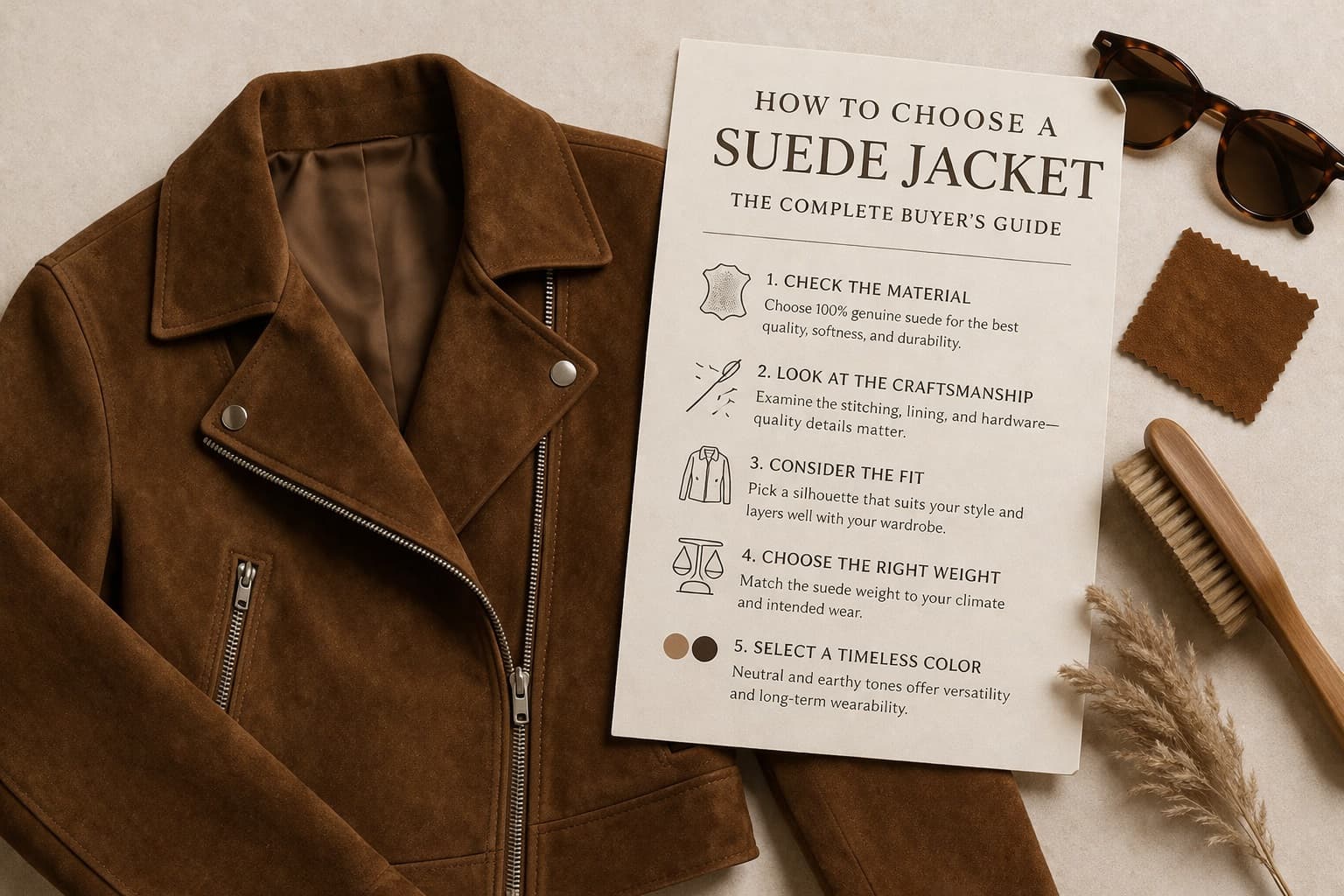
Choosing a suede jacket is a decision that blends personal style with practical knowledge. Unlike buying a cotton top or even a wool coat, suede involves understanding leather quality, tanning methods, colour behaviour, and construction - each of which has a direct impact on how the jacket looks, feels, and ages over the years you will own it.
Step 1: Understand Suede Quality Grades
Suede is the inner surface of animal hide, brushed to create a soft nap. The quality varies enormously depending on the source. Goatskin produces the finest suede for jackets - lightweight, supple, with a tight, even nap and excellent tensile strength. Lambskin is softer still but less durable. Pigskin and cowhide suede are heavier and coarser, generally better suited to accessories or rugged outerwear.
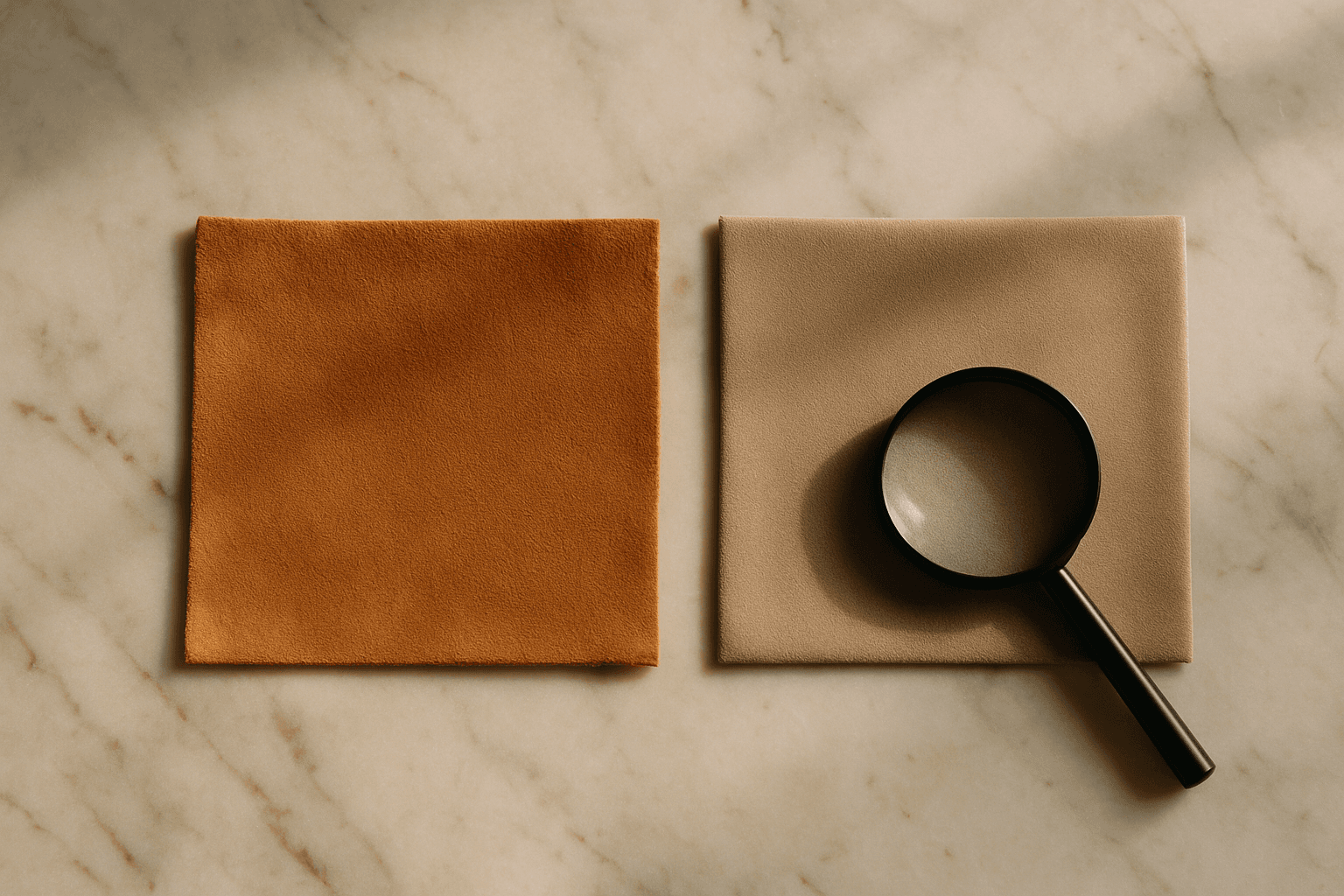
When examining a jacket, run your finger across the surface: premium suede springs back uniformly, while lower-quality hides may show uneven nap direction, thin spots, or a slightly papery feel. If possible, check whether the brand specifies the hide type - transparency about material sourcing is a strong quality signal.
Step 2: Evaluate Construction and Finishing
Construction separates a well-made suede jacket from a disposable one. Key details to inspect:
- Seam finishing - Are seams clean and flat, without fraying edges? French seams or bound seams indicate higher craftsmanship.
- Lining - A full lining in silk, cupro, or premium viscose protects the suede from the inside and improves drape. Unlined suede jackets are acceptable in casual styles but offer less longevity.
- Hardware - Branded zippers (YKK, Riri, Lampo), real horn buttons, and metal snaps cost more to manufacture and last significantly longer than plastic alternatives.
- Edge treatment - Look at pocket openings, cuffs, and the hem. Quality jackets will show finished or turned edges; cheap ones may have raw-cut suede that curls over time.
Step 3: Choose the Right Colour
Colour in suede behaves differently from colour in fabric. The nap catches light at different angles, which gives suede a distinctive depth and richness, but also means that some colours look dramatically different in natural versus artificial light.
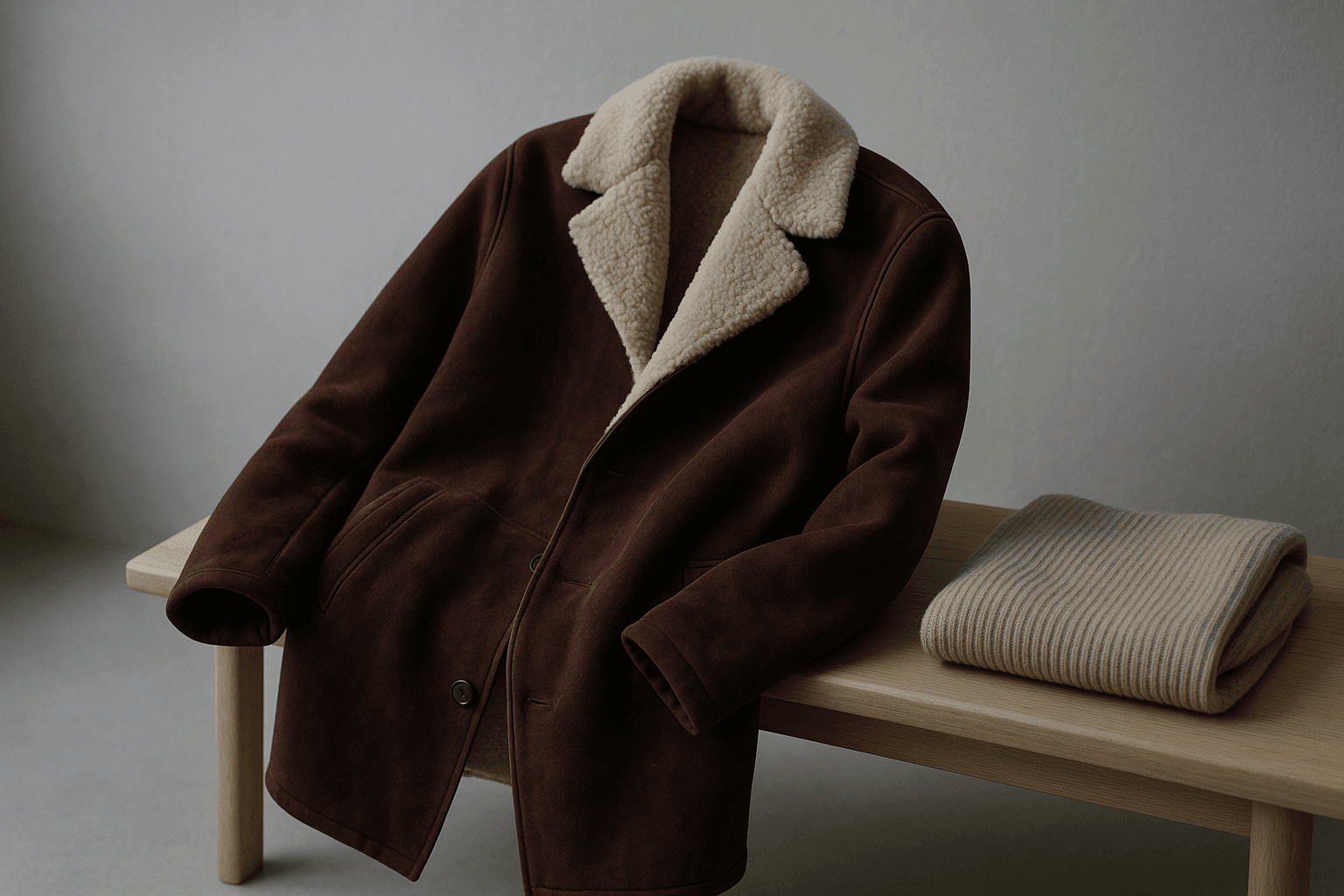
Neutral browns and tans are the safest first-jacket choices - they pair with the widest range of outfits and show the least dirt. Bordeaux and deep olive offer more personality while remaining versatile. Black suede can look stunning but shows dust and wear marks more readily, and lighter shades (cream, sand) require more frequent cleaning.
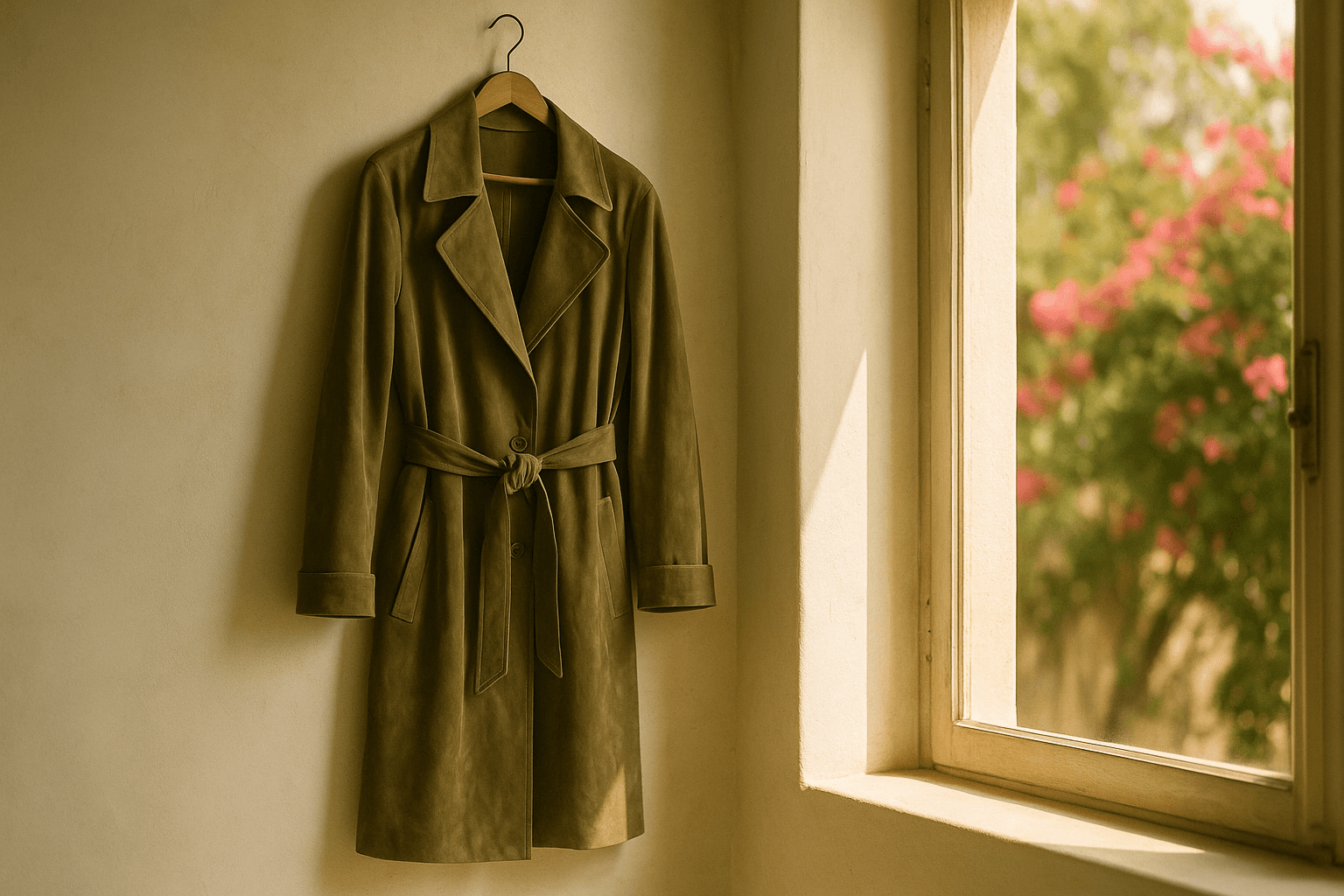
Before committing, try to see your chosen colour both indoors and outdoors if possible. Suede changes character significantly between artificial store lighting and natural daylight. A colour that looks muted on a display rack may come alive in sunlight, and vice versa. This is part of what makes suede such a rewarding material - the depth of colour is genuinely three-dimensional.
Step 4: Get the Fit Right
Suede stretches slightly with wear (typically 0.5-1 cm across the chest and shoulders over the first few months), so a snug initial fit is preferable to a loose one. However, suede does not stretch lengthwise, so sleeve length must be correct from day one. When trying a suede jacket, test it with the layers you plan to wear underneath - a jacket perfect over a silk blouse may feel restrictive over a chunky knit.
Step 5: Consider Cost-Per-Wear
A quality suede jacket typically ranges from €500 to €2,000 depending on the brand, material, and country of manufacture. While this is more than a fast-fashion alternative, the cost-per-wear calculation shifts dramatically when you factor in longevity. A €640 suede jacket worn 100 times costs €6.40 per wear; a €120 synthetic-suede jacket that degrades after 20 wears costs €6 per wear - with none of the beauty, comfort, or satisfaction of real suede.
The Lustré suede jackets (available in Bordeaux and Brun, both at €640) represent the sweet spot: premium goatskin, expert construction, and timeless design at a price point that rewards years of regular wear.
Step 6: Where to Buy
Buying a suede jacket online is increasingly common, but the experience differs from buying in-store. When shopping online, prioritise brands that are transparent about their leather source, offer detailed sizing guides, and have a fair returns policy. High-resolution images showing the suede texture up close are a good sign - if a brand only shows the jacket from a distance, they may be obscuring quality issues.
If you can visit a showroom or stockist, take the time to feel the suede, check the lining, test the zippers, and try it over different base layers. A 15-minute fitting will tell you more about a jacket than an hour of internet research. When buying from Lustre, all products ship with free returns within 14 days, so you can try the jacket at home with your own wardrobe before deciding.
Common Mistakes to Avoid
- Buying too large - suede stretches with wear, so a slightly snug fit on day one is ideal. Sizing up may result in a baggy jacket within weeks.
- Ignoring the lining - an unlined suede jacket wears differently against the skin and ages faster on the interior. Full lining is always preferred for jackets you plan to wear long-term.
- Skipping protection - applying a waterproofing spray before the first wear takes five minutes and can prevent the majority of staining incidents.
- Choosing on price alone - a very cheap suede jacket almost always uses inferior hide, lower-quality hardware, and minimal finishing. The cost-per-wear of a quality jacket is typically lower than a cheap one that needs replacing after two seasons.
Quick Reference: What to Check Before You Buy
| Checkpoint | What to Look For |
|---|---|
| Hide type | Goatskin (best for jackets), lambskin (softest), pigskin (most durable) |
| Nap consistency | Even, uniform texture that springs back when brushed |
| Seam quality | Flat, clean, finished - no fraying or raw edges |
| Lining | Full lining (silk, cupro, or viscose) preferred |
| Hardware | YKK/Riri zippers, real buttons, metal snaps |
| Colour depth | Even dye absorption, rich tones that shift naturally in light |
| Fit | Snug (allows 0.5-1 cm stretch), correct sleeve length |
Frequently Asked Questions
- What type of suede is best for jackets?
Goatskin suede is widely considered the best for jackets. It offers the ideal balance of softness, durability, and lightweight drape. Lambskin is softer but less durable, while pigskin and cowhide are heavier and coarser.
- Should a suede jacket fit tight or loose?
A suede jacket should fit slightly snug when new. Suede stretches approximately 0.5 to 1 cm across the chest and shoulders with wear, so a close fit on day one will relax into a perfect fit within a few weeks.
- How can I tell if a suede jacket is good quality?
Check for an even, uniform nap that springs back when brushed, clean flat seams without fraying, a full silk or cupro lining, branded hardware (YKK or Riri zippers), and transparency from the brand about the hide type used.
- Is it safe to buy a suede jacket online?
Yes, provided you buy from a brand that offers detailed sizing guides, high-resolution texture photos, transparent material information, and a fair returns policy. Try the jacket at home with your own wardrobe before deciding.
- What colour suede jacket is most versatile?
Brown and tan suede jackets are the most versatile, pairing easily with denim, black, cream, navy, and earth tones. Bordeaux is an excellent second choice that adds personality while remaining easy to style across seasons.
Shop the Collection
Every piece is cut from 100% genuine suede and made to be worn for years, not seasons.
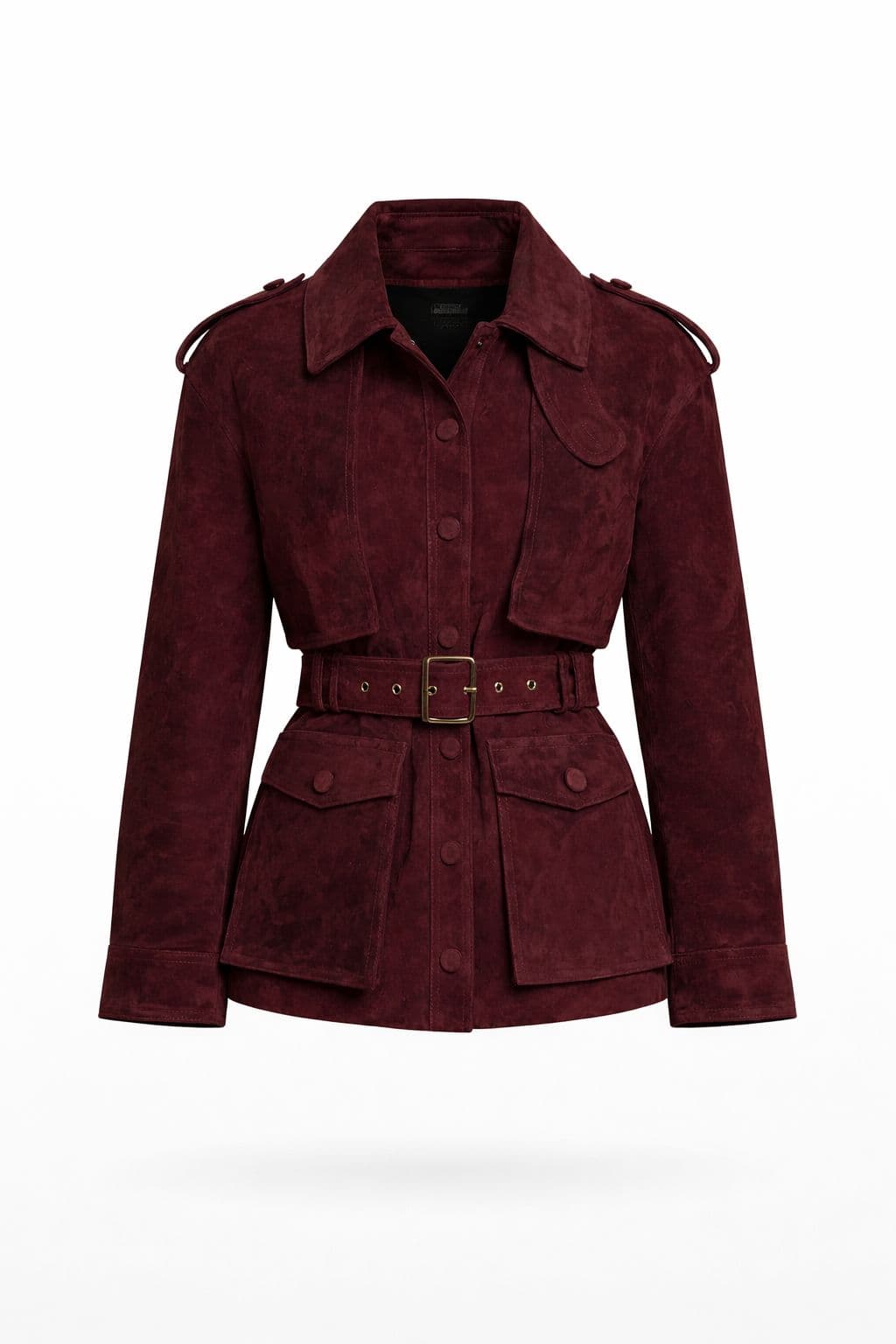
Bordeaux Suede Jacket - 100% Genuine Premium Suede
$700
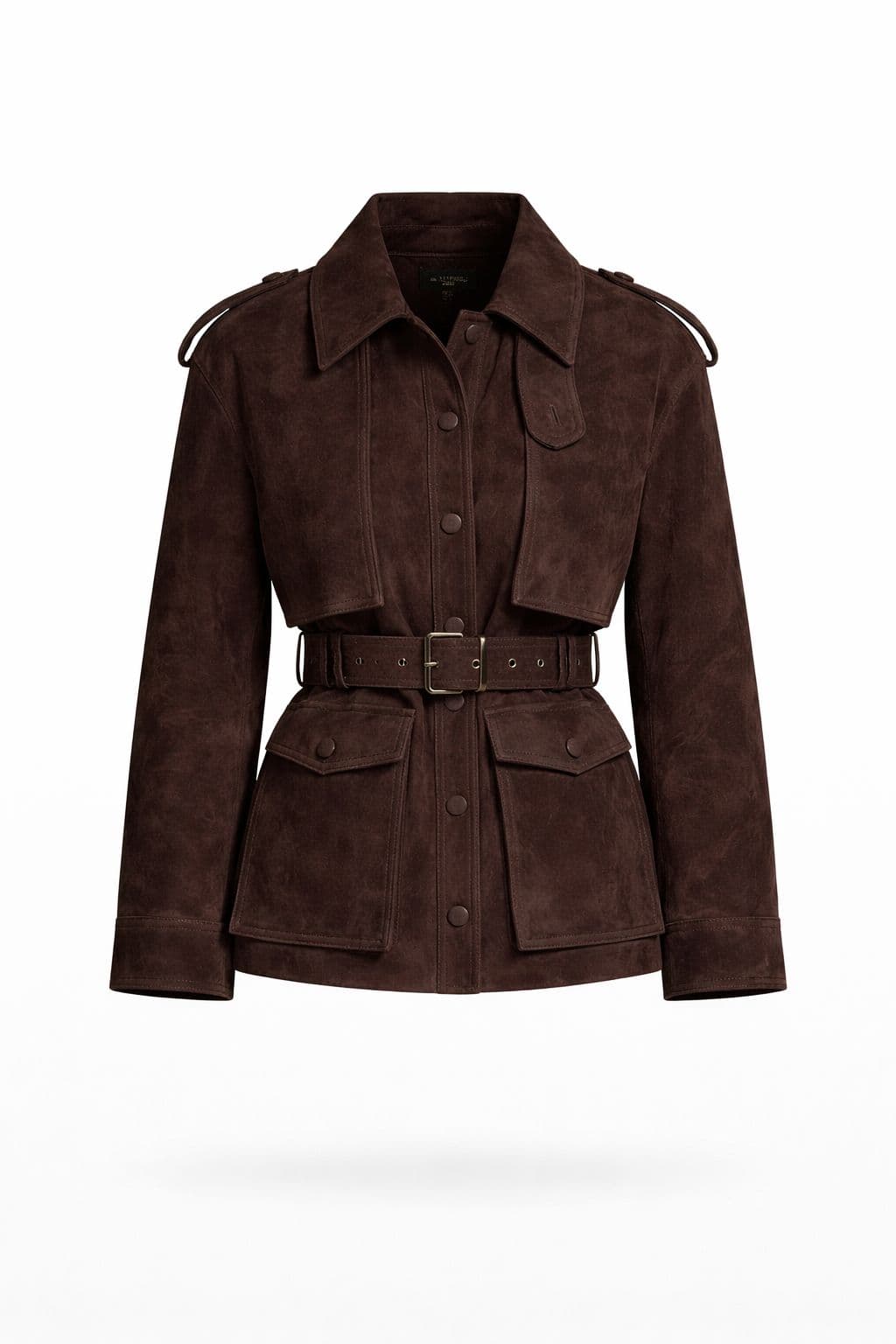
Brun (Brown) Suede Jacket - 100% Genuine Premium Suede
$700
Free shipping on orders above $330.