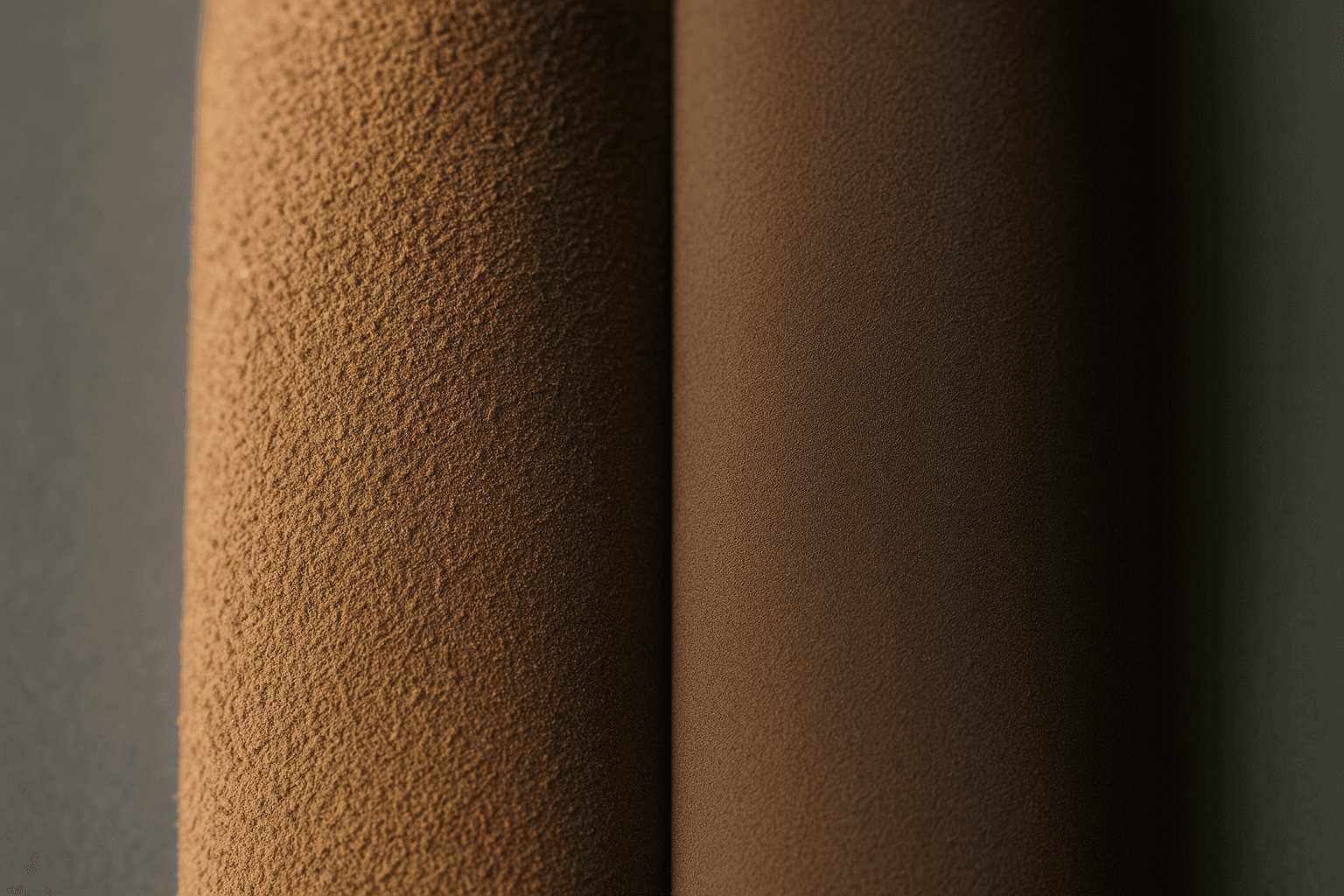
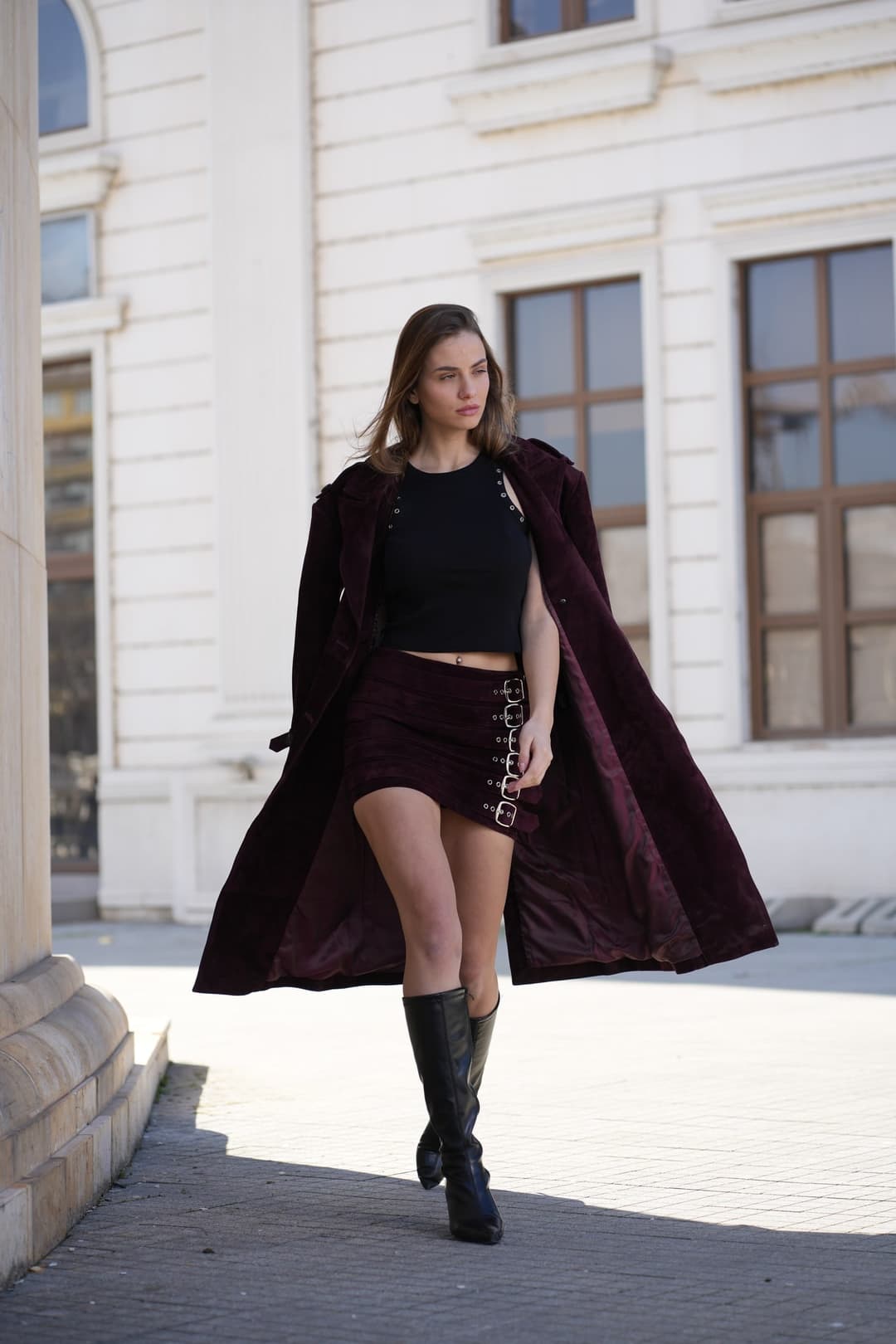
The Suede Coat Lining Guide: Viscose, Silk, Cotton, Quilted, Shearling
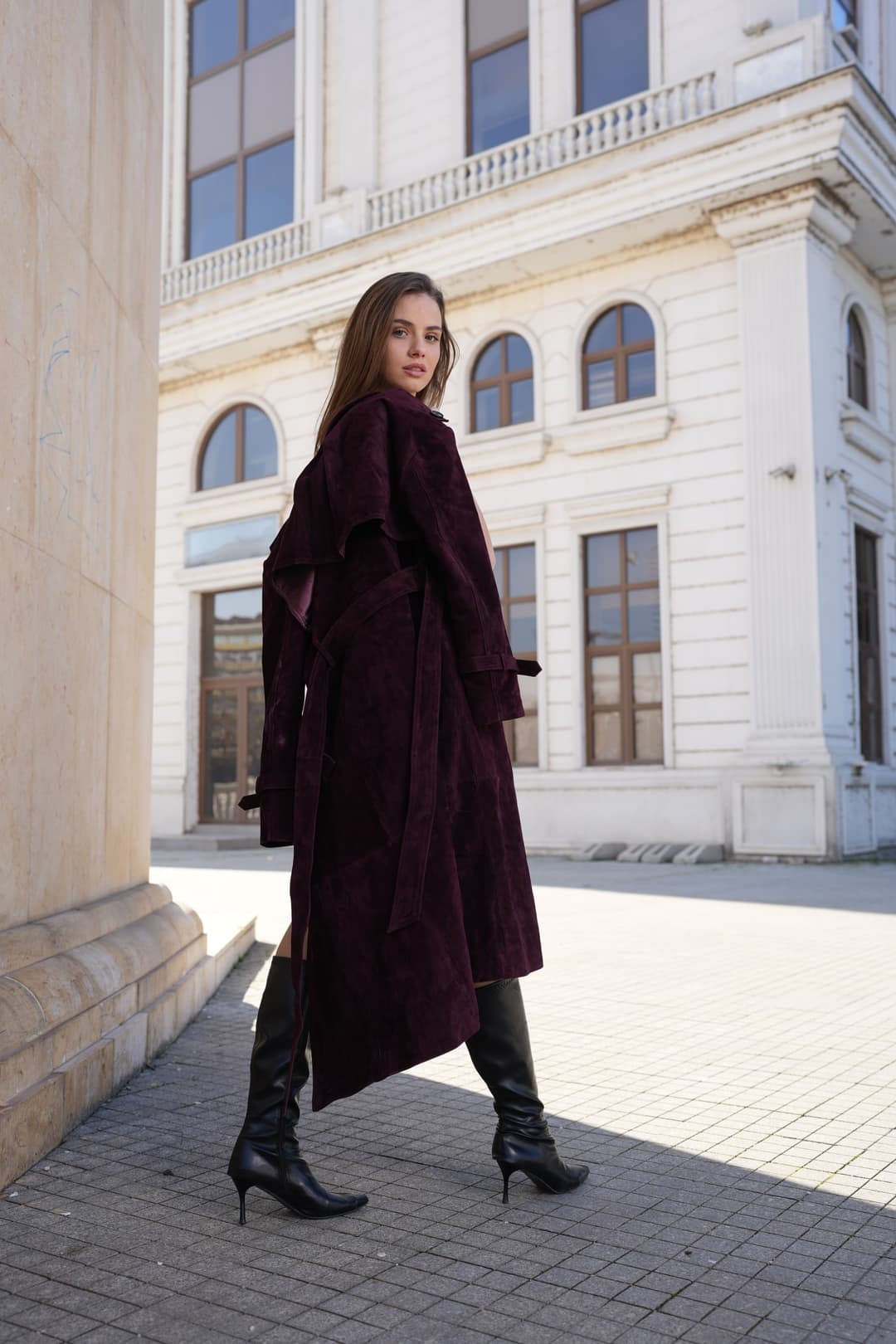
Linings are the half of a suede coat you do not see but feel every time you wear it. They determine warmth, drape, ease of layering, longevity of the suede, and how the coat slides over knitwear. A great suede coat with the wrong lining for your wardrobe will be uncomfortable enough that you stop wearing it. The right lining makes a coat feel inevitable.
What a Lining Actually Does
Beyond aesthetics, a good lining performs five functions:
- Allows the coat to slide on and off over knitwear without dragging or catching.
- Adds warmth - measurably so for thicker linings.
- Protects the inside of the suede from skin oils, sweat, and friction wear.
- Holds the coat's shape - well-constructed linings stabilise the silhouette.
- Hides interior construction (seams, padding, interfacing) for a clean finished look.
The Six Common Suede Coat Linings
1. Viscose / Cupro
Viscose (sometimes branded as cupro or Bemberg) is the standard lining for premium suede outerwear. Smooth, breathable, slides easily over knitwear, drapes well without adding weight.
- Pros: lightweight, breathable, smooth glide, ages well, biodegradable, cost-effective at premium tiers.
- Cons: minimal added warmth, can wear thin at high-friction points after many years.
- Best for: spring/autumn coats, daily-wear silhouettes, mild winters, layering over knitwear.
2. Silk
Silk lining is the luxurious upgrade over viscose. Slightly warmer, slightly more breathable, more delicate, and significantly more expensive.
- Pros: exceptional hand, the most beautiful slide over knitwear, slight thermoregulation (cool in warm weather, warm in cool weather).
- Cons: more vulnerable to wear and snagging, requires specialist cleaning, raises coat price by €100-€300.
- Best for: heritage and very high-end suede coats, evening or smart-casual silhouettes, those who want maximum luxury and accept higher upkeep.
3. Cotton
Cotton linings are warmer than viscose but less smooth. More common in casual or workwear-influenced suede silhouettes.
- Pros: durable, warm, good moisture absorption, hides wear well.
- Cons: drag against knitwear (less smooth glide), heavier than viscose, can wrinkle visibly through the coat.
- Best for: workwear silhouettes, car coats, casual suede outerwear.
4. Quilted Lining (Cotton or Polyester with Insulation)
Quilted linings have an insulation layer (down, synthetic fibre, or polyester batting) sandwiched and stitched between two fabric panels. Significantly warmer than smooth linings.
- Pros: substantial warmth boost, holds shape, suitable for cold climates, often removable for three-season versatility.
- Cons: adds bulk, makes the coat heavier, less elegant drape, harder to slide over chunky knits.
- Best for: winter coats in genuinely cold climates, structured silhouettes that benefit from added body.
5. Faux Fur Lining
Faux fur linings add visible plushness and warmth, often with the fur turned to the inside but visible at the cuffs and collar.
- Pros: very warm, visually luxurious, no animal sourcing concerns.
- Cons: bulkier than other warm linings, can feel synthetic against the skin in lower-quality versions, drag against knitwear.
- Best for: cold-weather statement pieces, casual silhouettes, those wanting a Penny Lane / shearling-coat look without the price.
6. Shearling Lining
Shearling lining is sheepskin with the wool attached, turned to the inside of the coat. The warmest of all suede coat linings and the most expensive.
- Pros: exceptional warmth, naturally moisture-regulating, develops with wear, makes the coat suitable for sub-zero conditions.
- Cons: significantly heavier (a shearling-lined coat can weigh 3-4 kg), much higher price, harder to layer chunky knits underneath because the lining itself is bulky.
- Best for: serious cold-weather coats, structured silhouettes, those wanting a single coat that handles deep winter rather than a layering wardrobe.
How to Choose by Climate and Use
| Climate / season | Daily wear | Statement / occasional |
|---|---|---|
| Mild (10-18°C) | Viscose or unlined | Silk |
| Cool (4-12°C) | Viscose with knit underneath | Silk or quilted |
| Cold (below 4°C, dry) | Quilted or faux fur | Shearling |
| Cold and damp | Cotton or quilted | Avoid suede entirely |
| Travel-heavy lifestyle | Viscose (lightest) | Silk |
How to Inspect a Lining Before Buying
A poorly executed lining is a fast way to spot a poorly built coat. Five things to check:
- Even seam allowance - the lining seams should align with the suede seams, not lie at random angles.
- Bound or French seams inside - raw, fraying seams indicate fast construction.
- No visible bulk at the shoulder, lapel, or hem - the lining should sit flush against the suede without bunching.
- Bartack reinforcement at high-stress points (pocket openings, cuff joins, sleeve seams).
- A floating bottom hem (lining attached only at intervals, not stitched flat to the suede) indicates higher-end construction. Cheap linings are stitched flat all the way around.
Common Lining Mistakes
- Choosing a quilted or shearling-lined coat for a mild climate. The coat will be uncomfortably warm half the time and stay in the closet.
- Choosing an unlined coat for a cold climate. Suede alone is not sufficient warmth below 8°C even in heavyweight hide.
- Ignoring lining feel against the skin. If the lining feels rough or sticky in the shop, it will feel worse after a few wears.
- Picking a lining colour that bleeds. Darker linings on light-coloured suede coats can transfer dye to the inside of the suede with sweat or rain. Reputable brands colour-fasten before assembly.
Frequently Asked Questions
- What is the best lining for a suede coat?
Viscose (cupro) is the most balanced choice for most suede coats - smooth, breathable, lightweight, ages well, cost-effective. Silk is the luxury upgrade. Quilted or shearling are necessary for genuinely cold climates.
- Are unlined suede coats less warm?
Yes, noticeably. An unlined suede coat is suitable for transitional weather (12-20°C) but will feel cold in winter. Linings, even thin viscose ones, add measurable warmth by trapping body heat against the suede.
- Can I add a lining to an unlined suede coat?
Technically yes, but it requires a leather and suede specialist tailor and is expensive (often €200-€400). For most coats it is not worth the cost - choose a lined coat from the start if you need the warmth.
- Why do some premium suede coats use viscose instead of silk?
Viscose performs nearly as well as silk for slide and breathability, costs significantly less, is more durable, and can be machine-stitched without specialist handling. Many premium brands use viscose for working coats and reserve silk for evening or heritage pieces.
- Does a quilted lining make a suede coat look bulky?
Slightly, depending on the quilting density and fill. Light, finely-quilted linings add minimal visible bulk. Heavy quilted linings (down-filled, thick batting) can change the silhouette noticeably. Try the coat on with your typical layering before deciding.
Shop the Collection
Every piece is cut from 100% genuine suede and made to be worn for years, not seasons.
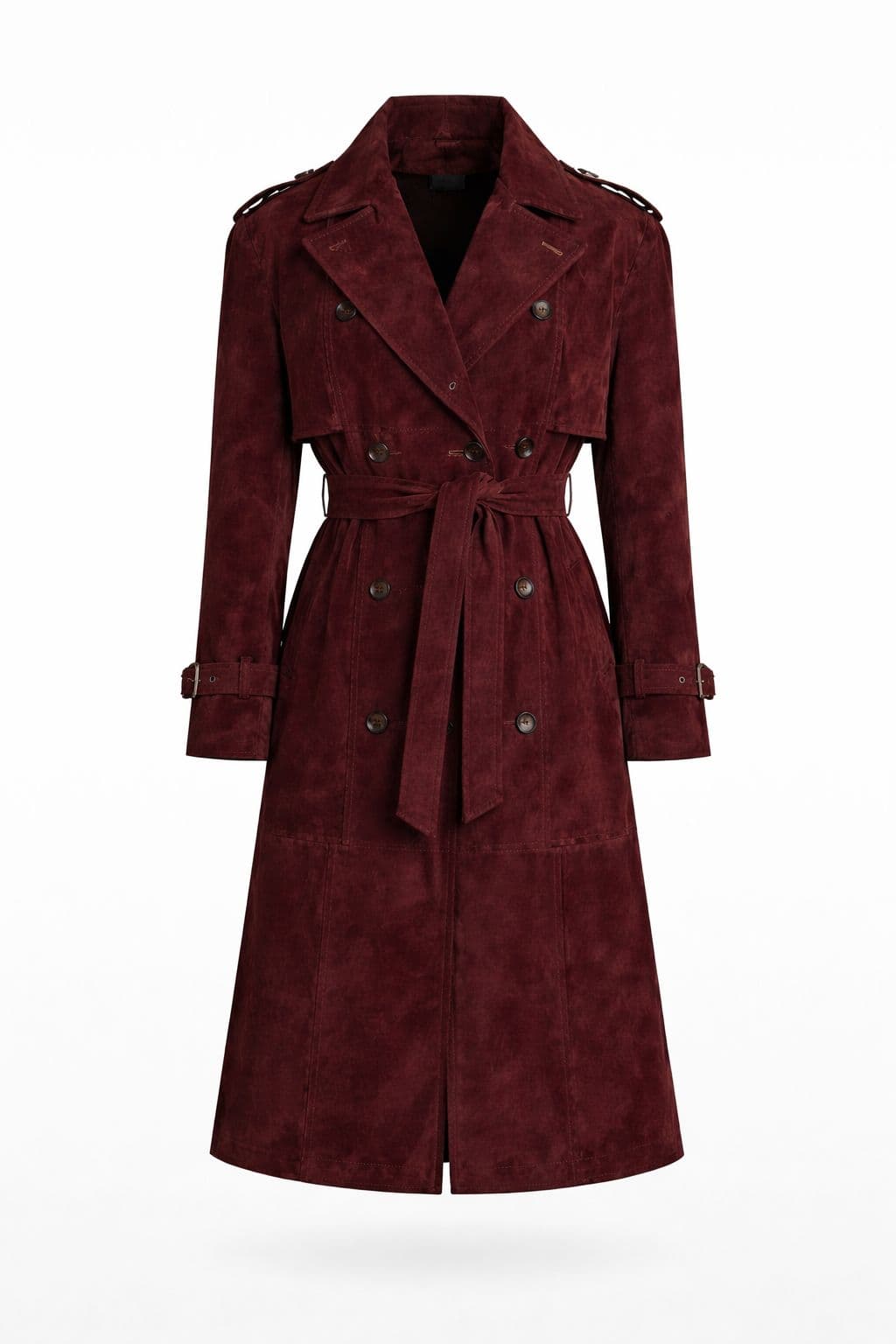
Clémence Bordeaux Suede Coat - 100% Genuine Premium Suede
$920
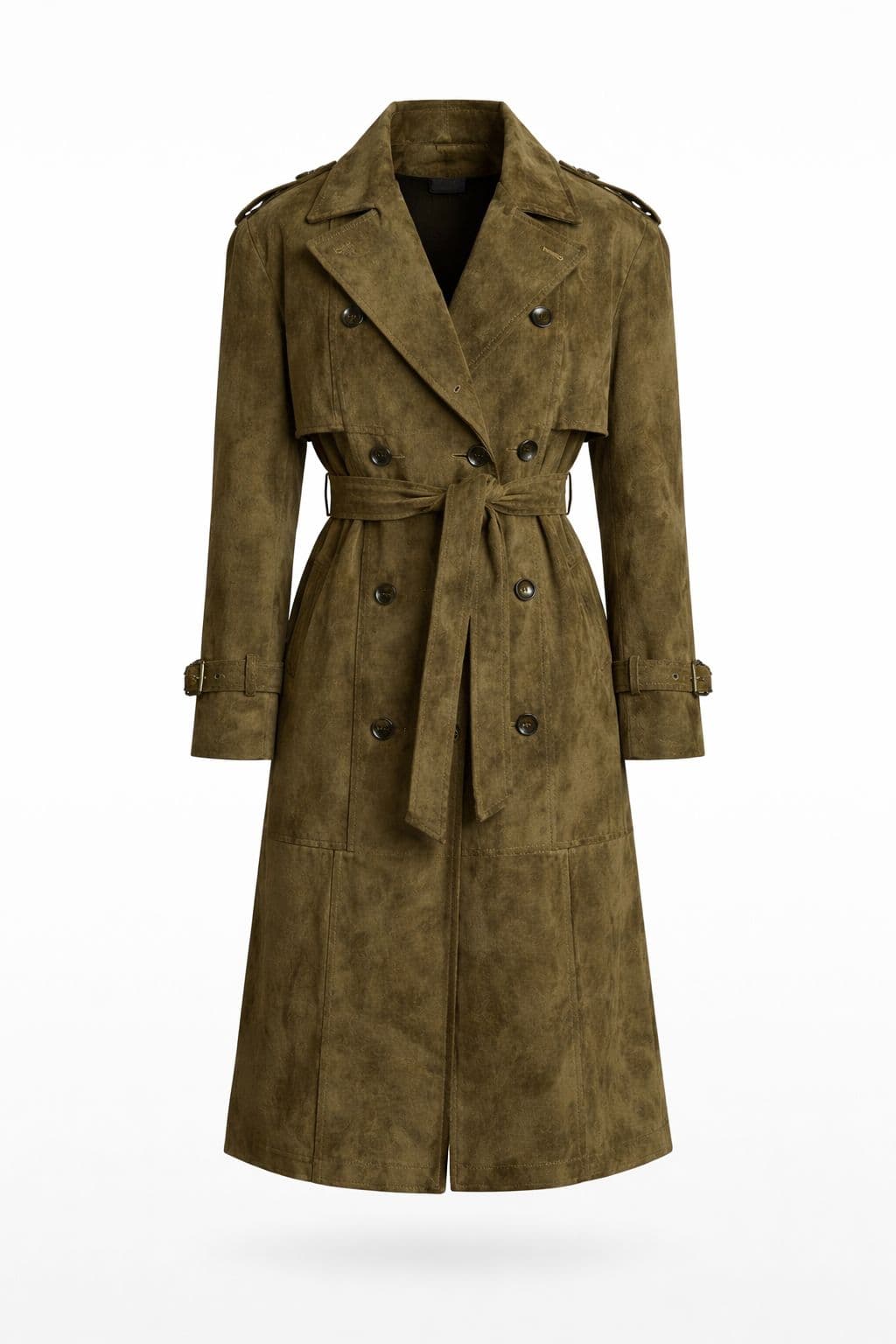
Clémence Olive Suede Coat - 100% Genuine Premium Suede
$920
Free shipping on orders above $330.