Best Suede Coats for Winter 2026: Warmth, Style & Investment Picks
A suede coat in winter is a statement of refined taste. While most people default to wool or down for cold-weather outerwear, suede offers something neither can: a combination of natural insulation, lightweight drape, and visual warmth that transforms even the simplest outfit into something special. Choosing the right suede coat for winter, however, requires thoughtful attention to weight, lining, colour, and construction.
Why Suede Works for Winter
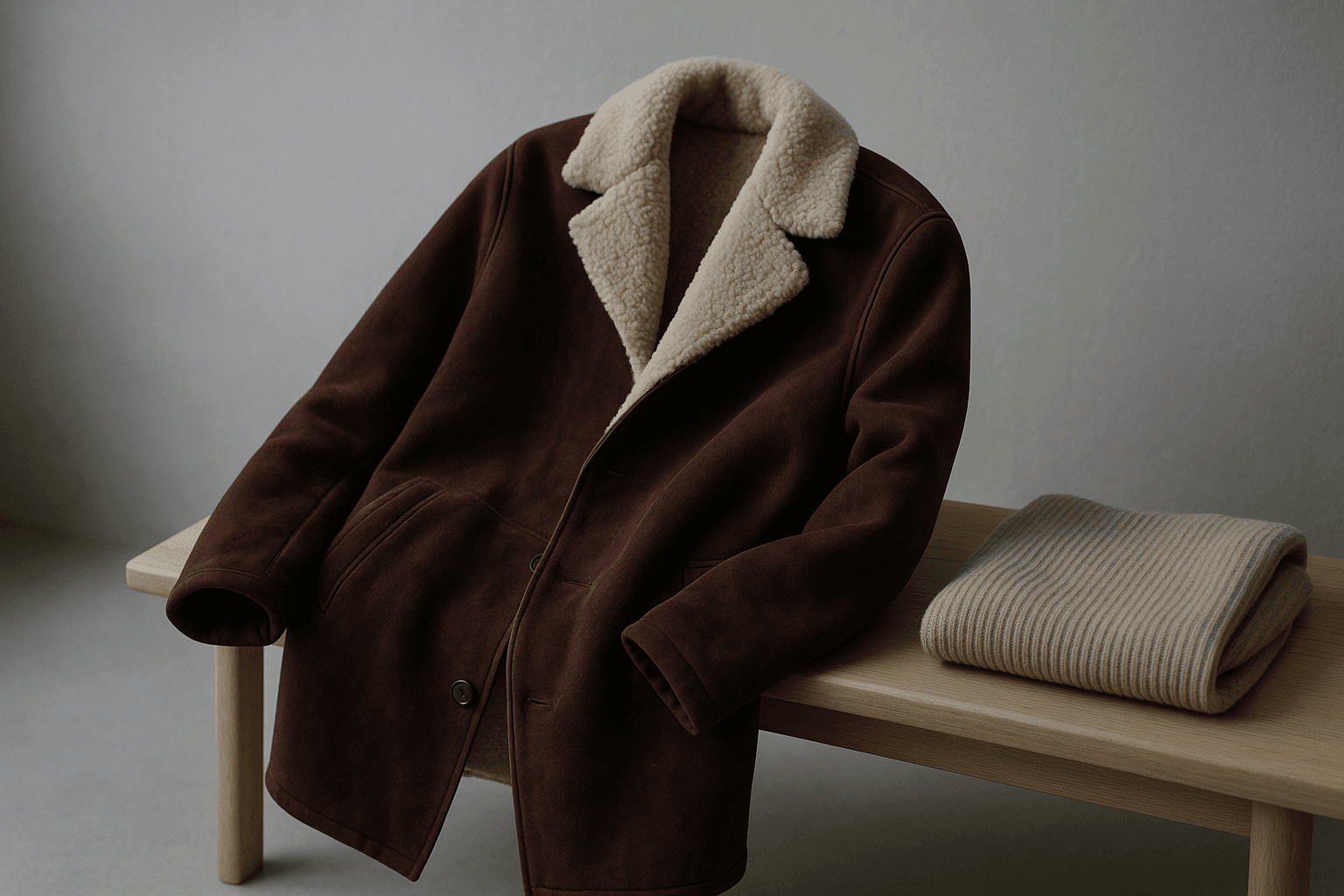
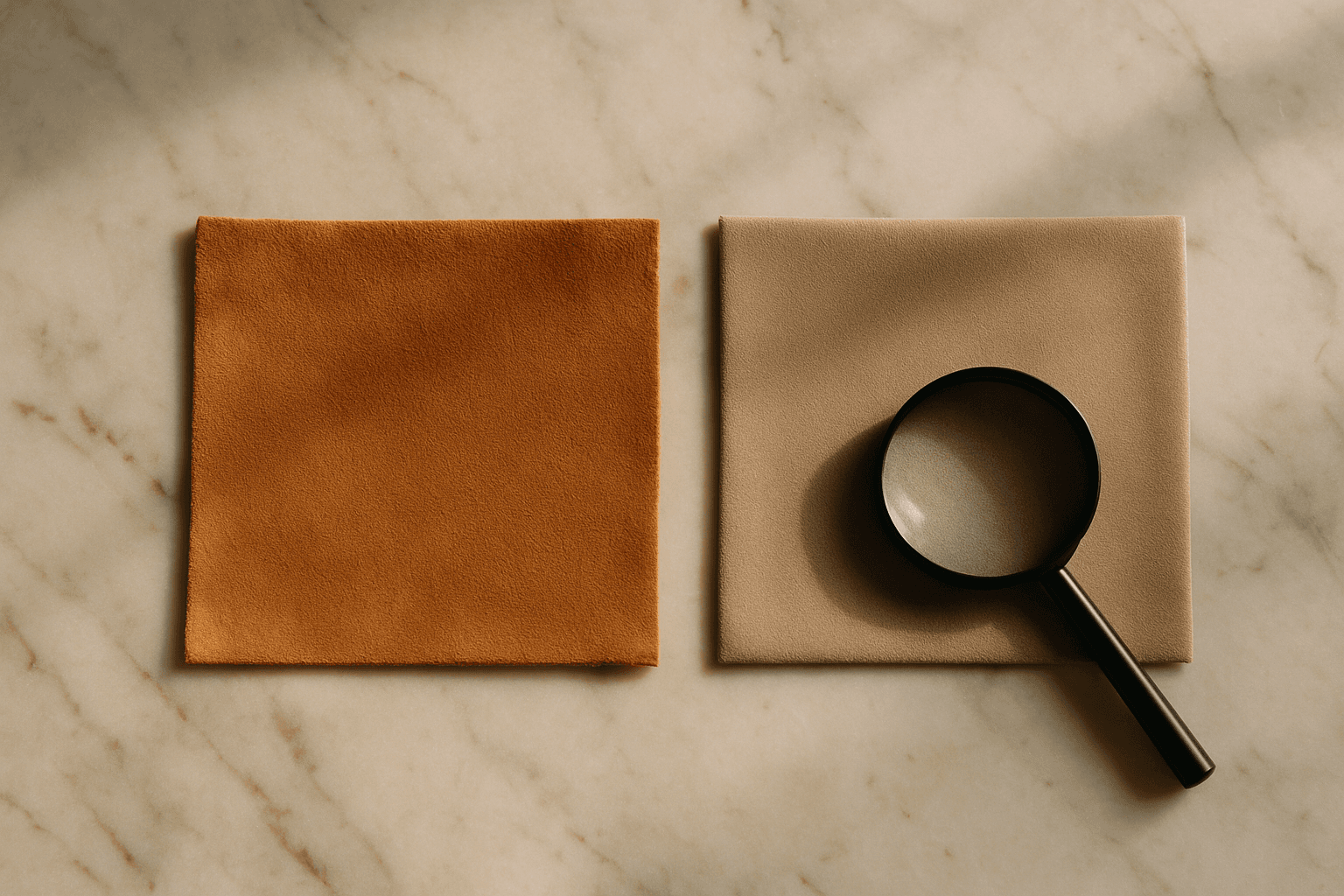
Suede’s open-fibre structure creates natural air pockets that trap body heat, providing warmth without the bulk of a padded coat. A full-length suede trench or three-quarter coat can keep you as warm as a mid-weight wool overcoat while weighing significantly less and offering far more freedom of movement.
The key is pairing suede with the right layers: a cashmere or merino knit underneath, a silk scarf, and the coat’s own lining work together to create a highly effective insulation system. This layered approach also means you can wear the same coat from September through March, adjusting warmth by changing what goes beneath rather than switching outerwear entirely.
What to Look For in a Winter Suede Coat
- Length - A coat that hits mid-thigh or below provides significantly better warmth and wind protection than a hip-length jacket. For true winter performance, look for three-quarter or full-length styles.
- Lining - A quality lining (silk, cupro, or satin-weave viscose) adds an insulation layer and protects the suede’s interior. Some winter-focused suede coats include a removable down or wool liner for the coldest days.
- Closure - A belted or double-breasted closure seals heat better than an open front. Look for deep lapels that can be turned up against wind.
- Colour - Deeper tones (bordeaux, espresso, olive, midnight blue) hide winter splashes and road mist more effectively than lighter shades, extending the time between cleanings.
Our Top Picks for Winter
Lustré Clémence Bordeaux Suede Coat - €840
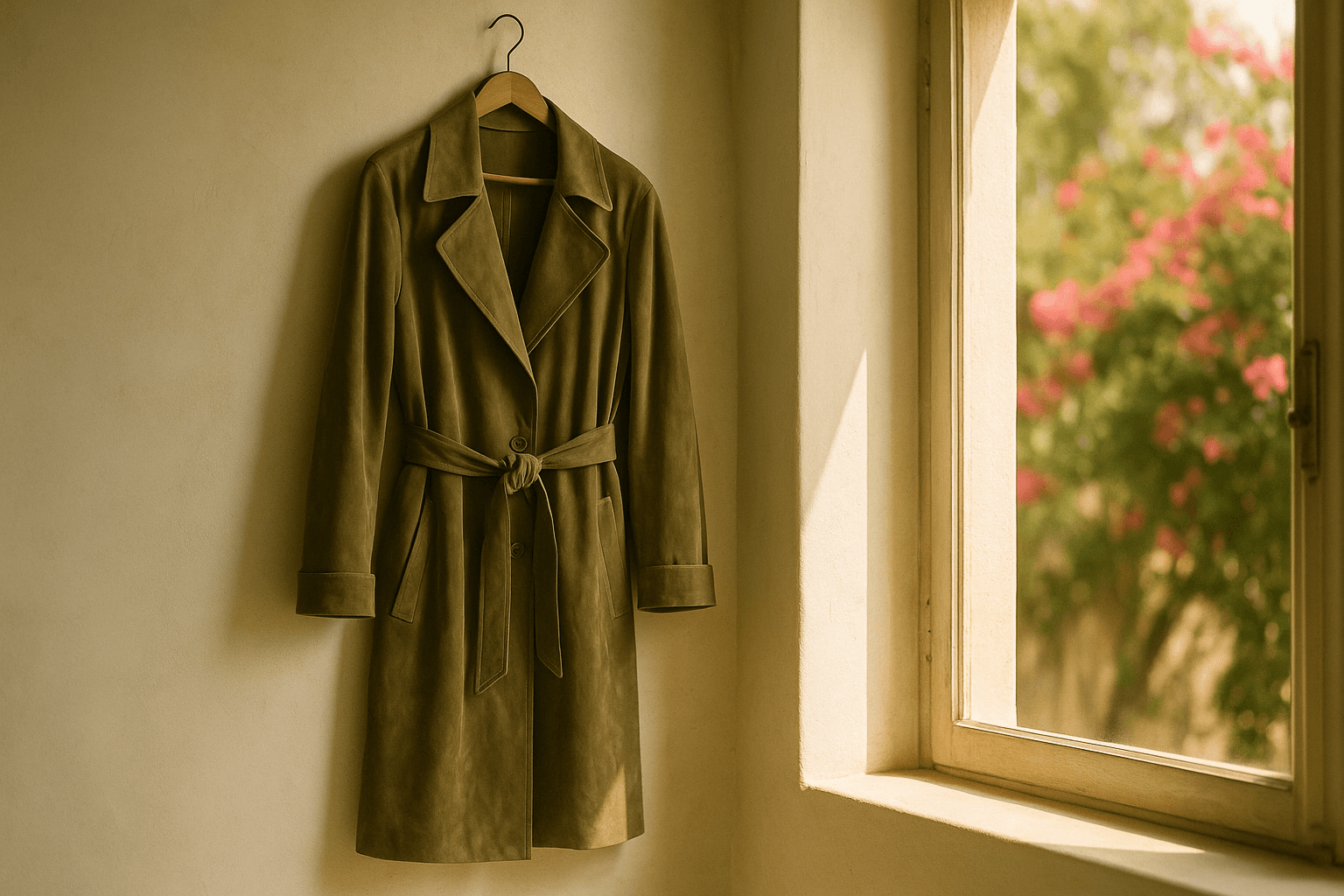
The Clémence in Bordeaux is our signature winter piece. Cut from premium goatskin suede with a belted waist and generous A-line drape, it falls to mid-calf and wraps the body in warmth without restricting movement. The deep bordeaux colour is one of the richest in our palette - it lifts dark winter outfits while pairing beautifully with cream, charcoal, and navy.
Lustré Clémence Olive Suede Coat - €840
The Olive Clémence offers the same silhouette and construction in a versatile, earthy green that bridges military and bohemian influences. Olive suede is unusually forgiving in winter conditions - it hides minor marks well and pairs naturally with the season's colour palette of browns, blacks, and tans. An excellent choice for someone who wants a statement coat without bordeaux's intensity.
Layering Strategies for Cold Weather
The secret to wearing suede comfortably in winter lies in strategic layering rather than relying on the coat alone. Start with a merino wool or silk thermal base layer for core warmth. Add a mid-weight cashmere knit or fine wool jumper. The suede coat then serves as the outer shell, trapping the warm air created by the layers beneath.
This system is remarkably effective because suede's open fibre structure acts as a natural insulator - the napped surface creates thousands of tiny air pockets that retain body heat. Combined with quality layers underneath, a suede coat performs comparably to a mid-weight wool coat while feeling lighter and more comfortable to wear throughout a long day.
Winter Care Essentials
Winter brings specific challenges for suede: rain, sleet, road salt, and the occasional snow shower. Preparation is straightforward but essential:
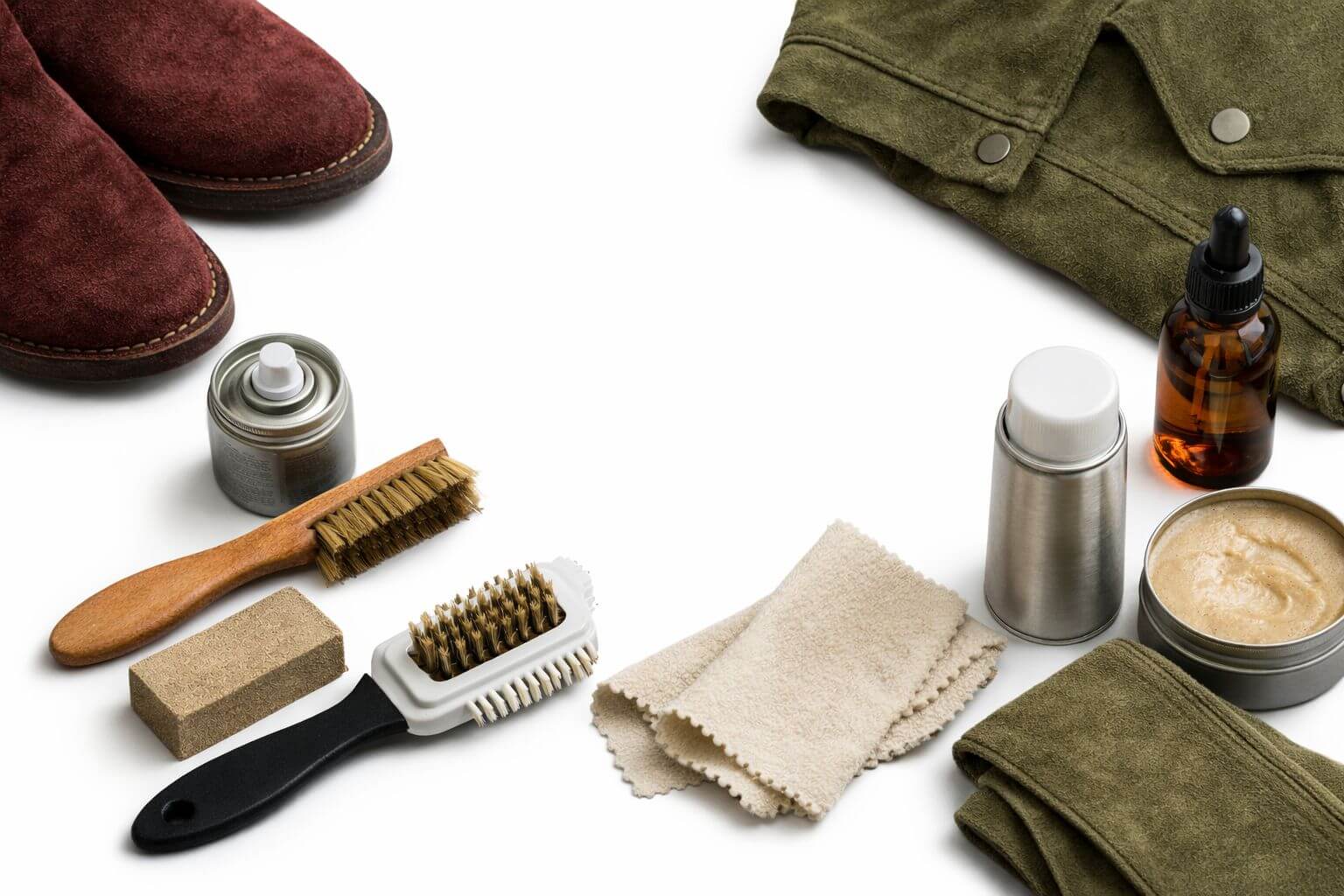
- Apply waterproofing spray before the first winter wear and reapply monthly during the season.
- Brush the coat after every outing to remove salt residue and moisture before it sets.
- If the coat gets significantly wet, hang it on a padded hanger in a well-ventilated room and let it dry fully at room temperature - never use a radiator or hair dryer.
- Once winter ends, have the coat professionally cleaned if needed, then store it in a breathable garment bag with cedar inserts to repel moths.
Styling Your Winter Suede Coat
A winter suede coat performs best as the anchor of a layered outfit. Pair the Bordeaux Clémence with black cashmere, a silk scarf, and knee-high leather boots for city elegance. Or dress the Olive Clémence over a cream cable-knit, raw denim, and suede ankle boots for relaxed weekend warmth. In both cases, the coat does the heavy lifting - transforming simple layers into a polished, considered look.
For formal winter events - theatre, dinner parties, holiday gatherings - a suede coat worn over a tailored dress or silk blouse with heeled boots creates an entrance. The coat's texture catches candlelight and indoor lighting beautifully, giving it a visual warmth that wool and synthetic outerwear simply cannot match. This is where suede truly excels: it turns practical outerwear into a style statement.
Is Suede Practical for Cold Climates?
The short answer is yes, with one caveat: you need to be mindful of heavy, sustained rain or sleet. In dry cold, suede performs excellently - it insulates well, breathes to prevent overheating indoors, and the material actually maintains its softness in cold temperatures, unlike some synthetic fabrics that stiffen. For cities with cold but relatively dry winters (Paris, Madrid, Milan, most of central Europe), suede is an ideal winter coat material.
For wetter climates, protective spray is essential, and having an umbrella in your bag on questionable days is sensible. Most light rain or snow will not damage pre-treated suede - it is prolonged saturation that causes problems. With basic awareness and a five-minute monthly care routine, suede is far more practical for winter than its delicate reputation suggests.
Explore the full Lustré suede coat collection to find the winter coat that speaks to your style.
Frequently Asked Questions
- Are suede coats warm enough for winter?
Yes. Suede's napped fibre structure creates natural air pockets that trap body heat effectively. When layered over cashmere or merino wool, a suede coat provides comparable warmth to a mid-weight wool overcoat while being lighter and more comfortable.
- How do I protect a suede coat in winter?
Apply a waterproofing spray before the first winter wear and reapply monthly. Brush the coat after every outing to remove salt residue and moisture. If the coat gets wet, hang it on a padded hanger and let it dry at room temperature - never use a radiator or hairdryer.
- What colour suede coat is best for winter?
Deeper tones like bordeaux, espresso, olive, and midnight blue are ideal for winter. They hide winter splashes and road mist more effectively than lighter shades, reducing the frequency of cleaning while looking rich and elegant against winter outfits.
- Can I wear a suede coat in snow?
Light snow will not damage pre-treated suede. Brush off any snow before it melts and soaks into the material. For heavy, wet snow, consider an alternative outerwear option or carry an umbrella. Consistent protective spray application greatly increases resilience.
- How should I store a suede coat after winter?
Have the coat professionally cleaned if needed, then store it on a padded hanger inside a breathable garment bag with cedar inserts to repel moths. Keep it in a cool, dry place away from direct sunlight. Never store suede in plastic bags.
Climate Suitability Guide
| Climate | Temperature Range | Recommended Weight (g per m squared) | Recommended Lining |
|---|---|---|---|
| Mild winter (Lisbon, Rome) | 5 to 12 degrees C | 350 to 450 | Silk or unlined |
| Cool winter (Paris, Milan) | 0 to 8 degrees C | 450 to 550 | Quilted satin or wool |
| Cold winter (Berlin, Vienna) | Minus 5 to 4 degrees C | 550 to 650 | Shearling or heavy wool |
| Severe winter (Stockholm, Helsinki) | Below minus 5 degrees C | Suede with shearling or layered | Full shearling or removable down |
Shop the Collection
Every piece is cut from 100% genuine suede and made to be worn for years, not seasons.
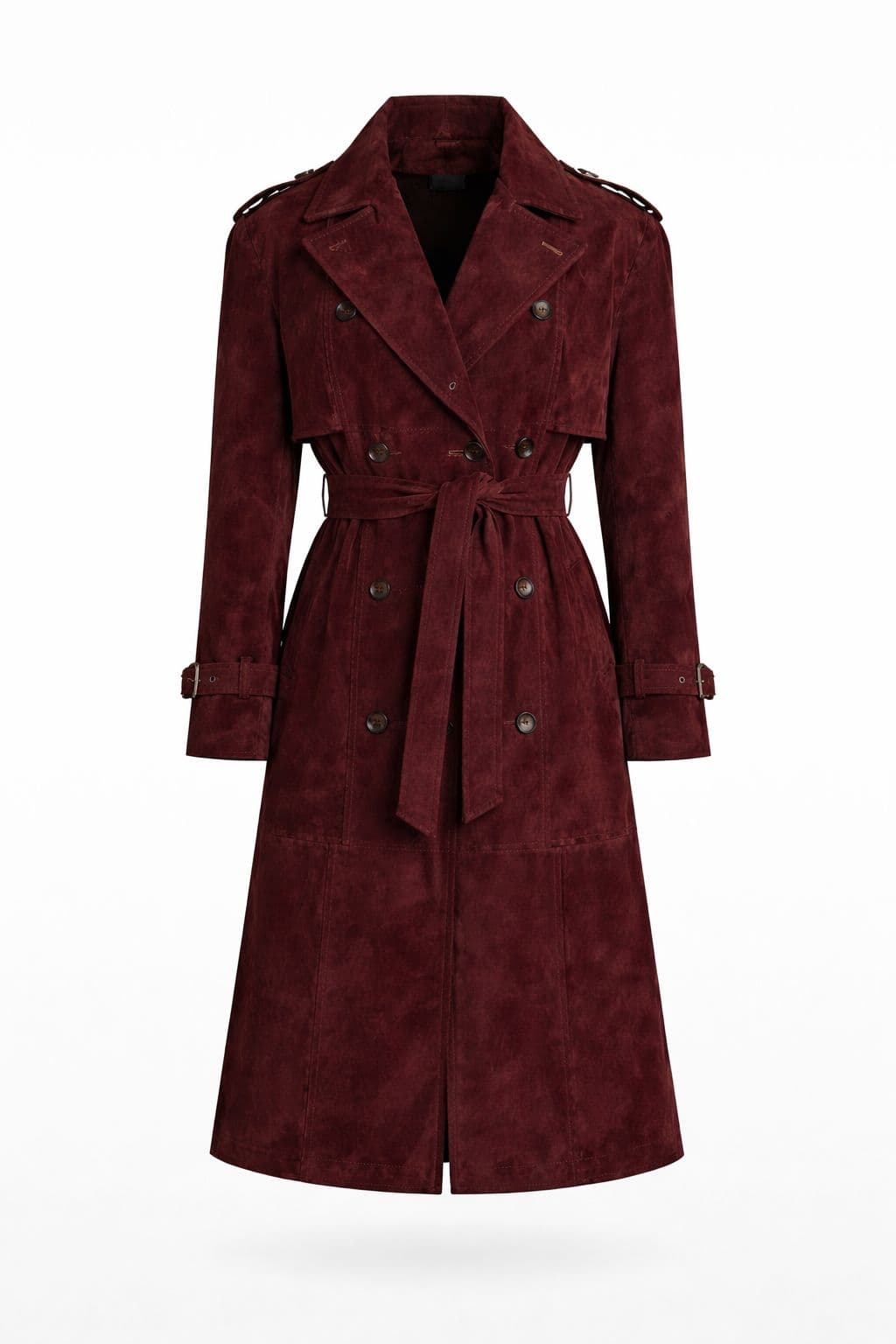
Clémence Bordeaux Suede Coat - 100% Genuine Premium Suede
$920
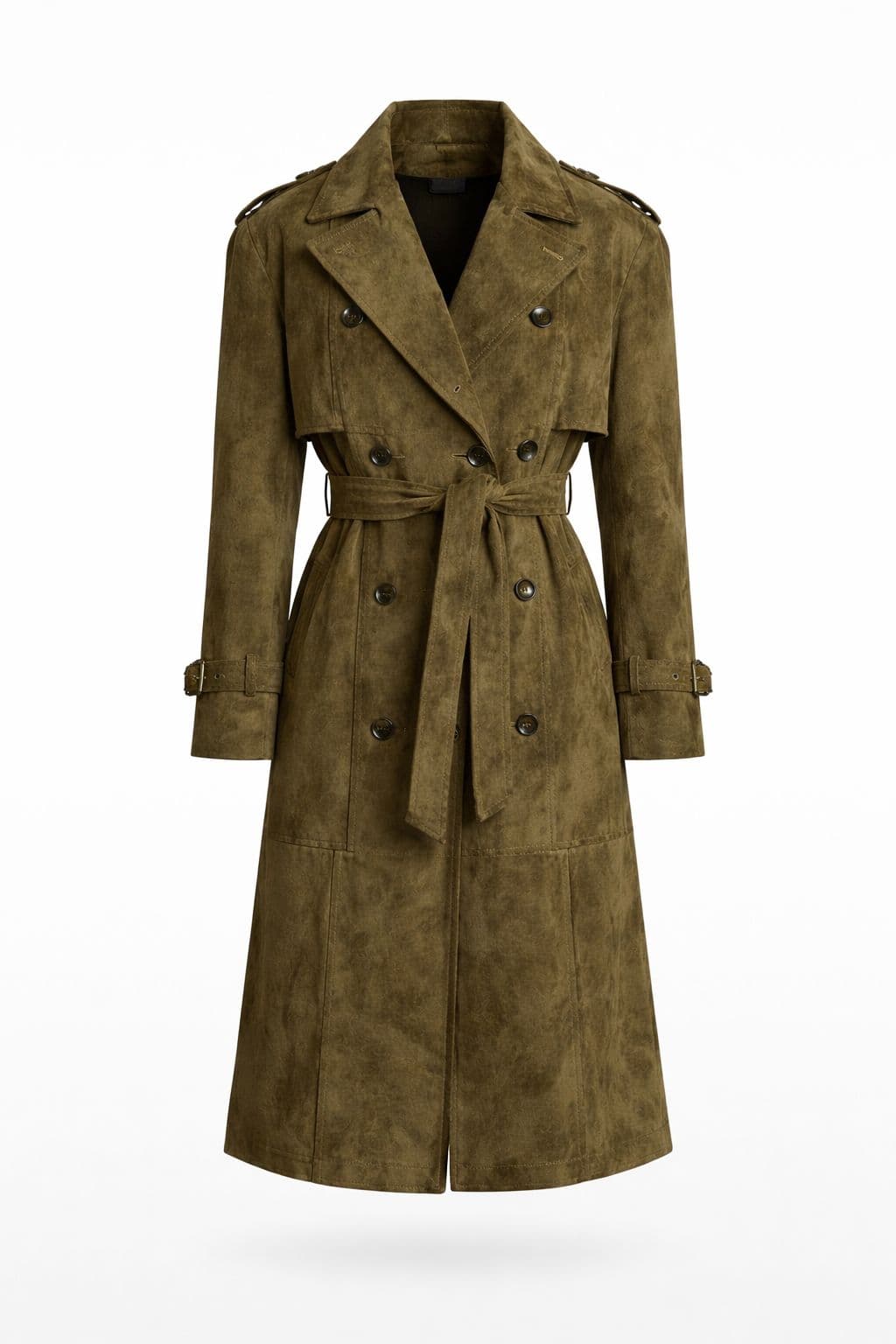
Clémence Olive Suede Coat - 100% Genuine Premium Suede
$920
Free shipping on orders above $330.