Cappotto in camoscio vs cappotto in lana: confronto su calore, peso, stile e durata
Camoscio o lana? È la decisione di acquisto più comune nel capispalla di lusso e quella più spesso presa per istinto piuttosto che con dati. Il confronto onesto: camoscio e lana risolvono problemi diversi, invecchiano in modo diverso e si adattano a stili di vita diversi. Ecco il confronto fianco a fianco, senza marketing.
Confronto rapido
| Caratteristica | Cappotto in camoscio | Cappotto in lana |
|---|---|---|
| Calore | Da moderato ad alto (con fodera) | Da alto a molto alto |
| Peso | Medio | Da medio a pesante |
| Texture | Vellutata, morbida | Liscia o testurizzata (dipende dall'armatura) |
| Cadenza | Fluida, segue il corpo | Strutturata, mantiene la forma |
| Prestazioni con la pioggia | Scarse | Buone (lana trattata eccellenti) |
| Prestazioni con la neve | Scarse | Buone |
| Durata | 10-15 anni (con cura) | 5-10 anni (con cura) |
| Patina | Si sviluppa con l'uso | Si degrada lentamente con l'uso |
| Difficoltà di cura | Moderata | Bassa |
| Formalità | Da smart-casual a elevata | Da casual a formale |
| Prezzo tipico (premium) | 700-1.500 € | 500-2.500 € |
Calore e prestazioni climatiche
I cappotti in lana vincono per il calore puro nelle grammature più pesanti - una melton di lana 100% a 700-900 gsm è difficile da battere sotto lo zero. I cappotti in camoscio con fodere trapuntate o in shearling si avvicinano allo stesso calore ma a costo di peso e cadenza. Per il tempo mite e fresco (4-15°C), il camoscio ben foderato si comporta almeno bene quanto la lana comparabile, con il vantaggio di una migliore traspirabilità.
Per condizioni veramente bagnate o nevose, la lana vince in modo decisivo. La lana trattata respinge facilmente la pioggia leggera e gestisce la neve senza danni permanenti. Il camoscio assorbe l'acqua e sviluppa segni. Vedi la nostra guida cappotto in camoscio sotto la pioggia per la storia completa sul tempo.
Cadenza e linea del corpo
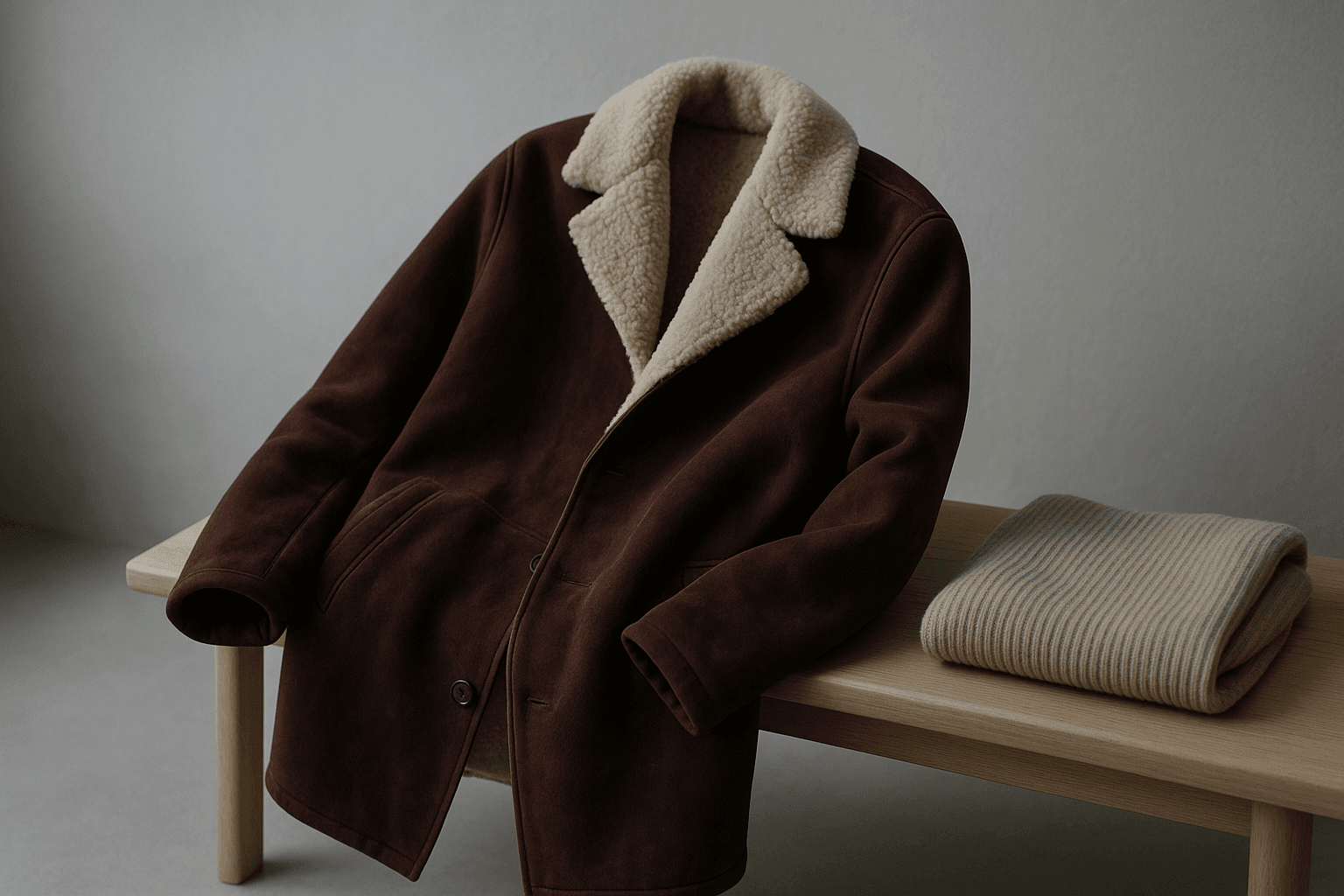
Il camoscio cade in modo più fluido della lana. Segue la linea del corpo e si ammorbidisce con l'uso. La lana mantiene la sua forma di taglio, motivo per cui la sartoria tradizionale usa la lana - la struttura rimane al suo posto. Se questo sia un bene o un male dipende dalla silhouette: un trench attillato beneficia della struttura della lana; un wrap o un duster beneficia della fluidità del camoscio.
Texture e interesse visivo
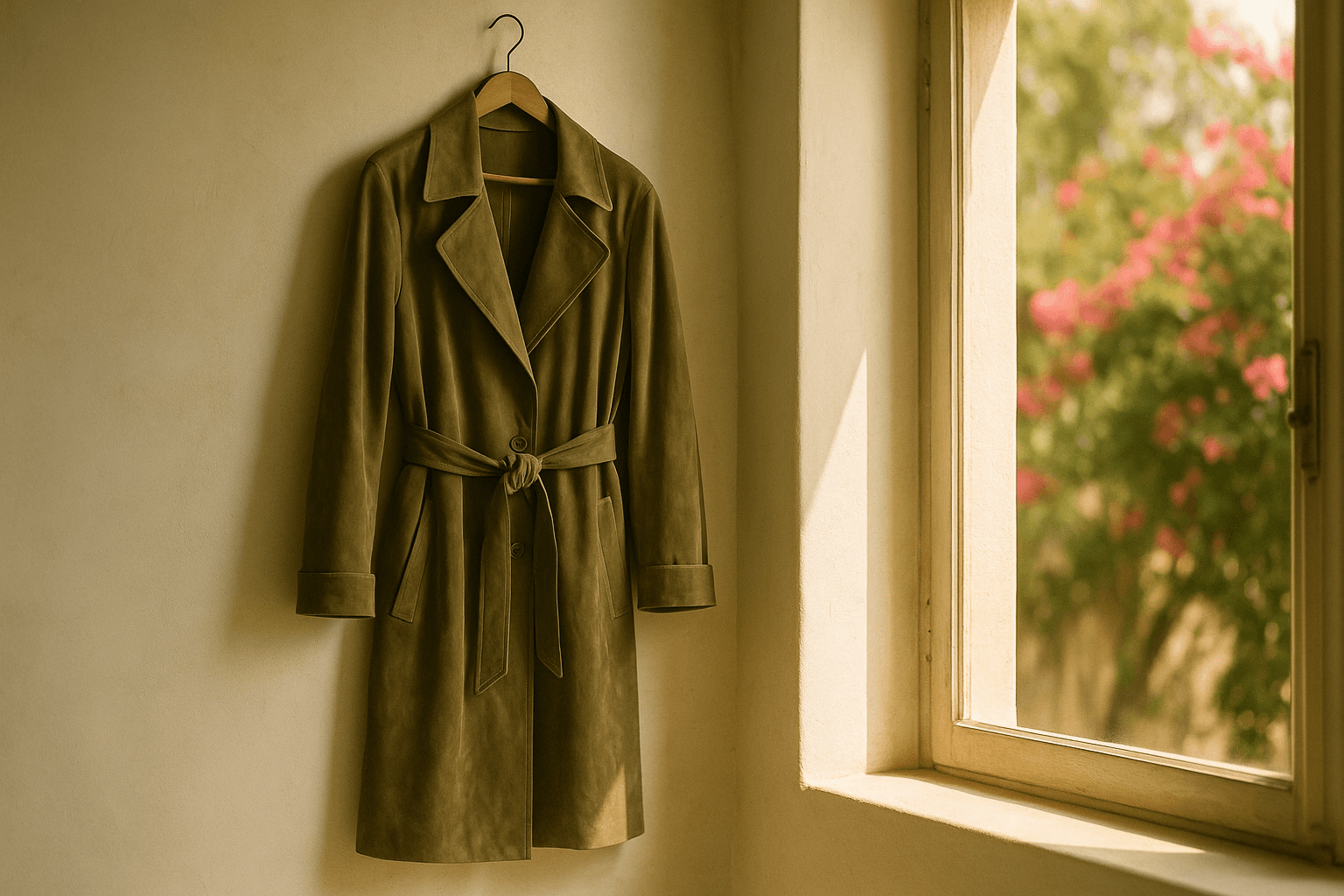
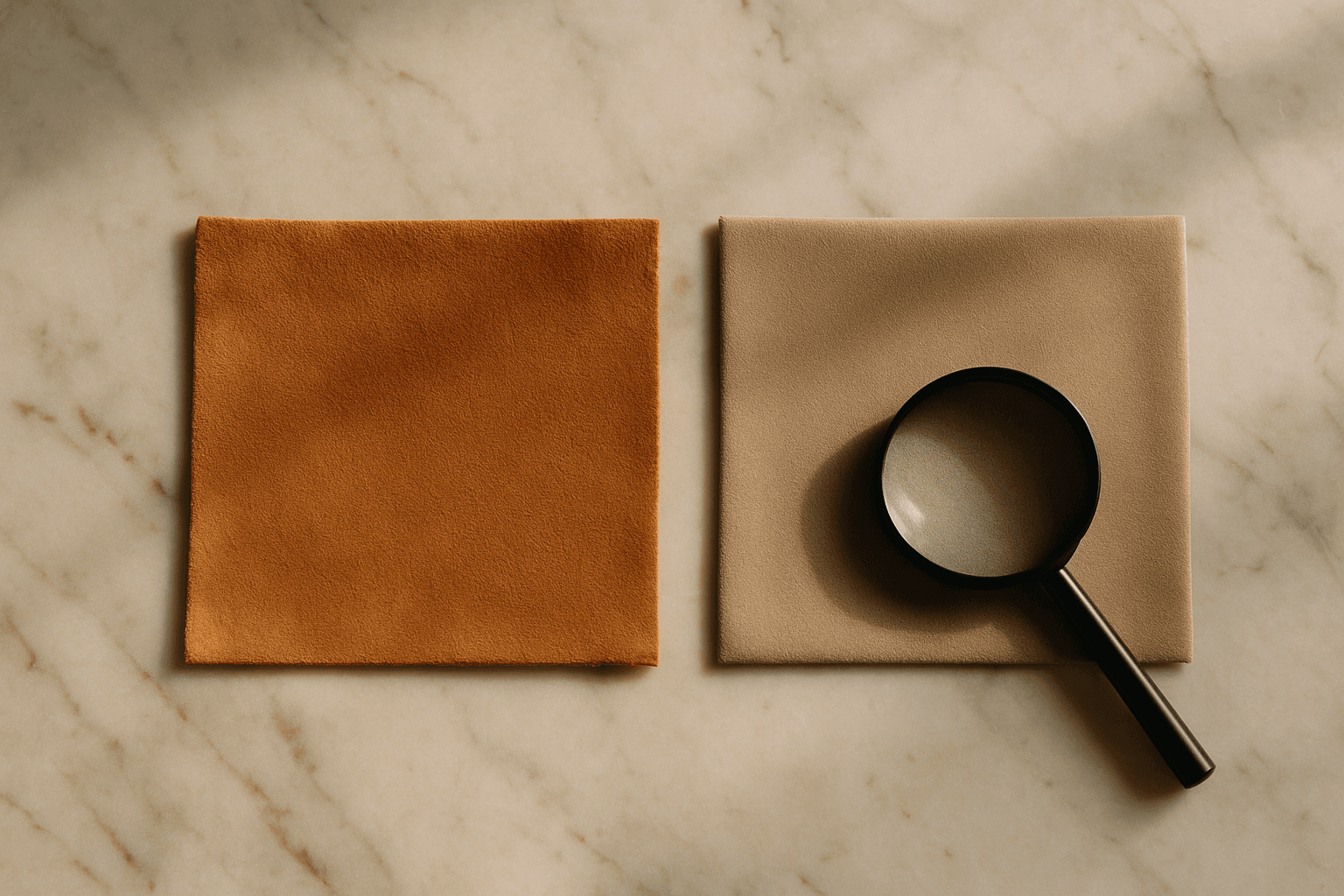
Il camoscio ha un'unica firma visiva - vellutata, che cattura la luce, ricca di profondità. La lana offre più varietà: gabardine liscio, tweed testurizzato, bouclé peloso, cashmere voluminoso, melton tecnico. La lana vince per gamma visiva; il camoscio vince per coerenza e per il look specifico che nessun altro materiale raggiunge.
Durata e invecchiamento
È qui che l'argomento dell'investimento in camoscio è più forte. Un cappotto in camoscio premium, ben curato, dura 10-15 anni e migliora con l'età - il colore si approfondisce, la superficie si ammorbidisce, la patina diventa unica per chi lo indossa. Un cappotto in lana premium dura 5-10 anni prima di mostrare un'usura visibile nei punti ad alto attrito (gomiti, polsini, collo) e perde gradualmente la sua nitidezza originaria. La lana invecchia verso il basso; il camoscio invecchia verso l'alto.
Differenza di cura
La lana vince sulla semplicità di cura. Un cappotto in lana ha bisogno di una pulizia a secco occasionale, di una tamponatura di base delle macchie e di un appendimento corretto - questa è grosso modo l'intera routine di cura. Il camoscio ha bisogno di spazzolatura dopo l'uso, di spray protettivo periodico, di un'attenta evitazione del tempo e di una corretta conservazione fuori stagione. Il sistema di cura del camoscio non è difficile, ma richiede coerenza. Vedi la nostra guida alla cura e conservazione del cappotto in camoscio.
Formalità
La lana copre la gamma di formalità più ampia - da un casual duffel coat a un chesterfield da black-tie. Il camoscio si colloca al centro della gamma: da smart-casual a elevato. I cappotti in camoscio possono assolutamente essere indossati in occasioni formali nella silhouette e nel colore giusti, ma la lana è più versatile per i contesti più formali. Il camoscio supera la lana per le situazioni smart-casual in cui la lana può apparire troppo elegante.
Quando scegliere il camoscio rispetto alla lana
- Vivi in un clima mite o fresco senza pioggia o neve abbondanti.
- Vuoi un cappotto che invecchi bene e sviluppi carattere negli anni.
- Apprezzi la morbidezza e la cadenza più della struttura.
- Possiedi già almeno un capispalla impermeabile per i giorni di brutto tempo.
- Preferisci uno stile smart-casual rispetto a quello formale.
- Sei impegnato nella routine di cura leggermente più articolata.
Quando scegliere la lana rispetto al camoscio
- Il tuo clima ha pioggia, neve o tempo imprevedibile significativi.
- Vuoi il massimo calore (lana pesante, melton, miscele in cashmere).
- Hai bisogno di un cappotto per le occasioni più formali della tua vita.
- Viaggi costantemente e hai bisogno di capispalla che gestisca l'imprevedibile.
- Vuoi una cura a bassa manutenzione.
- Vuoi un cappotto in texture che il camoscio non può offrire (tweed, spina di pesce, bouclé).
Confronto del costo per utilizzo
A parità di qualità e frequenza di utilizzo, il camoscio ha un costo per utilizzo inferiore alla lana su un orizzonte di 10-15 anni, semplicemente perché dura di più. Un cappotto in camoscio da 840 € a 60 utilizzi all'anno per 10 anni costa 1,40 € per utilizzo; un cappotto in lana da 840 € alla stessa frequenza di utilizzo, che dura 7 anni, costa 2,00 € per utilizzo. Entrambi sono economici rispetto al fast fashion, ma il camoscio è leggermente in vantaggio. Vedi la nostra ripartizione completa cappotto in camoscio come pezzo da investimento.
Il guardaroba a due cappotti
La risposta onesta per la maggior parte dei guardaroba è: possiedine uno di ciascuno. Un cappotto in camoscio premium per i giorni di bel tempo, le occasioni smart-casual e gli outfit preferiti. Un cappotto in lana per il tempo veramente freddo, i giorni umidi e le occasioni più formali. Ognuno fa bene i punti deboli dell'altro. I due insieme coprono essenzialmente ogni esigenza di capispalla.
Domande frequenti
- Un cappotto in camoscio è più caldo di un cappotto in lana?
Non a parità di peso. La lana pesante (melton, gabardine a 700+ gsm) è il materiale per capispalla più caldo per grammo. Un cappotto in camoscio ben foderato (fodera trapuntata o in shearling) si avvicina a un calore comparabile, ma un cappotto sottile in camoscio è significativamente meno caldo anche di un cappotto in lana di peso medio.
- La lana è più impermeabile del camoscio?
Sì, in modo significativo. La lana trattata respinge facilmente la pioggia leggera e gestisce la neve senza danni permanenti. Il camoscio assorbe l'acqua e sviluppa segni visibili. Per i climi bagnati o nevosi, la lana è la scelta più sicura.
- Quale dura di più, camoscio o lana?
Il camoscio premium, con cura adeguata, supera tipicamente la lana premium di 3-5 anni. Il camoscio invecchia con la patina; la lana si degrada lentamente nei punti ad alto attrito. Entrambi possono durare oltre un decennio con buone cure.
- Quale è più formale, camoscio o lana?
La lana copre la gamma di formalità più ampia - funziona sia per occasioni casual sia formali. Il camoscio si colloca al centro (da smart-casual a elevato) e può sembrare troppo morbido per i contesti più formali. Per il black-tie o il business formale rigoroso, la lana è la scelta più sicura.
- Un cappotto in camoscio può sostituire un cappotto in lana?
Solo nei climi miti senza pioggia o neve significative. Nei climi più umidi o freddi, camoscio e lana risolvono problemi diversi e la maggior parte dei guardaroba beneficia di possedere uno di ciascuno piuttosto che scegliere tra loro.
Cappotto in camoscio o cappotto in lana? La doppia anima italiana
Nel guardaroba italiano cappotto in camoscio e cappotto in lana convivono pacificamente, occupando ruoli diversi. Il cappotto in lana, dalla tradizione di Loro Piana e Cucinelli, è il capo formale per eccellenza: si porta in ufficio, alla cerimonia, all'occasione importante. Il cappotto in camoscio è invece il capo della vita quotidiana raffinata, perfetto per il pranzo della domenica in famiglia o per la cena con amici.
Dal punto di vista climatico, il cappotto in lana cotta gestisce meglio le piogge e le nebbie del Nord Italia, mentre il camoscio brilla nelle giornate asciutte e fredde. Molte donne milanesi possiedono entrambi e li scelgono guardando il cielo prima di uscire. È un piccolo lusso quotidiano, ma ben coerente con l'idea italiana del vestire bene.
Scopri la collezione
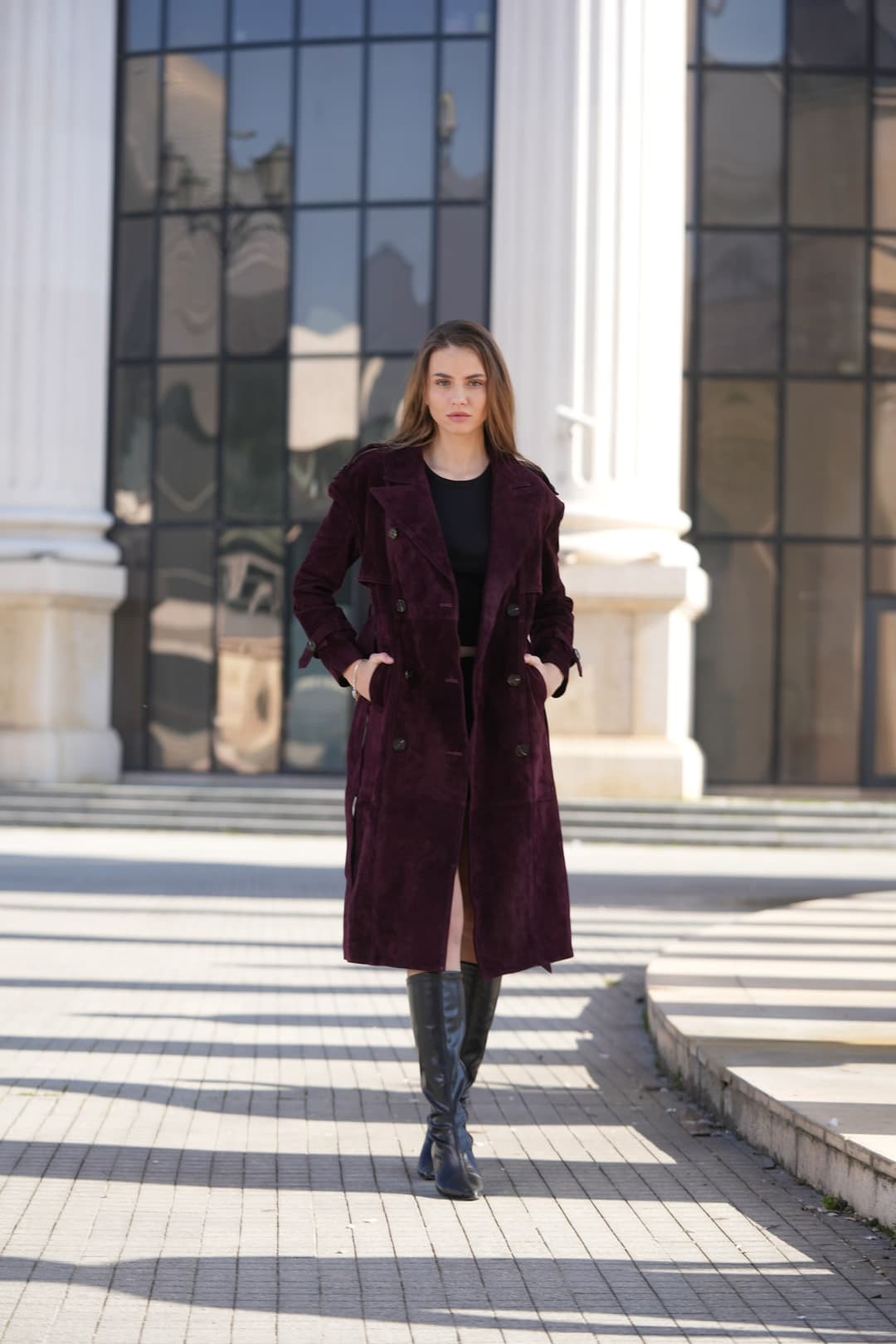
Ogni capo è realizzato in camoscio 100 % autentico, pensato per durare anni, non una stagione.
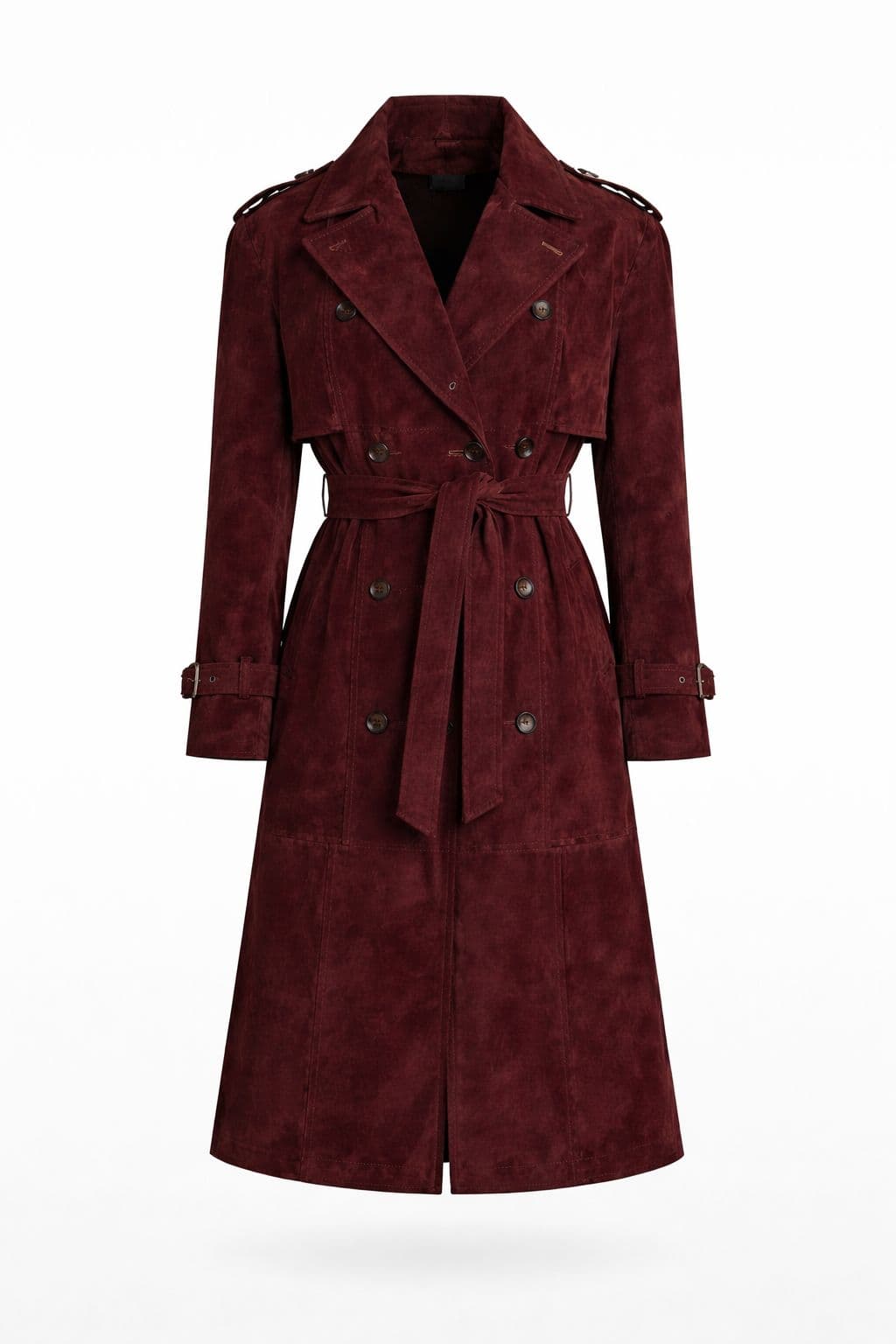
Clémence Bordeaux Suede Coat - 100% Genuine Premium Suede
840 €
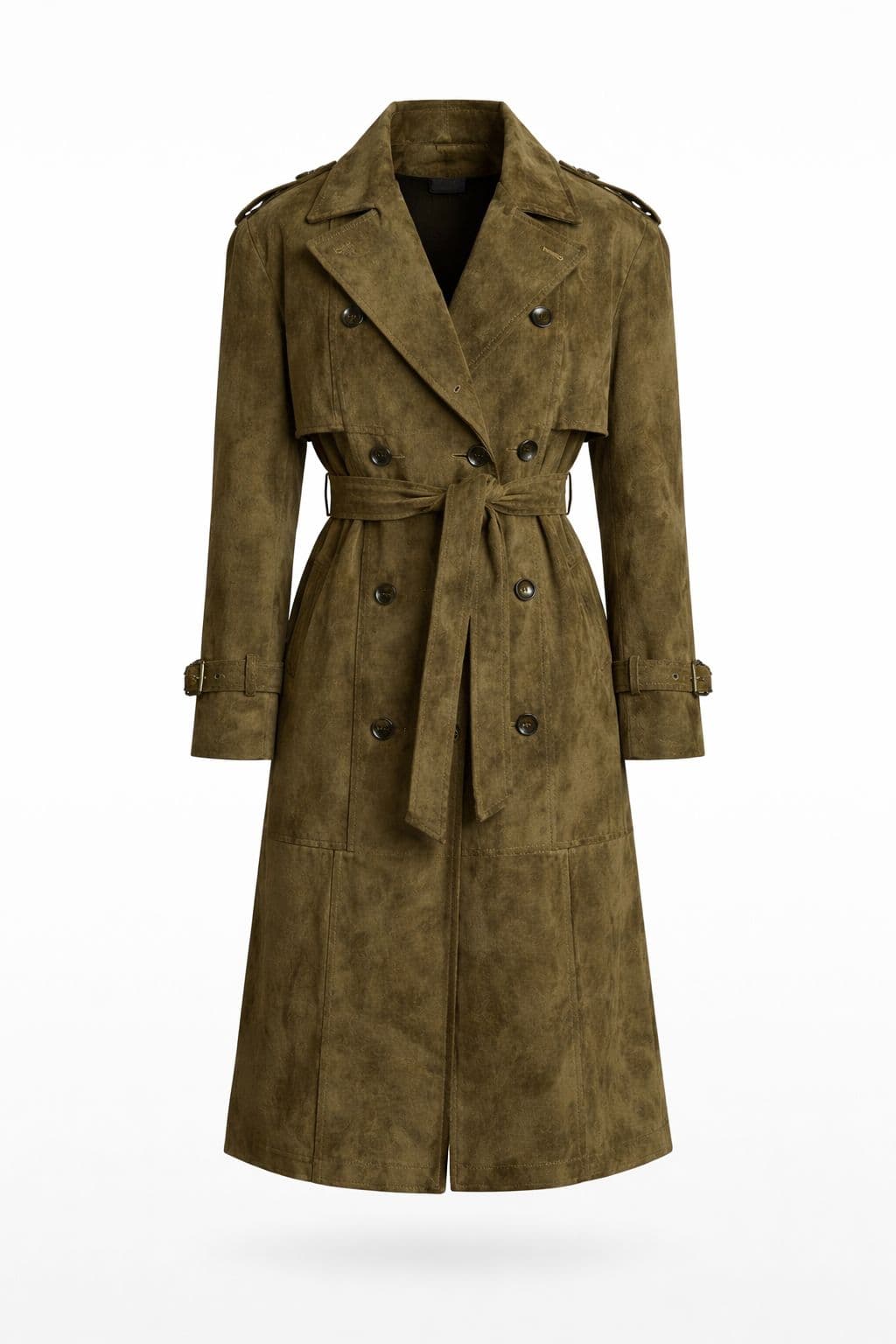
Clémence Olive Suede Coat - 100% Genuine Premium Suede
840 €
Spedizione gratuita per ordini superiori a 300 €.