How to Clean, Protect, and Love Your Suede
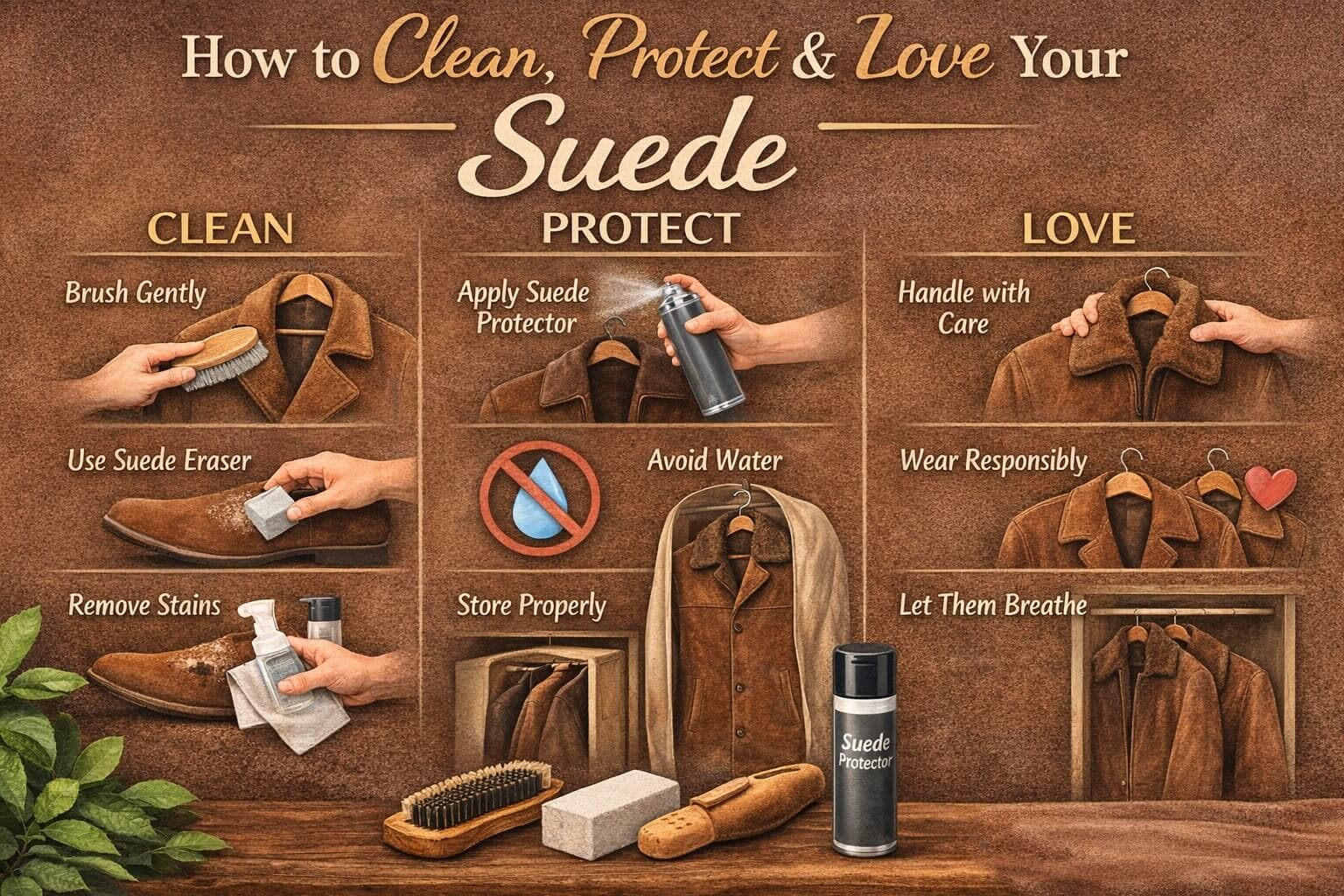
Suede is one of those materials that instantly makes shoes, bags, and jackets feel more luxurious-but it also needs a bit of extra love to stay looking its best. With the right routine and a few simple tools, you can keep suede soft, vibrant, and stain-free for years.
What Makes Suede Special
Suede is made from the inner side of the hide, which is brushed to create that soft, velvety nap you recognize immediately. This open-fiber structure is what makes suede feel plush but also makes it more sensitive to water, dirt, and oil than smooth leather.
Because of that texture, regular leather cleaners and polishes are usually too harsh or simply unsuitable for suede. Instead, suede responds best to gentle mechanical cleaning (brushing, erasing) and products made specifically for it.
Essential Suede Care Tools
You do not need a huge kit, but a few dedicated tools make a big difference in how well your suede ages.
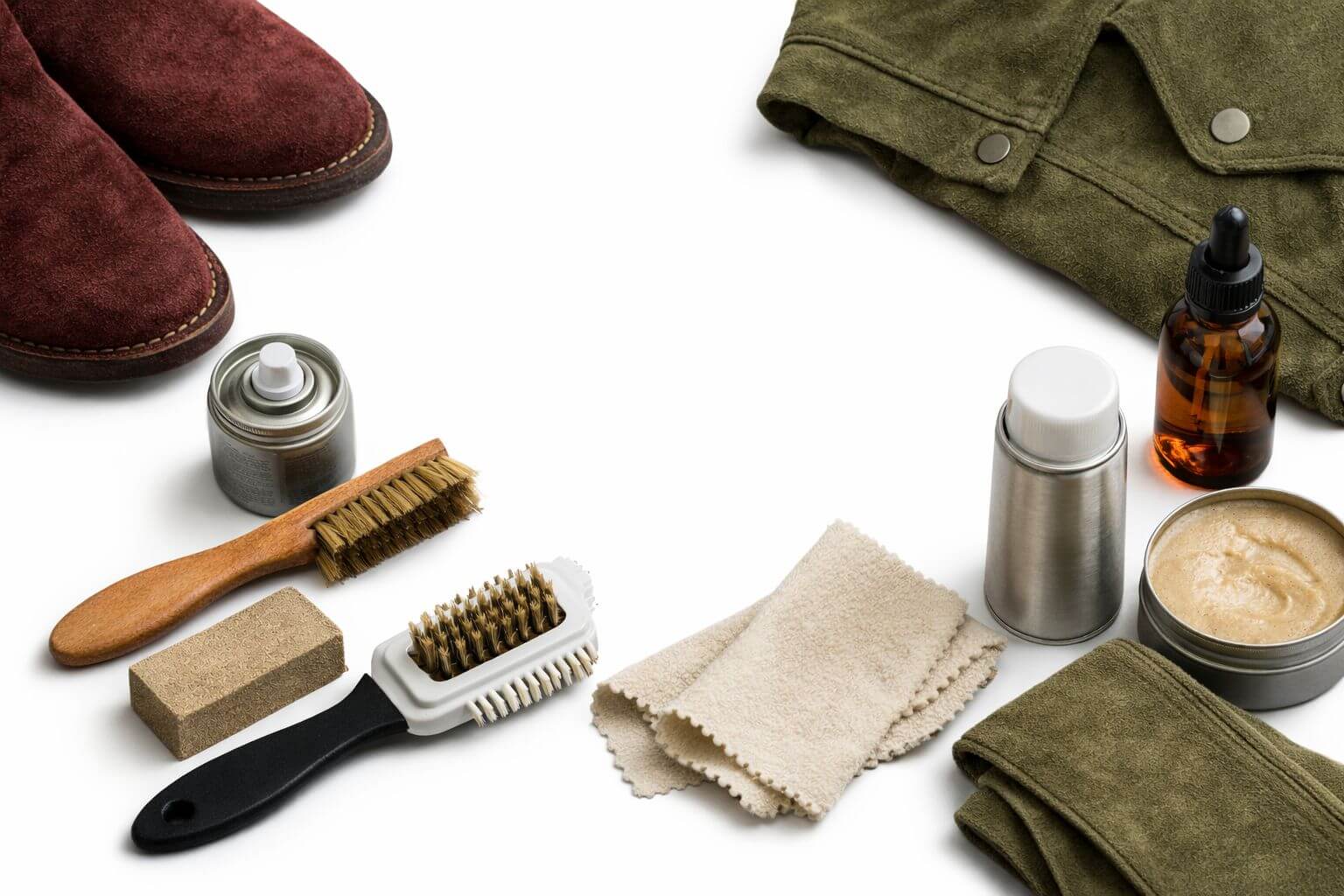
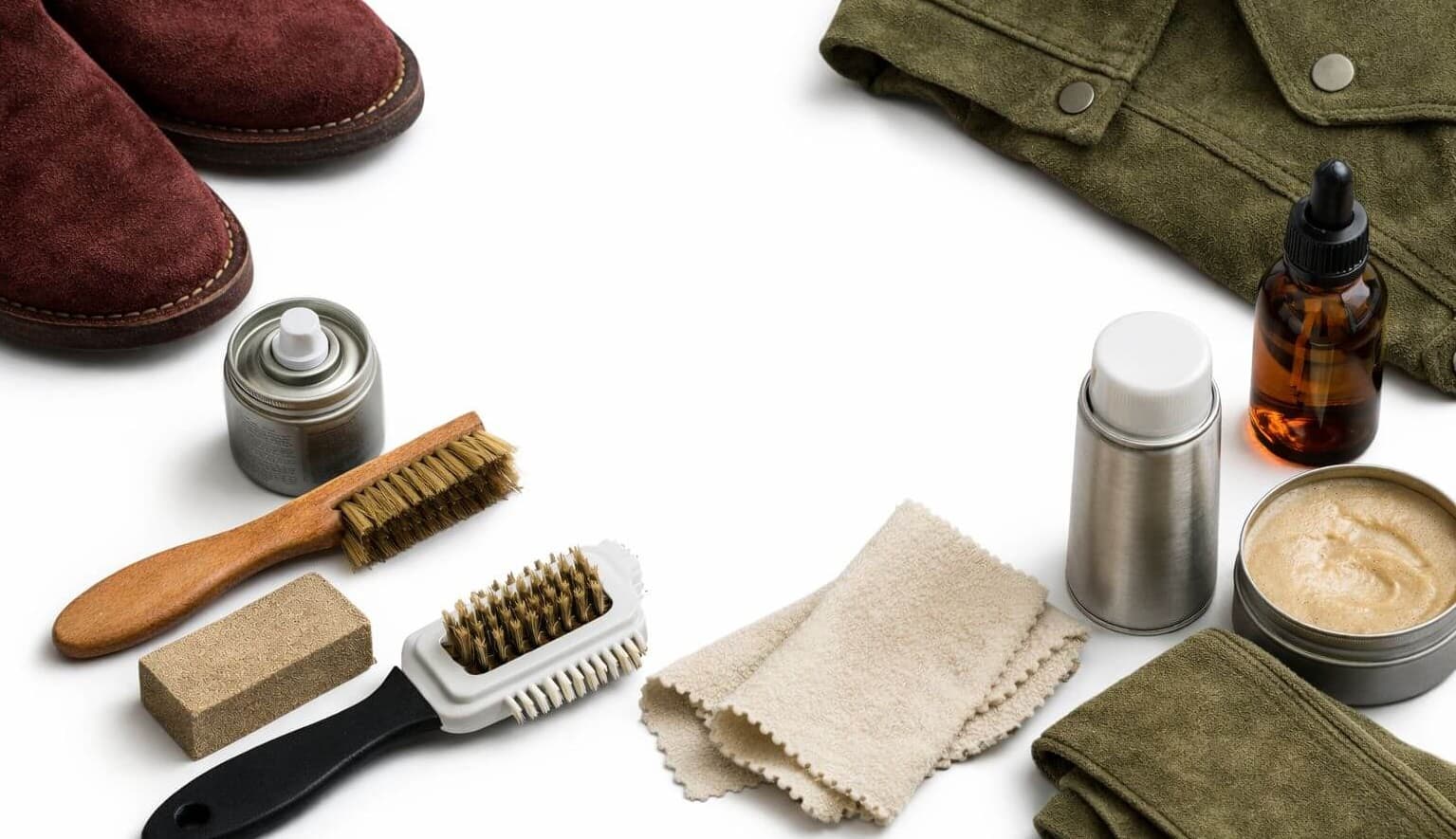
- Suede brush (with rubber or brass bristles, depending on delicacy of the item) to lift dirt and restore the nap.
- Suede eraser or cleaning block to work on shiny spots and light stains.
- Suede cleaner (foam or liquid, suede-specific) for deeper cleaning when brushing alone is not enough.
- Waterproofing/protective spray formulated for suede to help repel water and stains.
Having these on hand means most everyday marks can be addressed at home before they become permanent.
Daily and Weekly Suede Care Routine
A simple, consistent routine will keep suede looking fresh and prevent buildup of dirt and oils.
- Let suede dry naturally after wear - If your suede shoes or bag picked up a bit of moisture outside, let them air-dry at room temperature before storing. Avoid radiators, hair dryers, or direct sunlight, which can stiffen or discolor the material.
- Brush regularly - Once dry, use a suede brush to gently brush in one direction to remove surface dust and revive the nap. For more matted areas, you can use slightly firmer strokes or a back-and-forth motion.
- Support the shape - For shoes, insert shoe trees or stuff them with paper while they rest so they dry in shape and avoid deep creases. For bags or jackets, hang or store them so the suede is not compressed under weight.
Doing this weekly (or after heavy wear) prevents suede from looking tired and worn before its time.
How to Handle Fresh Stains and Spills
With suede, speed and the right technique are everything when accidents happen.
- Liquid spills (water, drinks, etc.) - Blot immediately with a clean, dry cloth-do not rub, as that pushes moisture and pigment deeper into the fibers. Let the area dry fully, then brush to restore the nap and see how much of the mark remains.
- Mud and dirt - Let mud dry completely; trying to remove wet mud usually spreads it around. Once dry, break off loose pieces with your fingers and then use a suede brush to lift the remaining dust.
- Oily spots - For fresh grease or oil, some guides suggest sprinkling a small amount of talc or corn starch to help draw out the oil before brushing it away once dry. Persistent oil stains often need a professional cleaner or a specialized suede cleaning product.
Being gentle is key: harsh scrubbing, rubbing with water, or using random household chemicals can permanently darken or stiffen suede.
Deeper Cleaning for Tired or Stained Suede
Over time, even well-cared-for suede can begin to look flat, dusty, or stained; that is where deeper cleaning comes in.
- Start with a thorough brush - Brush the entire item to lift as much dirt as possible and open the fibers so cleaner can work evenly.
- Use a suede eraser on shiny or marked areas - Rub the eraser gently over scuffs, shiny patches, and small marks to rough up compacted fibers and lift embedded grime.
- Apply a suede-specific cleaner if needed - Many brands offer suede foams or liquids designed to clean without saturating the material. Follow the instructions carefully, typically applying with a cloth or sponge and allowing even drying to avoid tide marks.
- Dry naturally and brush again - Let the item dry away from heat and direct sun, then brush once more to soften the texture and even out the nap.
If the item is very valuable or sentimental and heavily stained, professional cleaning is often the safest route.
Protecting Suede from Water and Stains
Prevention is the easiest form of suede care, and a good protective spray is your best friend.
Most suede care guides recommend applying a dedicated water and stain repellent spray before first wear and reapplying periodically. These sprays create an invisible barrier that helps water bead off and makes stains less likely to penetrate deeply.
- Always apply on clean, dry suede in a well‑ventilated area.
- Hold the spray at the recommended distance and apply an even, light coat.
- Let dry fully before wearing; some products recommend a second coat for extra protection.
This step does not make suede waterproof, but it significantly increases its resistance to everyday splashes and marks.
Storing Suede the Right Way
Good storage protects suede from fading, deformation, and dust accumulation when you are not using it.
- Keep suede cool, dry, and away from direct sunlight, which can fade colors and dry out the fibers.
- Use breathable storage such as cotton dust bags or boxes, not plastic, so moisture does not get trapped.
- Maintain structure with shoe trees, tissue paper, or padded hangers so items do not crease sharply or collapse on themselves.
Before long-term storage (e.g., off-season), clean and brush suede so you are not “storing” dirt into the material for months at a time.
Common Suede Care Mistakes to Avoid
A few habits do more harm than good when it comes to suede.
- Using regular leather polish or creams on suede, which can clog the nap and change the finish.
- Saturating suede with water or soaking it, which can cause stiffness, stains, and warping as it dries.
- Applying heat (radiators, hair dryers) to speed up drying, which can shrink or harden the material.
- Scrubbing aggressively with rough cloths or random cleaners, which can permanently scar the surface.
Sticking to suede‑specific products and gentle mechanical cleaning (brushing, erasers) is the safest long‑term strategy.
Frequently Asked Questions
- Can suede get wet?
Light moisture is not the end of the world if you let suede dry naturally and brush it afterward, but suede is more sensitive to water than smooth leather. Always apply protective spray before wearing in wet conditions.
- Do I really need a suede brush?
Yes. Suede brushes are designed to lift the nap, remove dust, and restore the soft texture without damaging the material. Regular brushes can flatten or scratch the surface.
- How often should I use protective spray on suede?
Reapply protective spray every few weeks with regular wear, or after each thorough cleaning, to maintain water and stain resistance throughout the season.
- Can I clean suede at home?
Yes, for everyday maintenance. Use a suede brush after each wear, a suede eraser for small marks, and white vinegar on a cloth for light stains. For deep stains or discolouration, a professional leather cleaner is recommended.
- How should I store suede in the off-season?
Store suede on a padded hanger in a breathable garment bag, away from direct sunlight and heat sources. Add cedar inserts to repel moths. Never store suede in plastic, which traps moisture and can cause mildew.
Suede Care Toolkit Reference
| Tool | Cost (euros) | Use Frequency | Primary Function |
|---|---|---|---|
| Suede brush (horsehair or brass) | 15 to 25 | After each wear | Lift dust, restore nap |
| Suede eraser block | 8 to 12 | As needed | Remove shiny spots and small marks |
| Suede cleaning foam | 18 to 30 | Every 6 months | Deep clean without saturation |
| Suede protector spray | 20 to 35 | Every 6 to 8 weeks | Repel water and oil |
| Padded hanger | 10 to 20 | Permanent | Maintain shoulder line |
| Cotton garment bag | 15 to 25 | Permanent | Protect during storage |
Shop the Collection
Every piece is cut from 100% genuine suede and made to be worn for years, not seasons.
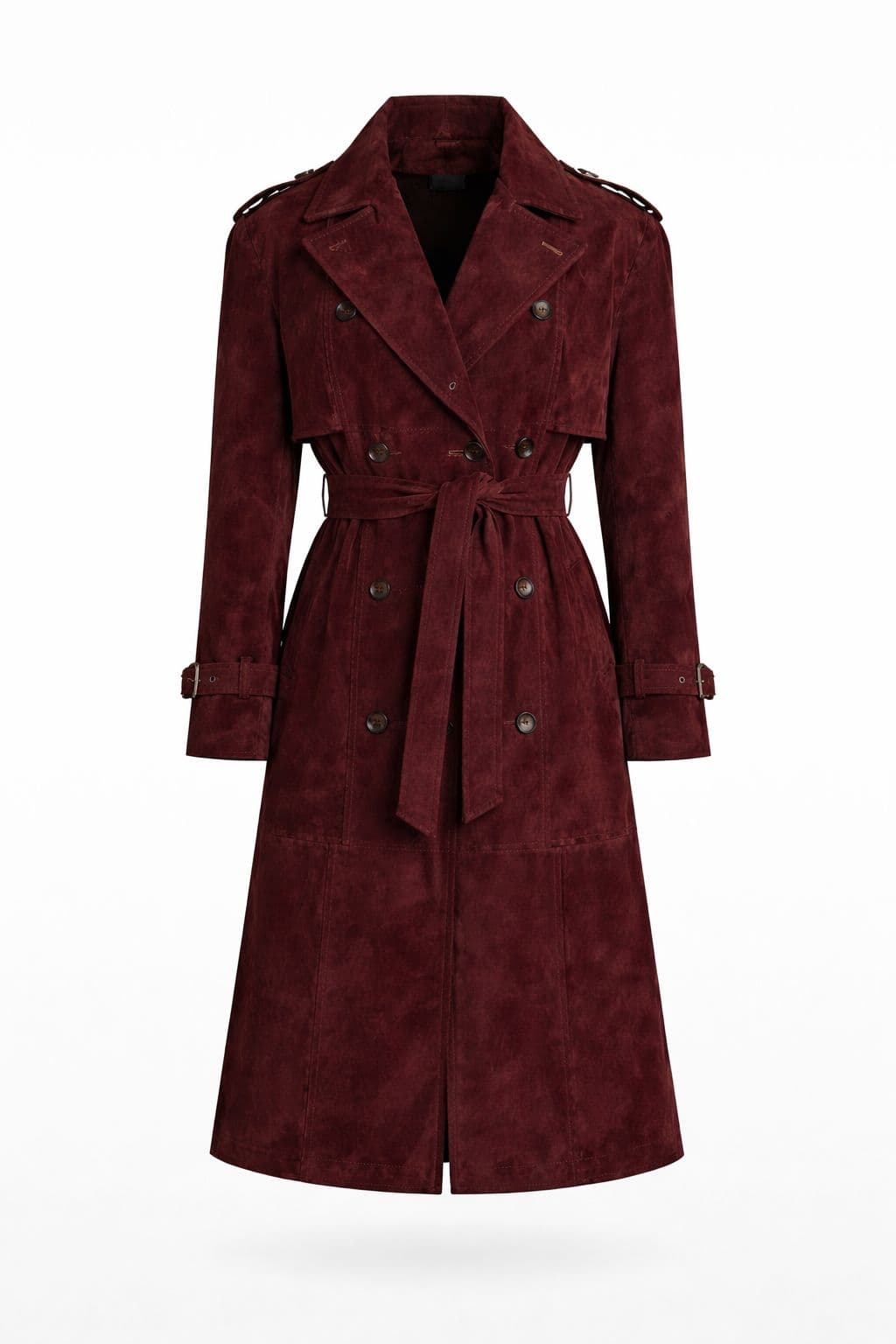
Clémence Bordeaux Suede Coat - 100% Genuine Premium Suede
$920
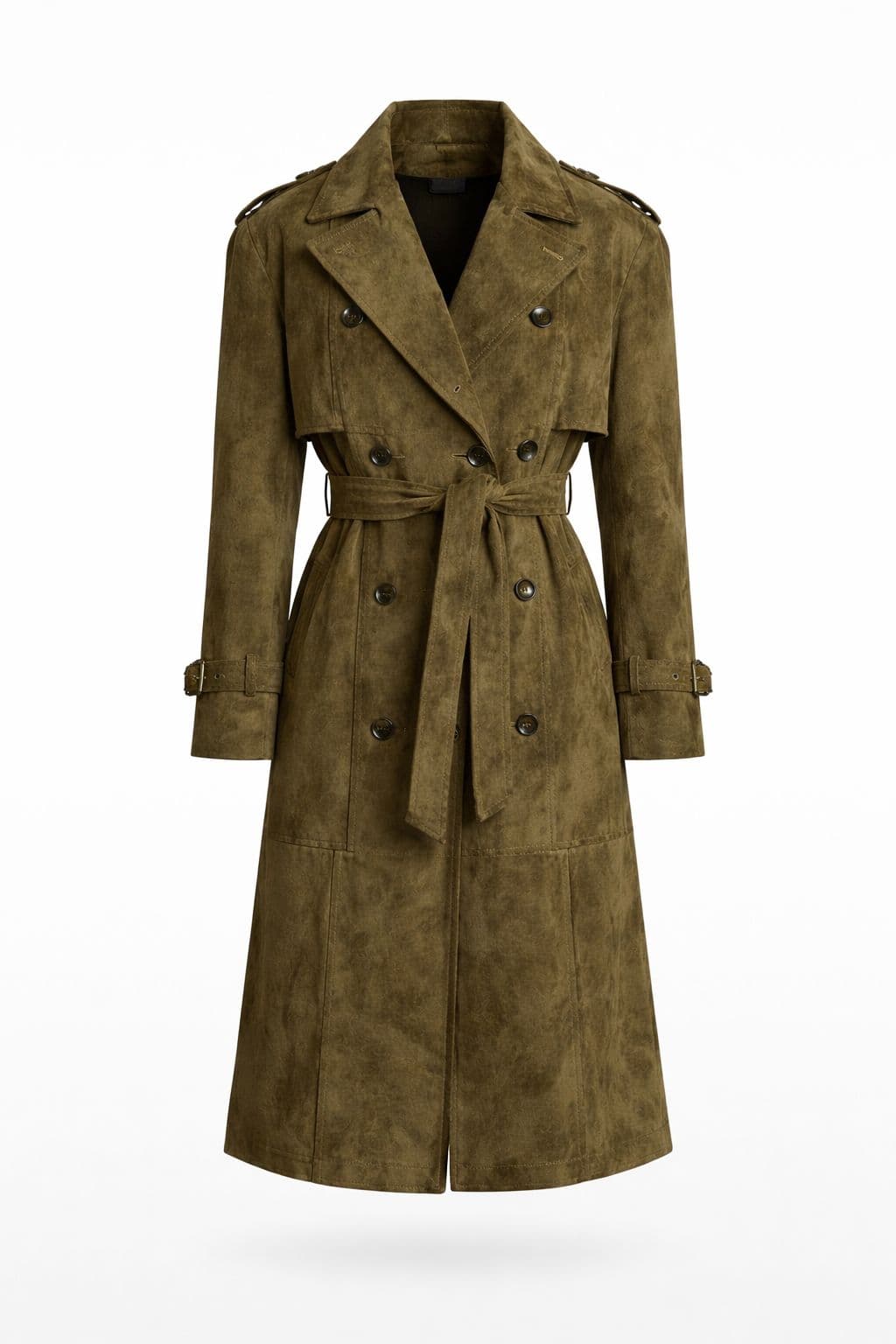
Clémence Olive Suede Coat - 100% Genuine Premium Suede
$920
Free shipping on orders above $330.
Related Reading
- Everyday suede cleaning routine
- Suede coat care and storage: the complete year-round guide
- How to waterproof a suede jacket without darkening the colour
- Removing stains from suede: oil, wine, ink, mud, and salt
- Professional suede cleaning vs DIY: when each is worth it
- Can you wear a suede coat in the rain?