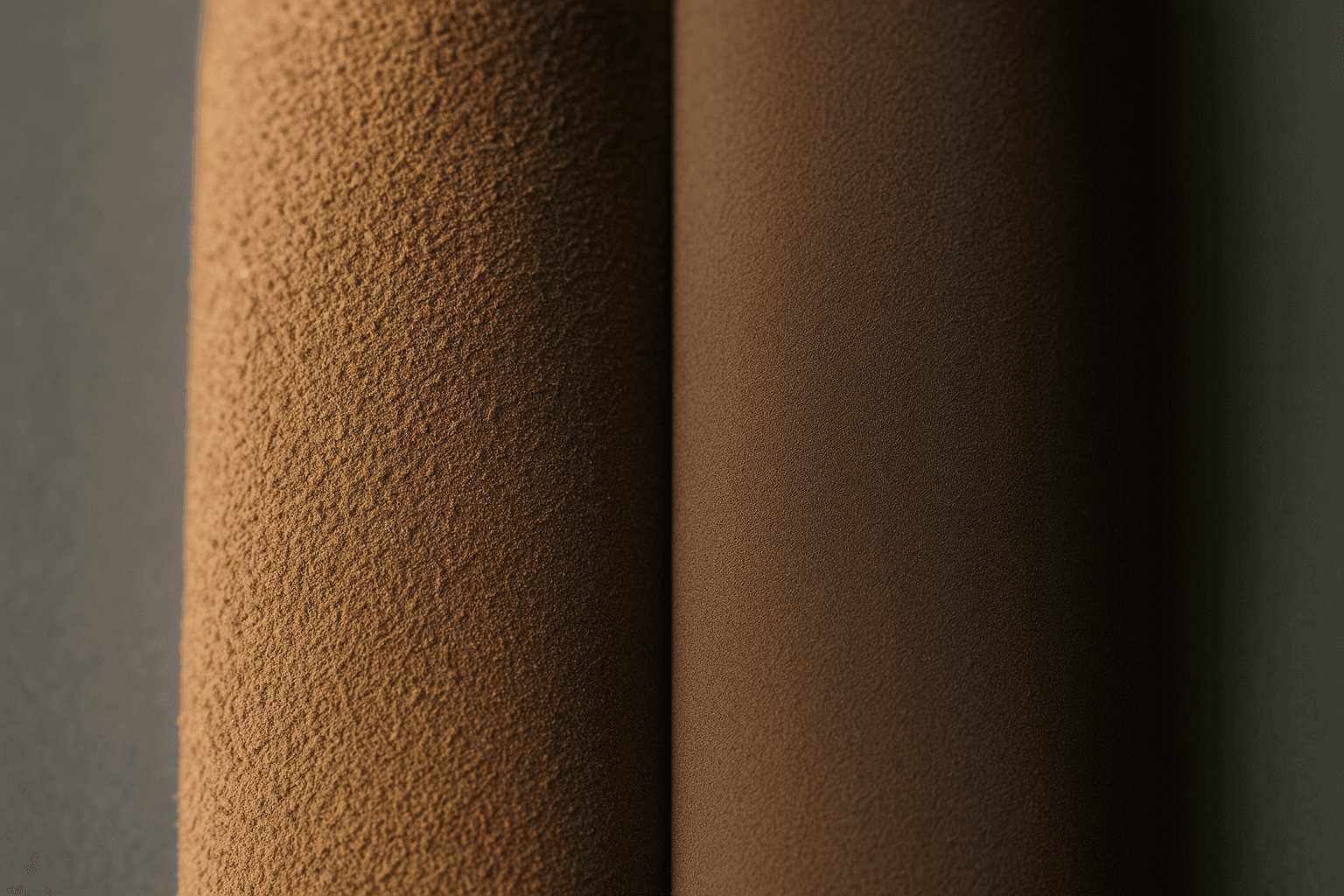
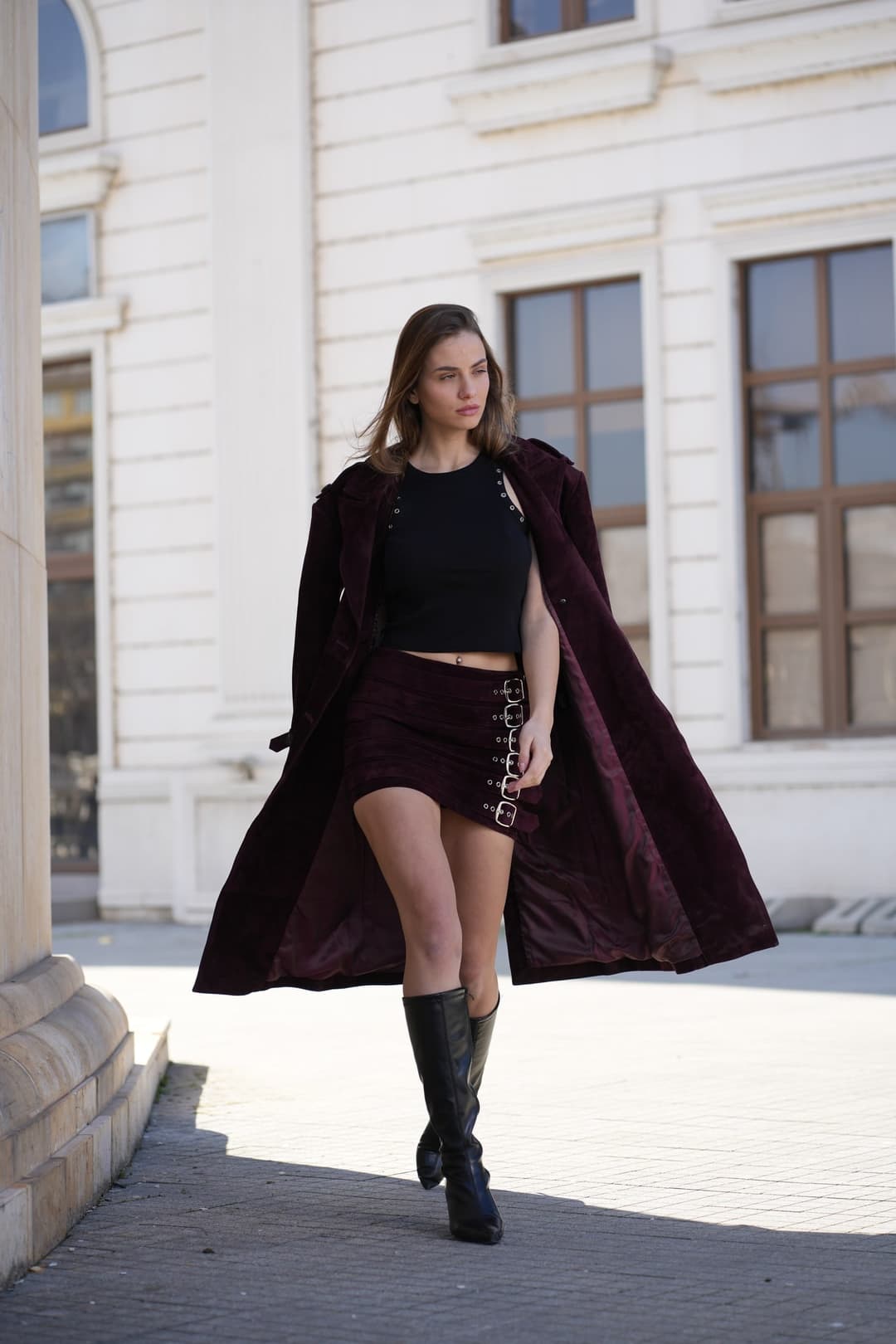
The Penny Lane Coat: How a 1970s Suede Silhouette Became a Modern Icon
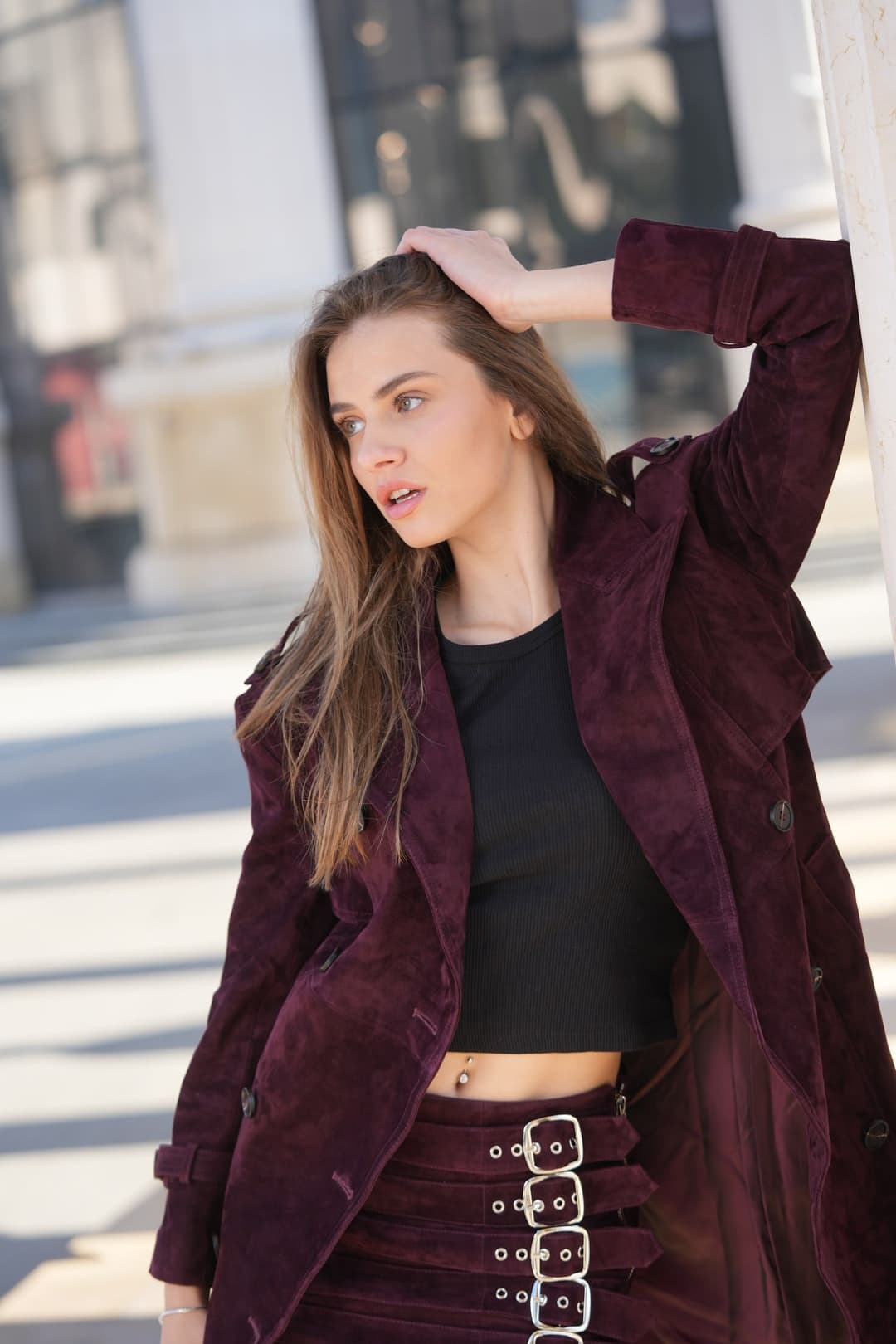
Few suede coats in fashion history have a name as recognisable as the Penny Lane coat. Introduced to mainstream culture by Kate Hudson's character in the 2000 film Almost Famous, the coat itself was a 1970s shearling-collared suede silhouette that already had a cult following in vintage circles. Two decades later it has resurfaced as one of the most-searched, most-photographed, and most-emulated suede coats on the planet.
This guide covers what defines a true Penny Lane silhouette, why it works on almost every body type, the history behind the look, and how to wear it today without it feeling like a costume.
What Defines a Penny Lane Suede Coat
A coat is not a Penny Lane coat just because it is brown and made of suede. The silhouette is specific, and getting the details right is what separates an authentic version from a generic suede coat with a fur collar.
- A shearling, faux fur, or fluffy collar - typically oversized, cream or off-white, and sitting high on the neck so it frames the face.
- A matching shearling or fur trim along the cuffs and often along the front placket and hem.
- A length that lands between the upper thigh and just above the knee. Mid-thigh is the most common and most flattering version.
- A relaxed but defined waist, often with a soft tie belt rather than a structured belt loop system.
- A button or hook front closure, never a zip - the original was a hook-and-eye.
- Warm, earthy colour palette: cognac, chestnut, caramel, cinnamon, or chocolate brown. Black and cream Penny Lane coats exist but are less iconic.
The Silhouette's Pre-Cinema History
The shearling-collared suede coat predates Almost Famous by roughly thirty years. It belongs to a broader 1960s and 1970s wave of Afghan coats, penny coats, and aviator-influenced outerwear that combined practicality (the shearling collar is genuinely warm) with a soft, bohemian femininity. By the early 1970s, this silhouette was a staple of European folk-rock and Laurel Canyon style. Penny Lane the character was a band-aid in 1973, and the coat costume designers built for her was deliberately sourced from period-correct vintage.
When the film released in 2000, the look hit at a moment when high fashion was already pivoting back toward 1970s textures and silhouettes. The combination of cinematic moment and fashion timing turned a vintage piece into a permanent reference.
Why the Penny Lane Coat Works on Almost Everyone
Most cult coats flatter one body type and look strange on others. The Penny Lane silhouette is unusual in that it works across heights and shapes. Three reasons:
- The shearling collar draws the eye upward toward the face, which lengthens the visual line of the body even when the coat itself ends at the knee.
- The soft waist tie creates a defined but forgiving shape - it cinches without demanding a particular waist size or hip-to-waist ratio.
- The warm earth tones flatter most skin undertones, especially when matched to undertone (cool brown for cool complexions, warm cognac for warm complexions).
How to Wear a Penny Lane Coat in 2026 Without Looking Like a Costume
The risk with any iconic piece is that it reads as fancy dress. Three rules keep a Penny Lane coat firmly in the present:
- Pair it with one modern element. Cropped wide-leg jeans, a chunky modern boot, or a sleek leather bag instantly anchors the coat in 2026 rather than 1973.
- Avoid head-to-toe 1970s. Skip the wide flares, the floppy hat, and the suede waistcoat at the same time. Pick one Penny Lane signal and let everything else be neutral.
- Choose a tonal undershirt. A simple white tee, a black turtleneck, or a cream knit lets the coat be the statement without competition.
Penny Lane Coat Outfit Formulas
Weekend casual
Penny Lane coat + plain white tee + straight-leg jeans + ankle boots + small crossbody bag. The cleanest version of the look.
Smart-casual lunch
Penny Lane coat + cream cashmere knit + dark wash flares + knee-high boots + tortoise sunglasses.
Travel and city days
Penny Lane coat + black roll-neck + black wide-leg trousers + black loafers + structured tote. The shearling collar replaces a scarf.
Cold-weather elevated
Penny Lane coat + slip dress + opaque tights + tall boots + leather gloves. Adds movement and softness.
Choosing Your First Penny Lane Coat
Three things determine whether a Penny Lane coat will become a staple or live in the back of the wardrobe:
- Suede quality. The coat should be cut from genuine goatskin, lambskin, or calfskin suede - not split cowhide or microfibre. The hand should be soft, the nap consistent, and the colour drum-dyed through the hide rather than sprayed on the surface. See our guide on lambskin vs goatskin vs calfskin suede coats for hide-by-hide differences.
- Collar proportion. The shearling or fur collar should sit high and full. A small, flat collar reads as a generic suede coat with trim rather than a Penny Lane silhouette.
- Length. Aim for mid-thigh to just above the knee. Anything shorter loses the proportional impact, anything longer crosses into a different category of coat. See our suede coat lengths guide for length-by-length recommendations.
Care Notes Specific to Penny Lane Coats
The shearling or fur collar makes care slightly more involved than a standard suede coat. Brush the suede body in the direction of the nap with a soft suede brush. Brush the collar separately with a wide-tooth comb to keep the pile lofted. Apply a colourless suede protector spray to the body but not the shearling. Store on a wide padded hanger so the collar holds its shape, ideally inside a breathable garment bag. For full storage and seasonal care, see our suede coat care and storage guide.
Frequently Asked Questions
- Is the Penny Lane coat from Almost Famous a real vintage piece or a costume?
It was a real vintage piece. Costume designer Betsy Heimann sourced the original coat from a vintage store and used it as the inspiration for what is now one of the most-referenced suede silhouettes in cinema.
- What is the difference between a Penny Lane coat and an Afghan coat?
An Afghan coat is typically longer, often unlined, and has visible shearling on the inside as well as the trim. A Penny Lane coat is shorter (mid-thigh to knee), usually has a fully finished interior lining, and uses shearling only as collar and cuff trim. They share a 1970s lineage but are distinct silhouettes.
- Can you wear a Penny Lane coat in spring?
Yes, in early spring when temperatures are still cool. The shearling collar makes it warm enough for chilly mornings but the suede body breathes, so it does not overheat the way a wool coat would. Avoid mid to late spring once temperatures pass 18°C.
- What colour is the most authentic Penny Lane coat?
Warm cognac to chestnut brown is the most film-accurate and the most flattering for most complexions. Chocolate brown and caramel are also period-correct and work well. Black, cream, and bordeaux versions exist but are modern reinterpretations rather than original references.
- How does a Penny Lane coat differ from a shearling coat?
A shearling coat is made entirely of shearling (sheepskin with the wool attached on the inside). A Penny Lane coat is a suede coat with shearling or faux fur used only as collar and cuff trim. The Penny Lane is significantly lighter, more drapey, and more versatile across seasons. See our suede coat vs shearling coat comparison for a full breakdown.
Penny Lane Through the Decades
| Decade | Defining Feature | Modern Equivalent |
|---|---|---|
| 1970s | Shearling collar and cuffs, fringe trim | Maxi suede coat with shearling lining |
| 1980s | Boxy shoulders, longer length | Oversized car coat in chocolate suede |
| 1990s | Slimmer cut, less fringing | Belted suede trench |
| 2000s | Cropped boho versions | Short suede jacket with shearling collar |
| 2010s | Cinematic revival after Almost Famous | Faithful 70s reproductions in luxury hides |
| 2020s | Cleaner lines, refined proportions | Tailored Penny Lane in lambskin or goatskin |
Shop the Collection
Every piece is cut from 100% genuine suede and made to be worn for years, not seasons.
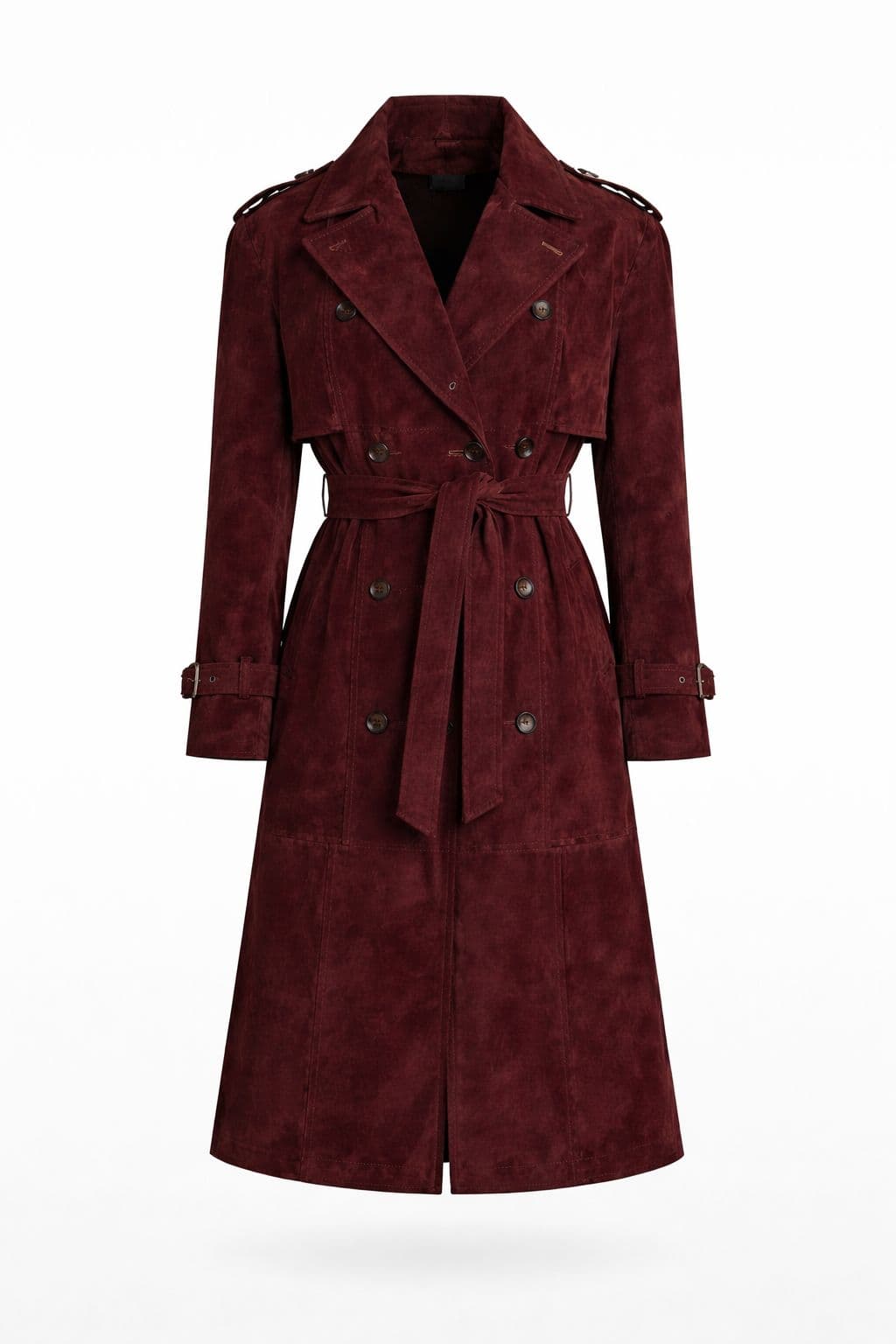
Clémence Bordeaux Suede Coat - 100% Genuine Premium Suede
$920
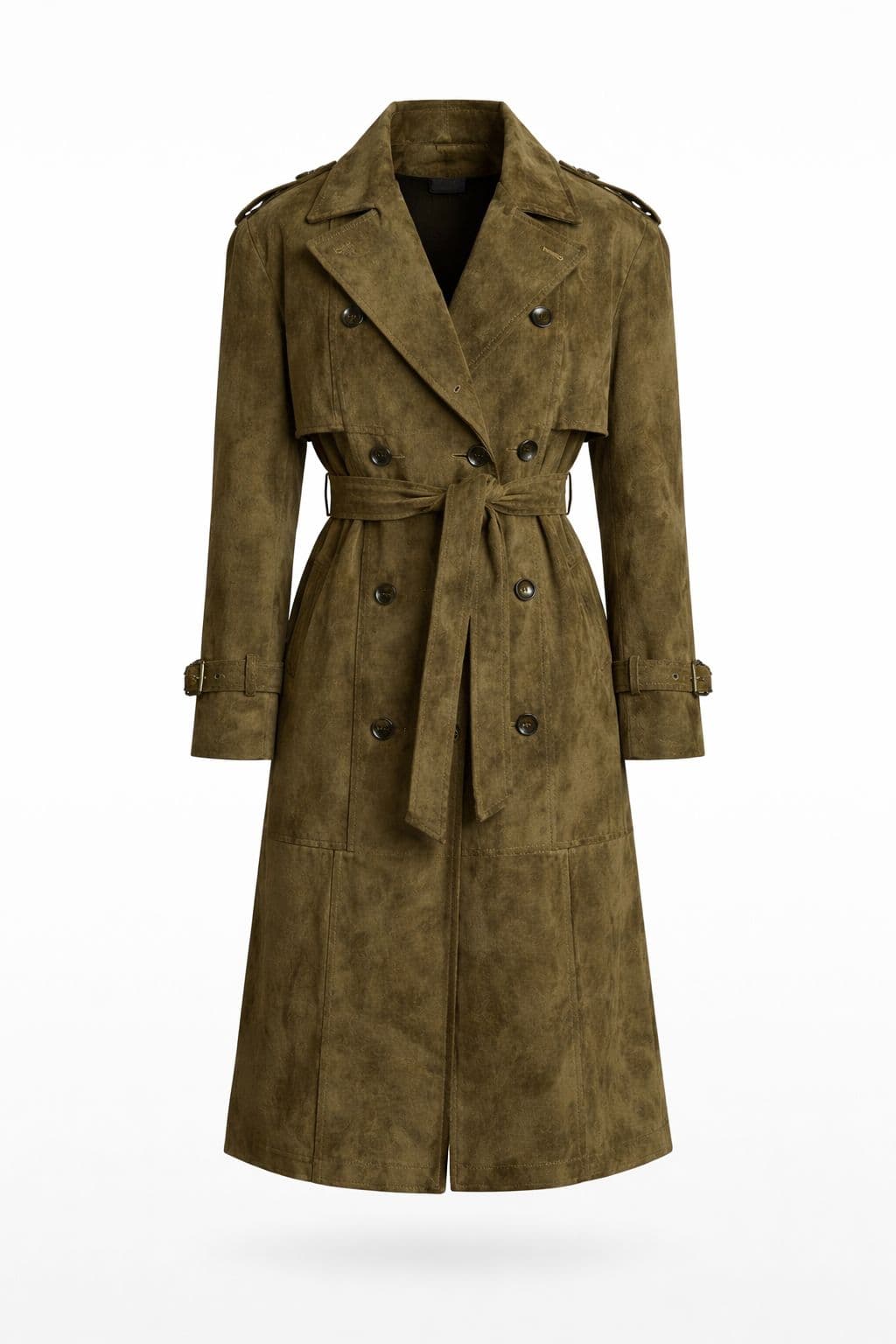
Clémence Olive Suede Coat - 100% Genuine Premium Suede
$920
Free shipping on orders above $330.