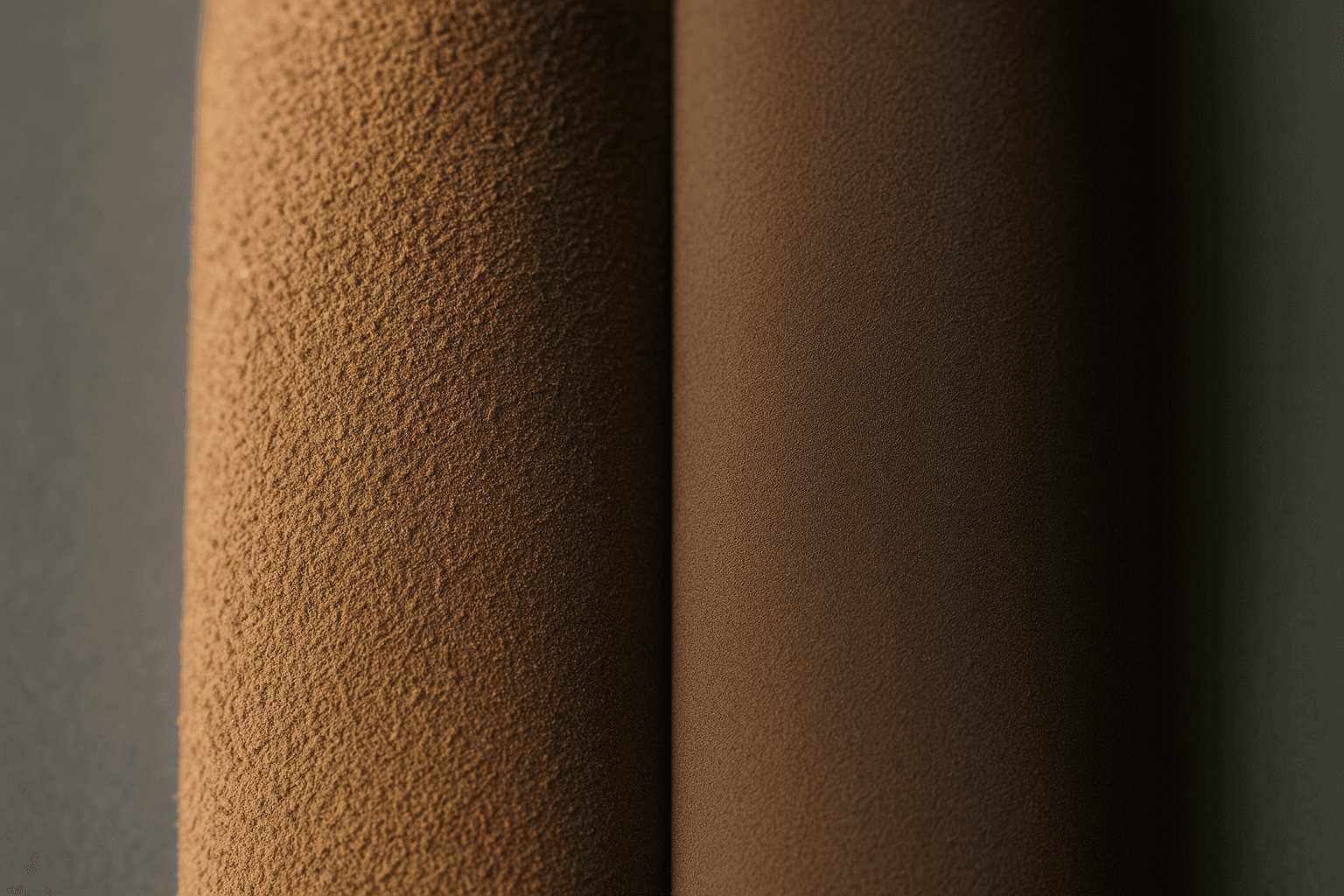
Vegetable-Tanned Suede Coats: Why Tanning Method Matters More Than You Think

Tanning is the chemistry that turns raw animal hide into stable leather. Without it, hide rots within days. With it, hide lasts decades. The method used to tan suede shapes everything that follows - colour depth, hand feel, longevity, environmental footprint, even smell. Most buyers never think about tanning. Most should.
Why Tanning Method Matters
Two suede coats made from the same hide, dyed the same colour, can age completely differently depending on how they were tanned. Tanning is the foundation; everything visible on the surface is built on it.
The Three Main Tanning Methods
1. Vegetable Tanning
Vegetable tanning uses tannins extracted from plants - oak bark, chestnut, mimosa, quebracho - to bond with the hide proteins and stabilise the structure. It is the oldest tanning method, used for thousands of years, and the slowest. A full vegetable tan can take 30-60 days.
- Produces deep, complex colour that ages beautifully - the classic 'patina' that owners describe as the coat improving over years.
- Lower environmental impact when responsibly sourced - the tannins are biodegradable, the wastewater is less toxic.
- Slightly stiffer initial hand than chrome-tanned suede, softening with wear.
- Slower to dry if wet - lower water resistance than chrome-tanned suede.
- Most expensive method due to time, expertise, and material costs.
- Best for: heritage suede coats, vegetable-coloured shades (camel, chocolate, cognac), buyers who want patina development.
2. Chrome Tanning
Chrome tanning uses chromium salts to bond with hide proteins. Developed in the 1850s, it became the dominant industrial method by the 20th century because it is fast (1-2 days), cheap, and produces consistent results.
- Produces softer, more uniform suede with very consistent colour saturation.
- Better water resistance and faster drying than vegetable tanning.
- Brighter colour palette possible - chrome-tanned suede holds vibrant blues, reds, and pastels that vegetable tanning cannot achieve.
- Higher environmental concerns - chrome runoff requires careful waste management; poorly regulated chrome tanning is one of the most polluting industries in the world.
- Less complex patina development - chrome-tanned suede tends to wear rather than age.
- Best for: brightly coloured suede, mass-market suede coats, technical performance needs.
3. Aldehyde / Synthetic Tanning
Aldehyde tanning uses synthetic chemicals (often glutaraldehyde) and is sometimes called 'wet white' tanning. It produces very soft, pale-coloured suede and is increasingly used for chrome-free certifications.
- Very soft hand, often used in higher-end glove and garment leather.
- Chrome-free, but the synthetic chemicals carry their own environmental concerns.
- Less proven longevity than vegetable or chrome - the long-term ageing of aldehyde-tanned suede is not yet well-documented over decades.
- Common in 'eco-conscious' suede marketing, though the actual environmental advantage depends on the specific process.
- Best for: very soft drape-led silhouettes, pale colours, brands with sustainability positioning.
How to Tell What Tanning Was Used
Reputable brands disclose tanning method on the product page or care label. If you cannot find it explicitly stated, ask. Three signals to read:
- Colour palette: deep earth tones (camel, cognac, chocolate, olive, oxblood) are achievable with vegetable tanning. Bright pastels, neon colours, and very pale ivories typically require chrome or aldehyde tanning.
- Smell: vegetable-tanned suede has a faint, woody, slightly sweet smell. Chrome-tanned suede has a more chemical, sometimes faintly metallic smell. Aldehyde-tanned suede is usually nearly odourless.
- Hand: vegetable-tanned suede starts slightly firm and softens with wear. Chrome-tanned suede starts at its softest and stays consistent. Aldehyde-tanned suede is usually softest of all from day one.
Why Vegetable-Tanned Suede Is Worth the Premium
For an investment-grade suede coat intended to last 10-15 years, vegetable tanning is the strongest choice for three reasons:
- Patina development. Vegetable tannins continue to oxidise and deepen colour over years. The coat genuinely becomes more beautiful with wear, in a way that chrome-tanned suede cannot match.
- Lifespan. Vegetable-tanned hides have documented histories of lasting 50-100 years in heritage examples. Long-term durability data on chrome and aldehyde tanning is shorter.
- Environmental footprint. When sourced from certified European tanneries (Tuscany, particularly), vegetable-tanned suede has substantially lower environmental impact than chrome-tanned alternatives.
When Chrome-Tanned Suede Makes More Sense
Chrome tanning is the right choice in three scenarios: you want a vibrant or unusual colour that vegetable tanning cannot produce, you need the slightly better water resistance for a daily-wear coat in a wetter climate, or you want a softer initial hand without the break-in period of vegetable tanning. Chrome tanning is not inherently lower quality - it is a different tool for different jobs.
What to Avoid
- Suede with no listed tanning method and no obvious quality signals (low price, vague description) - usually unregulated chrome from unaccountable supply chains.
- Suede with a strong chemical or solvent smell - indicates poor tanning or finishing chemistry.
- Suede with visible patches of uneven colour or stiffness - indicates a poorly executed tan that may not stabilise over time.
- Suede labelled 'genuine leather' rather than 'genuine suede' or 'goatskin suede' - 'genuine leather' is industry shorthand for the lowest grade of leather, often bonded scraps.
Tanning, Hide, and Tannery Sourcing
The strongest signals of a quality suede coat: a named hide (lambskin, goatskin, calfskin - see our hide comparison), a named tanning method (vegetable, chrome, aldehyde), and ideally a named tanning region (Tuscany, southern Italy, certain Spanish regions). The combination of all three indicates the brand is sourcing transparently and is willing to be held accountable for the supply chain.
Frequently Asked Questions
- Is vegetable-tanned suede better than chrome-tanned suede?
For investment-grade coats intended to last decades, yes - vegetable tanning ages better, develops richer patina, and has lower environmental impact. For specific colours or technical performance, chrome tanning may be the right choice. There is no universal 'better'.
- Why does vegetable-tanned suede cost more?
Time and expertise. Vegetable tanning takes 30-60 days versus 1-2 days for chrome. The skill required is higher and the suitable hides are more limited. The price premium reflects real production cost, not marketing markup.
- Is chrome-tanned suede dangerous to wear?
No. Properly tanned and finished chrome-tanned suede is safe to wear daily and complies with EU and US chemical regulations. The environmental concerns are with the tanning process and waste management at the tannery, not the finished consumer product.
- Can I tell vegetable-tanned suede from chrome-tanned suede by looking?
Sometimes. Vegetable-tanned suede tends to have warmer, slightly less uniform colour, and a faint woody smell. Chrome-tanned suede has more uniform colour and may have a faint metallic smell. The most reliable method is reading the product description.
- Is aldehyde-tanned suede a good choice?
Aldehyde tanning produces very soft suede and avoids chrome, which appeals to environmentally conscious buyers. The trade-off is less proven long-term durability - we have less data on how aldehyde-tanned suede ages over 20+ years. For a 5-10 year coat, it is a reasonable choice; for a multi-decade investment, vegetable tanning has the longer track record.
Tannage Comparison
| Method | Time to Tan | Colour Stability | Environmental Score (1 to 10) |
|---|---|---|---|
| Vegetable tanning | 30 to 60 days | Deepens with age | 9 |
| Chrome-free (synthetic) | 5 to 10 days | Stable | 7 |
| Chrome tanning | 1 to 2 days | Highly stable | 4 |
| Combination (semi-chrome) | 10 to 20 days | Stable | 5 |
| Aldehyde tanning | 7 to 14 days | Stable | 6 |
Shop the Collection
Every piece is cut from 100% genuine suede and made to be worn for years, not seasons.
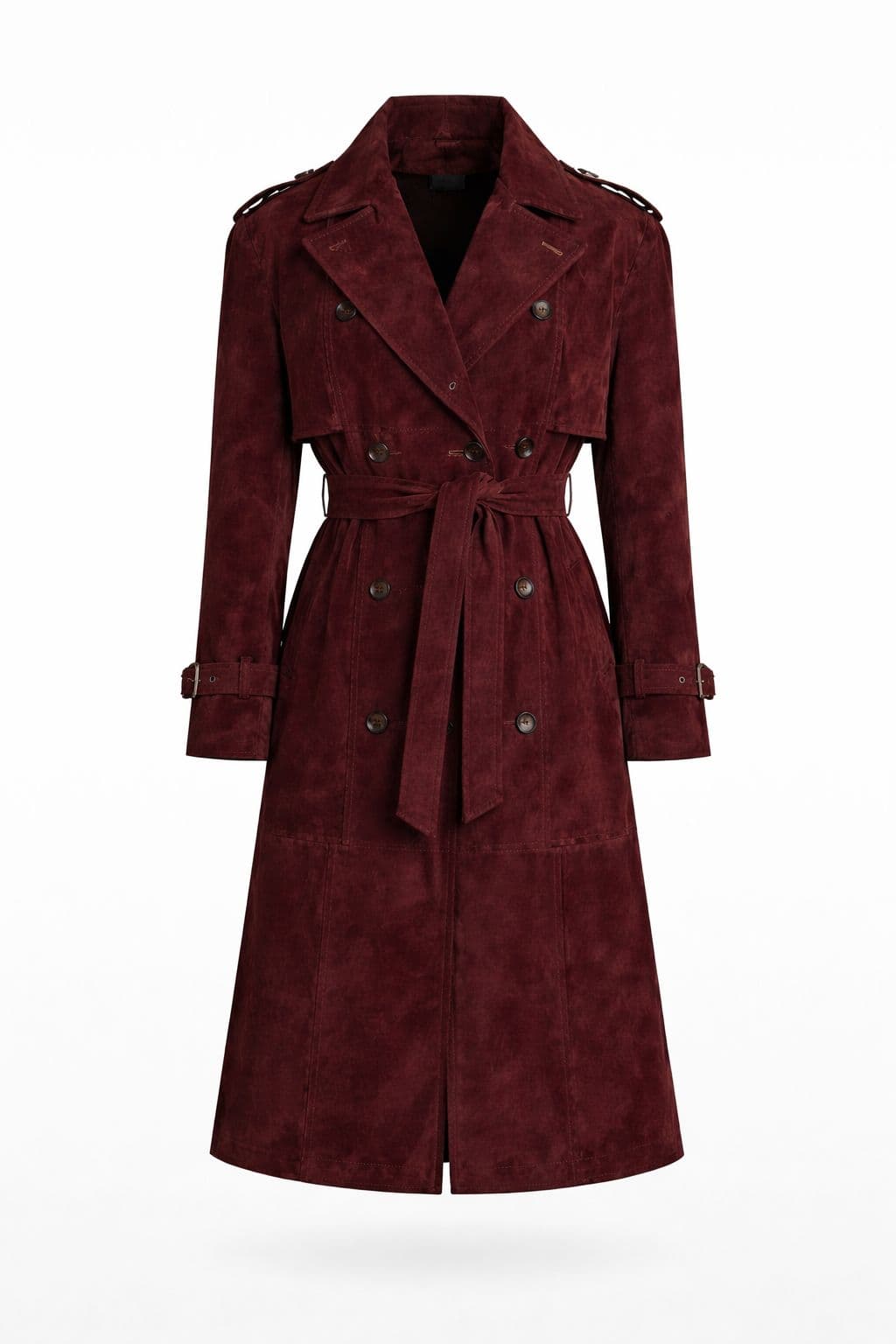
Clémence Bordeaux Suede Coat - 100% Genuine Premium Suede
$920
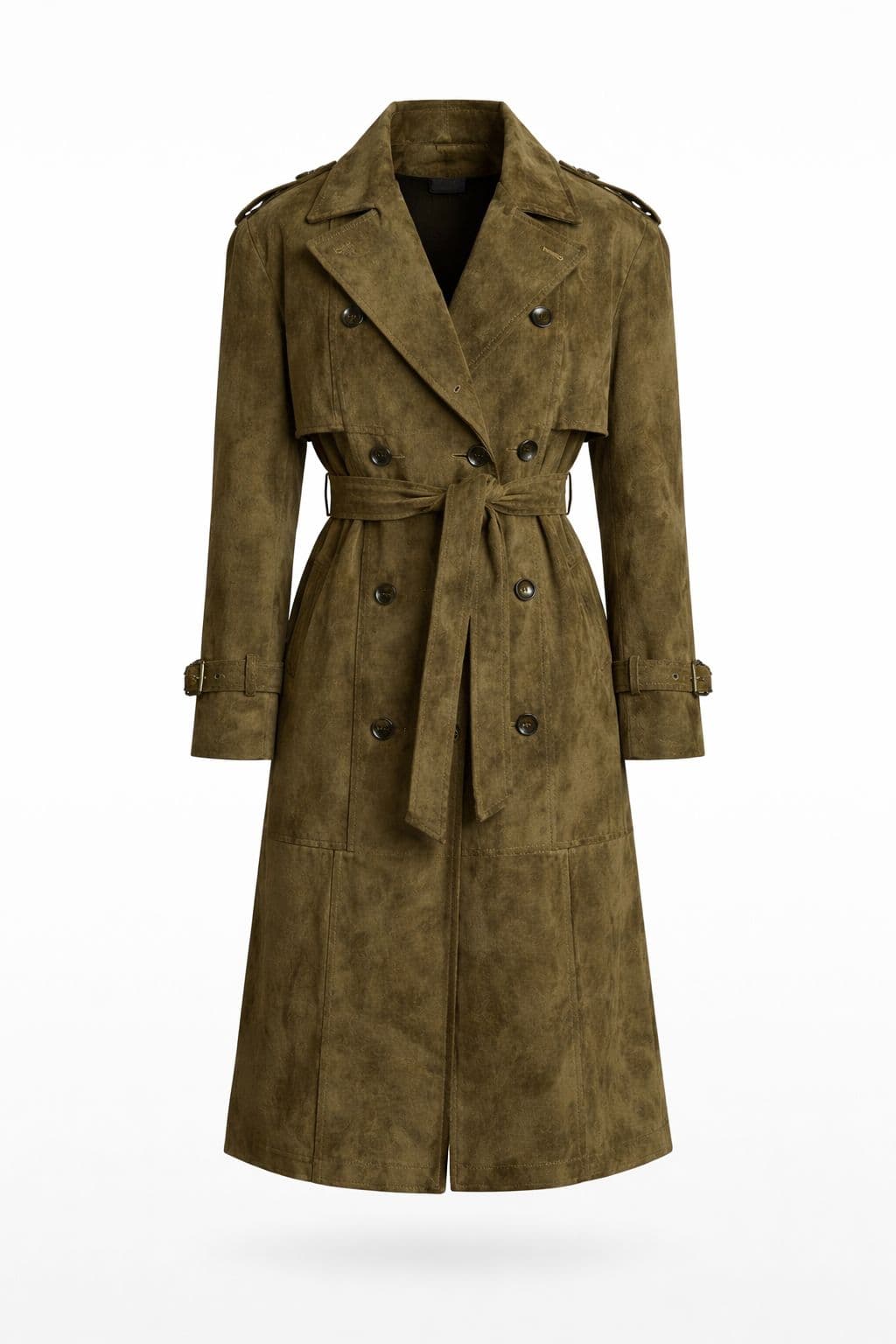
Clémence Olive Suede Coat - 100% Genuine Premium Suede
$920
Free shipping on orders above $330.