La guida definitiva ai colori dei cappotti in camoscio: cammello, cognac, bordeaux, oliva, nero
Il colore del camoscio è più che estetica. Il colore determina quanto spesso indosserai il cappotto, quale stagione gli si addice meglio, con cosa si abbina e come invecchia. Questa guida tratta i sette colori principali del cappotto in camoscio, i sottotoni da conoscere e come scegliere il colore che merita di essere indossato di più nel tuo guardaroba.
Perché il colore del camoscio si comporta diversamente dal colore del tessuto
Il camoscio è tinto attraverso l'intero spessore della pelle anziché stampato in superficie. Il fiore (le fibre spazzolate sulla superficie) cattura la luce in modo diverso da qualsiasi tessuto piatto, quindi lo stesso colorante appare leggermente diverso da ogni angolazione. I colori del camoscio sono inoltre tinti in botte a lotti, il che significa che anche all'interno della stessa linea di prodotti, due pezzi non sono mai identici. Questo fa parte del fascino del camoscio ma significa anche che le foto online raramente catturano il colore esatto dal vivo.
I sette colori principali del cappotto in camoscio
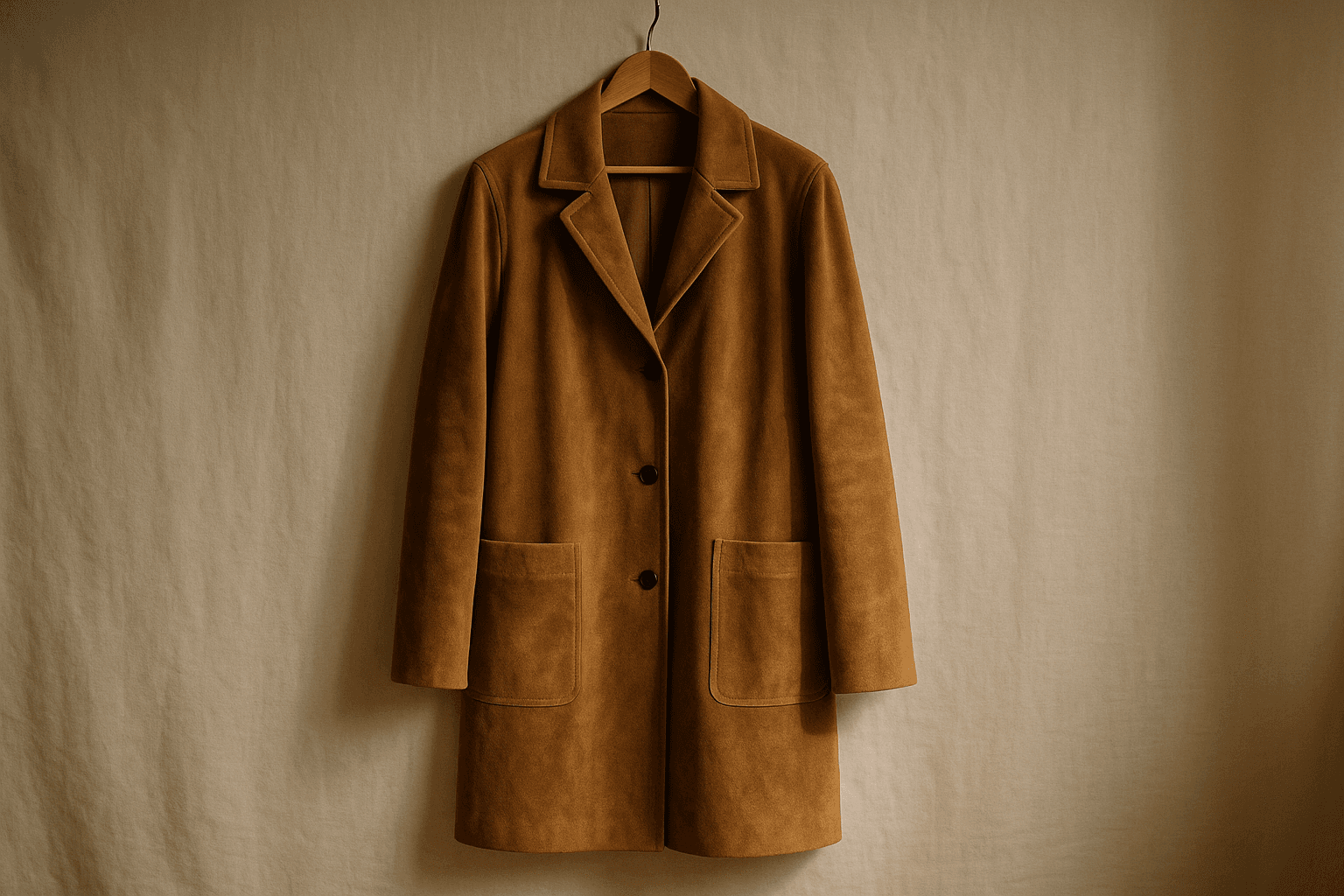
1. Cammello
Il cammello è il più chiaro della famiglia dei marroni - un beige caldo e sabbioso con sottotoni dorati. È il colore di camoscio più fotografato perché si fotografa bene in qualsiasi luce, ed è il colore più facile da abbinare al resto del guardaroba. Il cammello funziona con crema, bianco, blu navy, grigio antracite e la maggior parte dei marroni. Ha difficoltà con il nero (il contrasto può apparire piatto) e con i grigi freddi.
Ideale per: sottotoni caldi, uso quotidiano, guardaroba capsule, stagioni di transizione.
2. Cognac
Il cognac è un marrone medio con un forte sottotono rosso - il colore del liquore. È il più caldo della famiglia dei marroni e il più valorizzante sulle carnagioni calde. Il cognac è il classico colore del cappotto Penny Lane e invecchia magnificamente in una tonalità più profonda e morbida.
Ideale per: carnagioni calde, clima freddo, outfit casual e smart-casual, guardaroba a base denim.
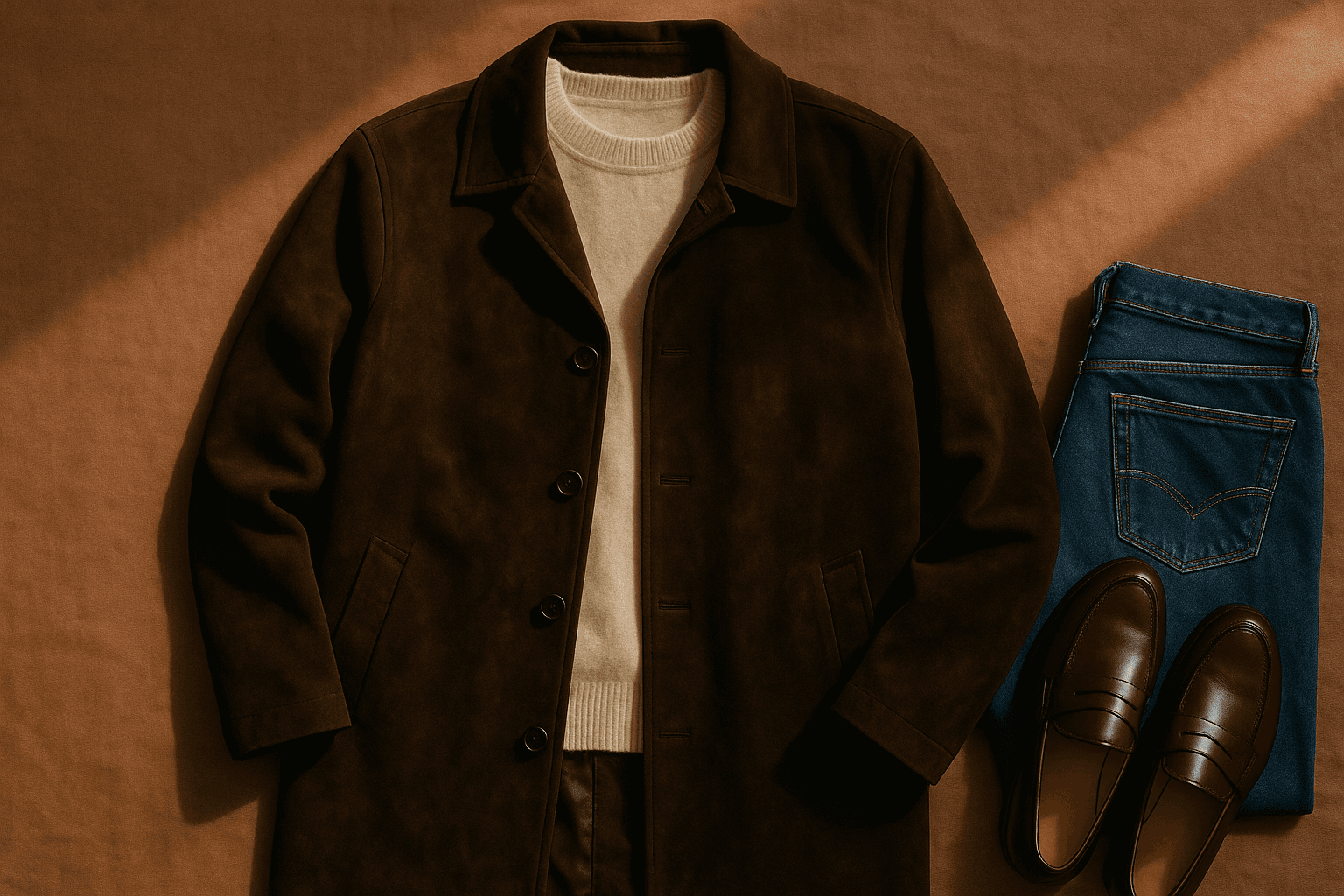
3. Cioccolato / Castagna
Il cioccolato è il più profondo della famiglia dei marroni - ricco, scuro e leggermente freddo. È il neutro scuro più versatile dopo il nero e si legge come più lussuoso del nero nella maggior parte dei contesti. Il camoscio cioccolato funziona in ufficio, in contesti smart-casual e serali.
Ideale per: guardaroba capsule, occasioni formali, sia carnagioni calde che fredde, uso tutto l'anno.
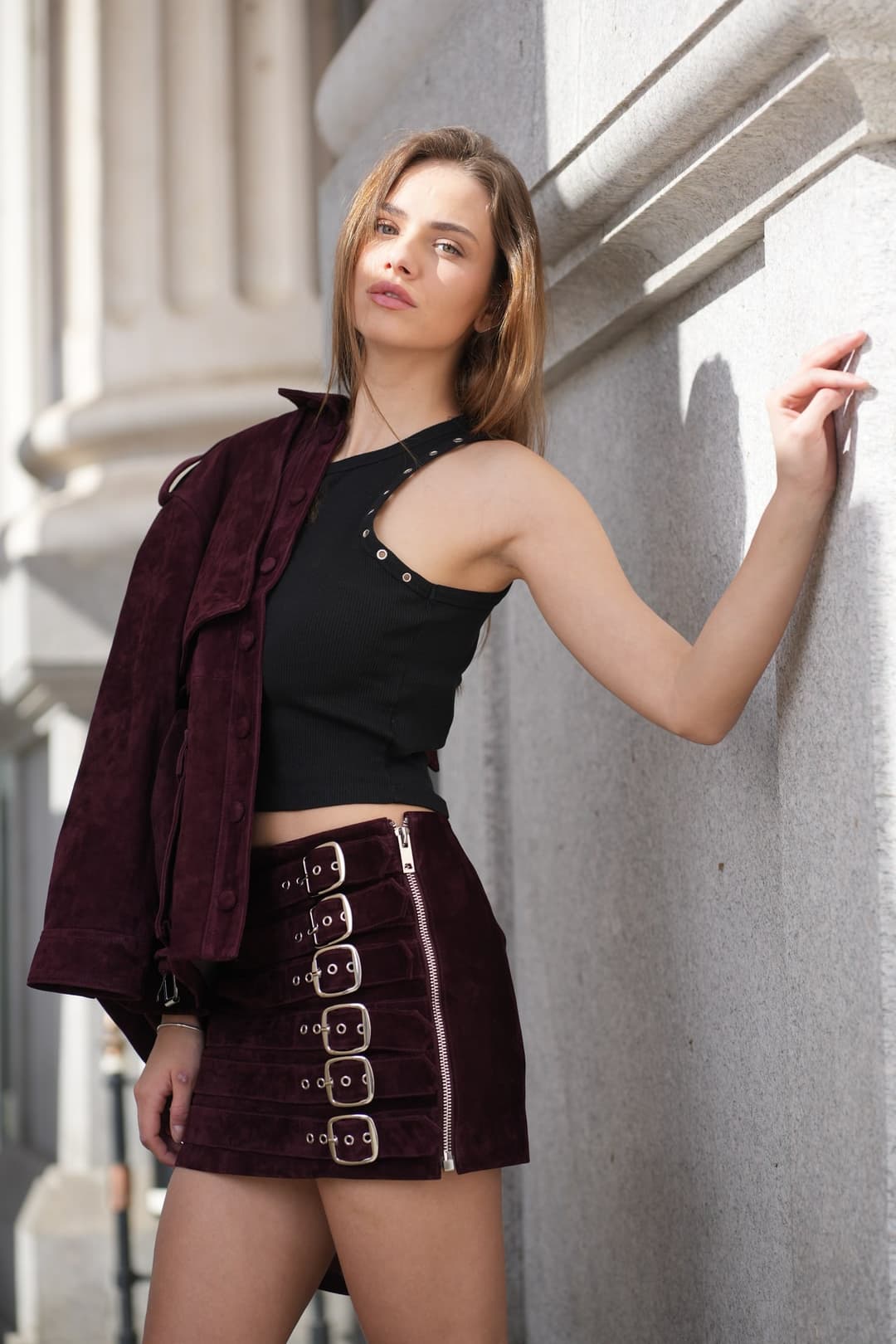
4. Bordeaux / Sangue di bue
Il bordeaux è un rosso vino profondo - sofisticato, autunnale e il colore di camoscio più sottovalutato. Funziona quasi come un neutro nella maggior parte delle palette (si abbina a navy, antracite, crema, cammello e nero) ma aggiunge la profondità che manca a un vero neutro. Il cappotto in camoscio Clémence Bordeaux di Lustré è il colore caratteristico del marchio proprio per questo motivo.
Ideale per: carnagioni più fredde, autunno e inverno, chi possiede molto nero o navy e vuole un pezzo statement che riscaldi.
5. Oliva
L'oliva è grigio-verde - terroso, attenuato e il più moderno tra i colori heritage del camoscio. Si abbina con crema, avorio, marrone, denim e nero. Il camoscio oliva si legge da casual a smart-casual e raramente come formale. Il cappotto in camoscio Clémence Olive di Lustré ancora la palette terrosa del marchio.
Ideale per: carnagioni calde e neutre, guardaroba casual, abbinamenti con denim e avorio, chi è stanco del marrone.
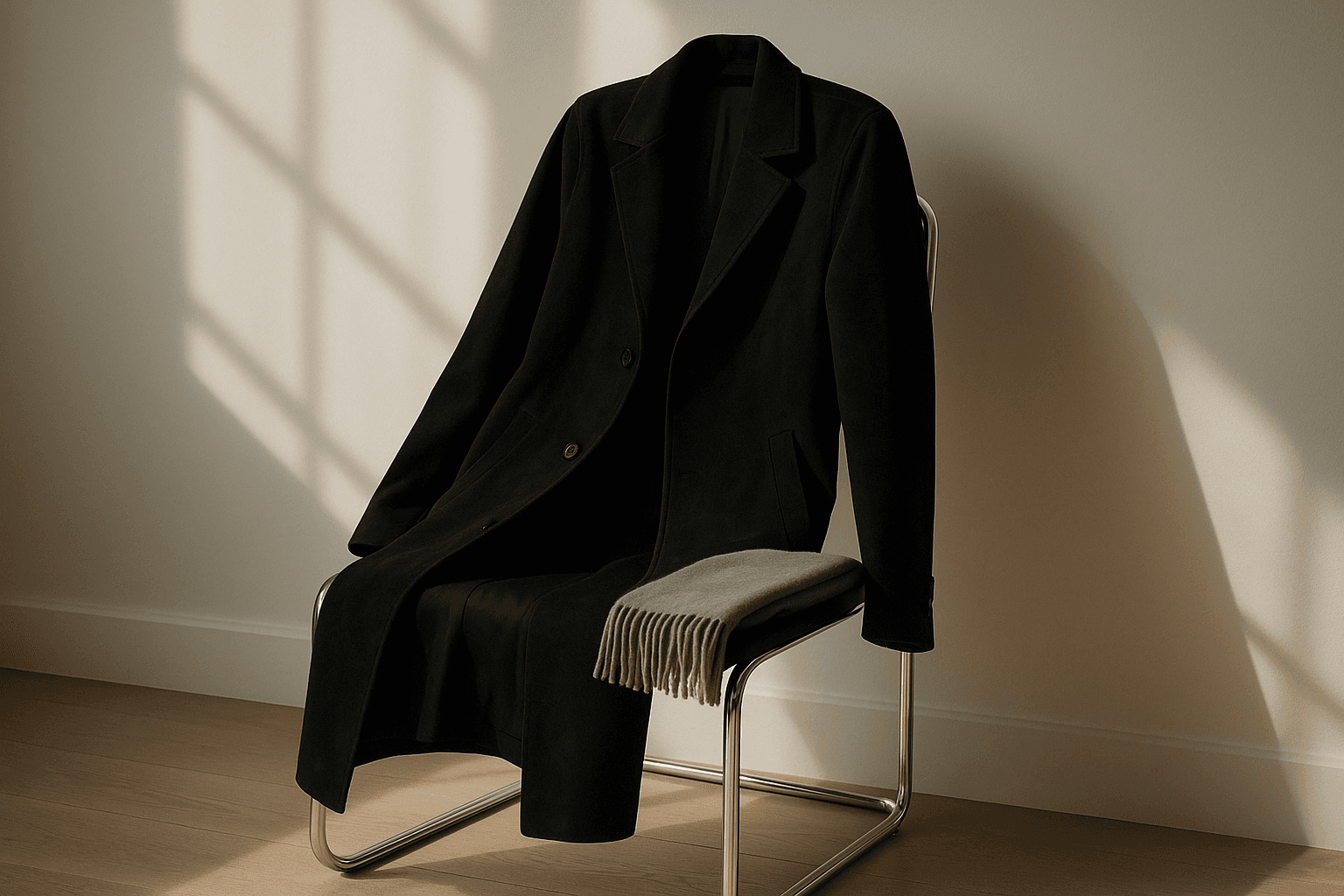
6. Nero
Il camoscio nero è più difficile da realizzare bene rispetto alla pelle nera. Il fiore mostra le tracce d'acqua e la polvere in modo più visibile sul nero che sui colori più chiari, e la texture può apparire piatta sotto luce scarsa. Quando funziona, il camoscio nero è elegante, urbano e silenziosamente lussuoso. Quando non funziona, può apparire opaco.
Ideale per: guardaroba cittadini, sera, chi possiede già camoscio neutro e desidera un pezzo di contrasto.
7. Crema / Bianco sporco
Il camoscio crema è il colore più impegnativo da possedere. Si macchia facilmente, mostra l'usura più velocemente dei colori scuri e richiede cure più frequenti. È anche il colore di camoscio più suggestivo in primavera ed estate e il più fotogenico in contesti editoriali. Trattalo come un pezzo statement anziché come uso quotidiano.
Ideale per: primavera ed estate, occasioni statement, chi è disposto a investire più tempo nella cura.
Abbinare il colore del camoscio al sottotono della pelle
| Sottotono | Migliori colori di camoscio | Da evitare |
|---|---|---|
| Caldo (dorato, pesca, oliva) | Cammello, cognac, castagna, oliva, crema | Grigi freddi, neri con tono blu |
| Freddo (rosa, rosato) | Bordeaux, cioccolato, grigio antracite, nero puro | Cammello dal tono giallo, cognac dal tono arancio |
| Neutro (mix di entrambi) | Quasi qualsiasi colore - il cioccolato è il più sicuro | Nessuno - i sottotoni neutri tollerano la maggior parte dei colori |
Come invecchia ciascun colore
- Cammello: si schiarisce leggermente nei punti ad alto attrito (polsini, risvolti) nel corso degli anni. Sviluppa una patina morbida e vissuta che la maggior parte dei proprietari preferisce all'originale.
- Cognac: si scurisce nei punti di contatto con le mani (patta frontale, bordi delle tasche) e sviluppa la patina più desiderabile di qualsiasi colore di camoscio.
- Cioccolato: invecchia nel modo più uniforme. Leggero schiarimento nei punti di attrito ma nessuno spostamento di colore importante. Il colore più stabile nel tempo.
- Bordeaux: si approfondisce leggermente con l'esposizione al sole - i toni del vino si intensificano anziché sbiadire. Evita la luce solare diretta prolungata per prevenire scurimenti irregolari.
- Oliva: il più incline al cambio di colore - può virare verso più grigio o più verde nel corso degli anni a seconda dell'esposizione alla luce.
- Nero: mostra tracce d'acqua e lucentezza nei punti di attrito. Necessita di una spazzolatura più frequente per mantenere una finitura uniforme.
- Crema: sviluppa un morbido tono caldo nel corso degli anni anche con cure. Le macchie permanenti sono più visibili che su qualsiasi altro colore.
Per il ruolo del metodo di concia nella profondità del colore e nell'invecchiamento, vedi cappotti in camoscio a concia vegetale.
Domande frequenti
- Qual è il colore di cappotto in camoscio più versatile?
Marrone cioccolato, seguito da vicino dal cammello. Entrambi funzionano come neutri, entrambi si abbinano alla più ampia gamma di colori ed entrambi funzionano in tutte le stagioni e occasioni. Se acquisti il primo cappotto in camoscio, il cioccolato è la scelta a minor rischio.
- Il camoscio bordeaux è un neutro?
Funzionalmente sì. Il bordeaux si abbina agli stessi colori di un neutro (navy, antracite, crema, cammello, nero) ma aggiunge profondità. In un contesto di guardaroba si comporta più come un neutro che come un vero colore.
- Posso indossare un cappotto in camoscio nero con pantaloni neri?
Sì, ma la texture del camoscio deve essere visibilmente diversa dal tessuto dei pantaloni perché il look si legga come intenzionale. Il camoscio nero su pantaloni in lana neri funziona meravigliosamente perché le texture contrastano. Il camoscio nero su denim nero funziona meno bene perché le superfici sono troppo simili.
- Il colore del camoscio influisce sul calore?
Leggermente. I colori più scuri assorbono più calore solare al sole invernale, il che può rendere un cappotto in camoscio cioccolato o nero marginalmente più caldo all'aperto rispetto a uno cammello. Al chiuso la differenza è trascurabile.
- Quale colore di cappotto in camoscio si fotografa meglio?
Cammello e cognac. Entrambi riflettono la luce in modo uniforme, mostrano chiaramente la texture e funzionano nella maggior parte delle condizioni di illuminazione. Nero e cioccolato richiedono una forte luce direzionale per mostrare la texture del camoscio; il crema necessita di un'esposizione attenta per evitare di bruciare.
I colori del camoscio nella palette italiana
La palette italiana del camoscio si è formata nel tempo intorno ai colori della nostra terra. Il cammello, ispirato ai paesaggi della Toscana e dell'Umbria, resta il più amato. Il moka richiama la terra appena arata della campagna emiliana. Il bordeaux evoca i vini delle Langhe. Il verde oliva ricorda gli ulivi pugliesi. Ogni colore racconta una geografia, e indossarlo significa portare con sé un pezzo di Italia.
Per le scelte più contemporanee, i designer italiani hanno introdotto tonalità più sofisticate. Il grigio talpa, perfetto per il guardaroba minimal milanese. Il terra di Siena, omaggio alla tradizione pittorica fiorentina. Il sabbia chiaro, ispirato alle spiagge della Sardegna. Sono tutte sfumature che dialogano facilmente con il resto del guardaroba senza imporsi.
Scopri la collezione
Ogni capo è realizzato in camoscio 100 % autentico, pensato per durare anni, non una stagione.
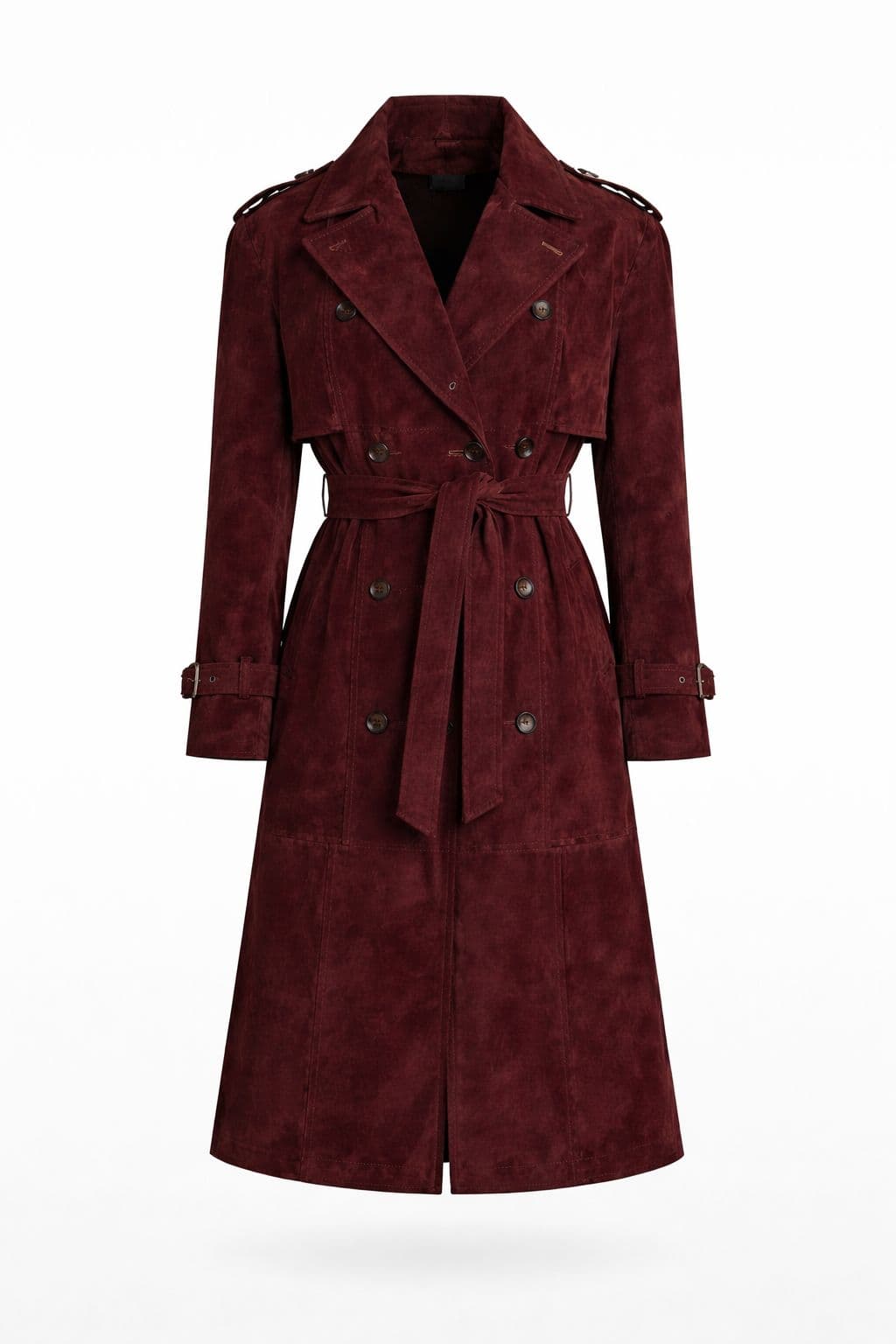
Clémence Bordeaux Suede Coat - 100% Genuine Premium Suede
840 €
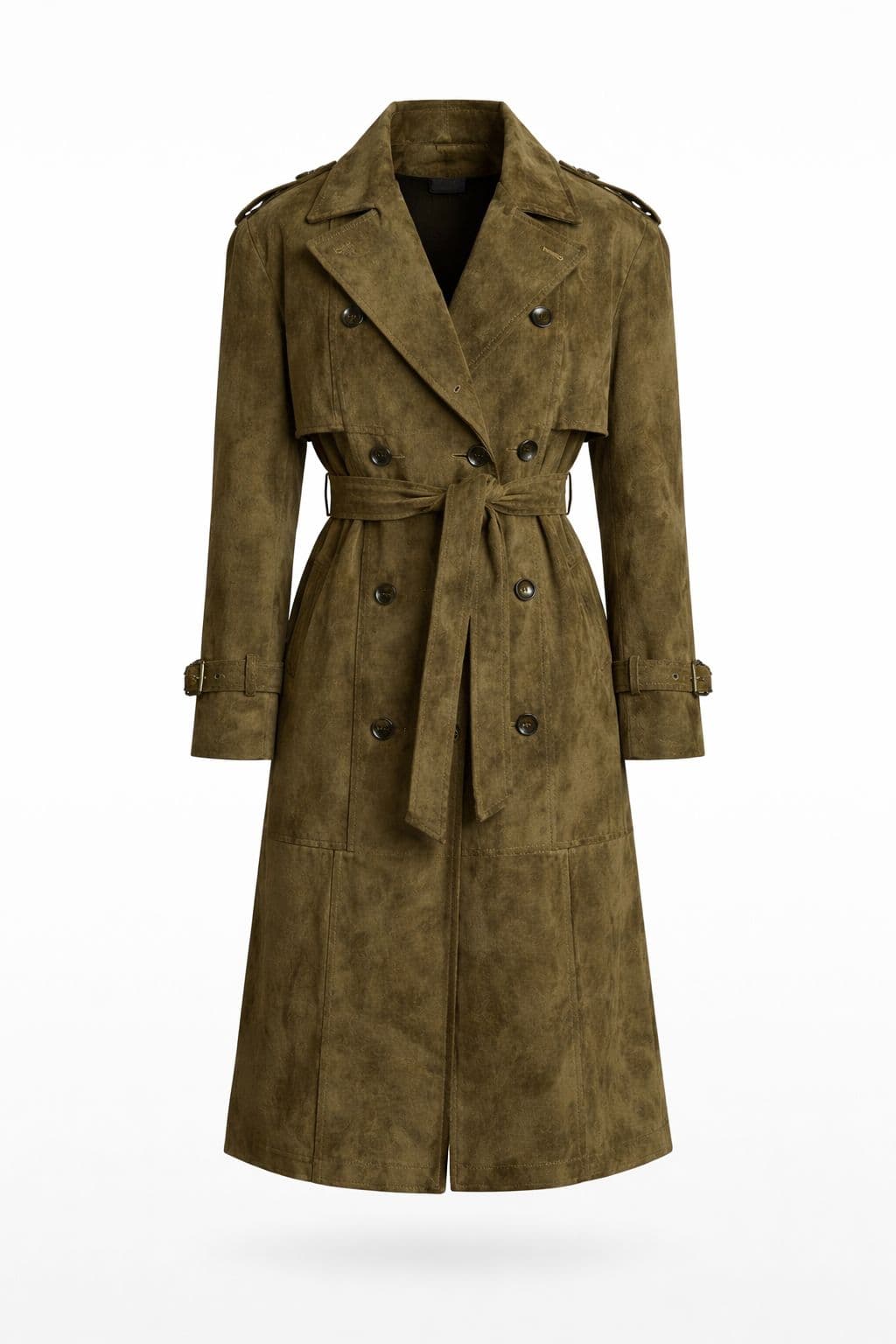
Clémence Olive Suede Coat - 100% Genuine Premium Suede
840 €
Spedizione gratuita per ordini superiori a 300 €.