Goatskin vs Cowhide Suede: Which Is Right for a Coat or Jacket?
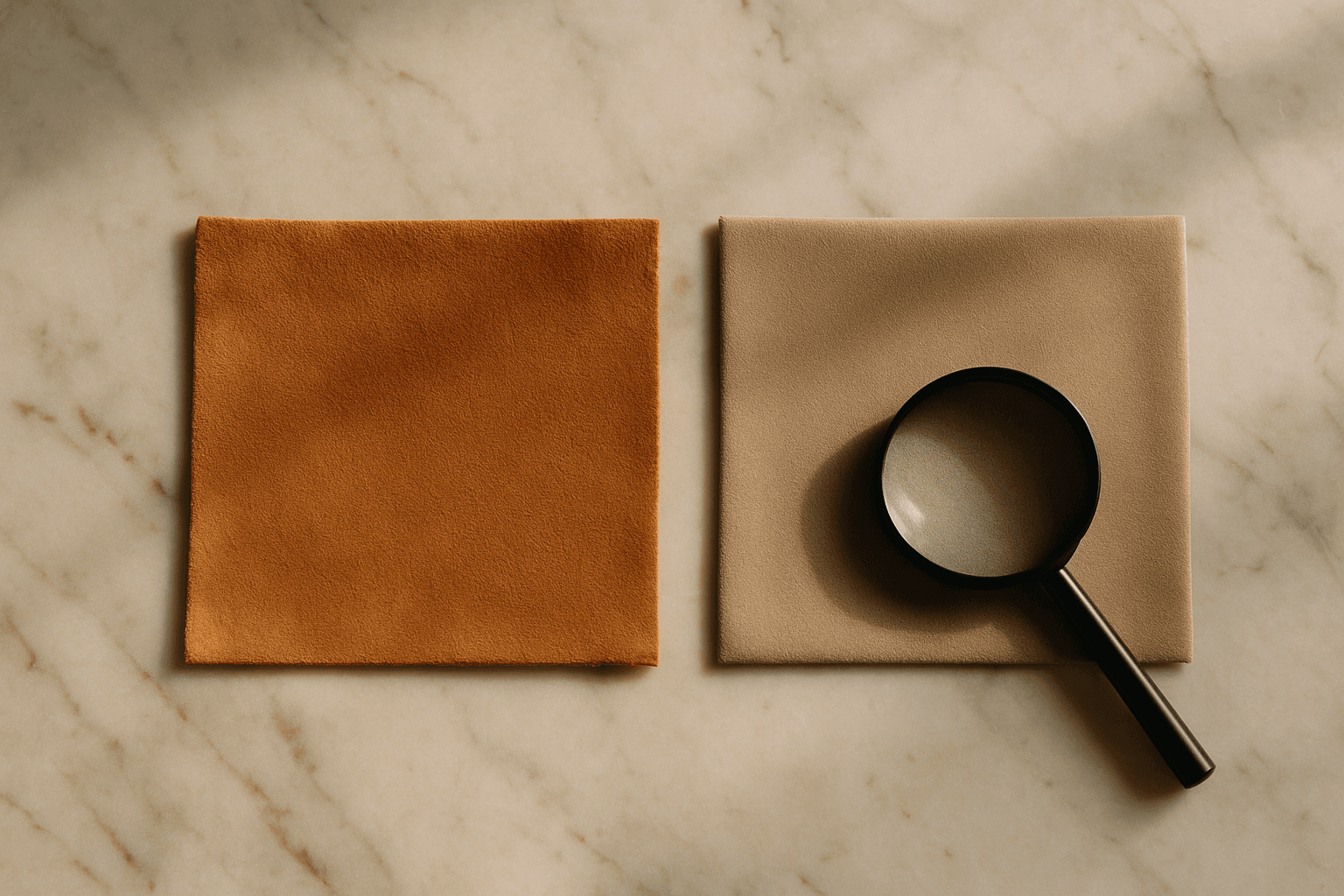
Goatskin and cowhide are the two most common suede sources for outerwear. They feel different, drape differently, and age differently. Knowing which is right for you depends on whether you want a soft, fluid suede coat or a structured, heavyweight one.
Goatskin Suede: Soft, Light, and Drapey
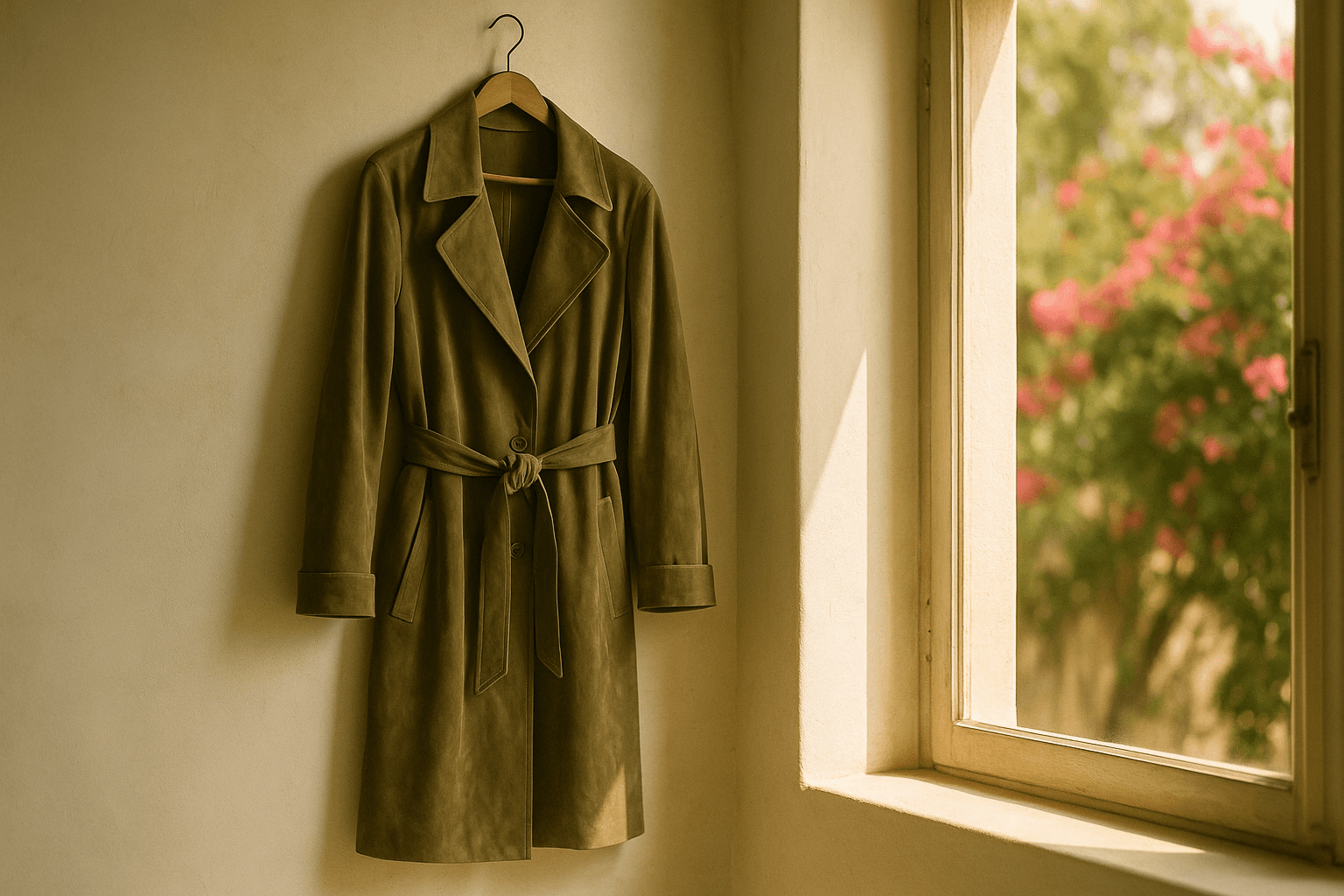
Goatskin is the lighter, softer option. The fibres are finer and more flexible, which gives goatskin suede a noticeably softer hand and better drape. It is the suede of choice for tailored coats, blazers, and jackets where the suede needs to follow the body rather than stand off it.
- Weight: 0.6 to 0.9 mm typical for outerwear.
- Drape: excellent. Falls naturally with body shape.
- Hand: very soft, almost suede-velvet feel.
- Common use: tailored coats, jackets, dresses, skirts.
- Ageing: develops a soft patina over 2 to 5 years.
- Price: typically higher than cowhide for the same garment construction.
Cowhide Suede: Structured and Hard-Wearing
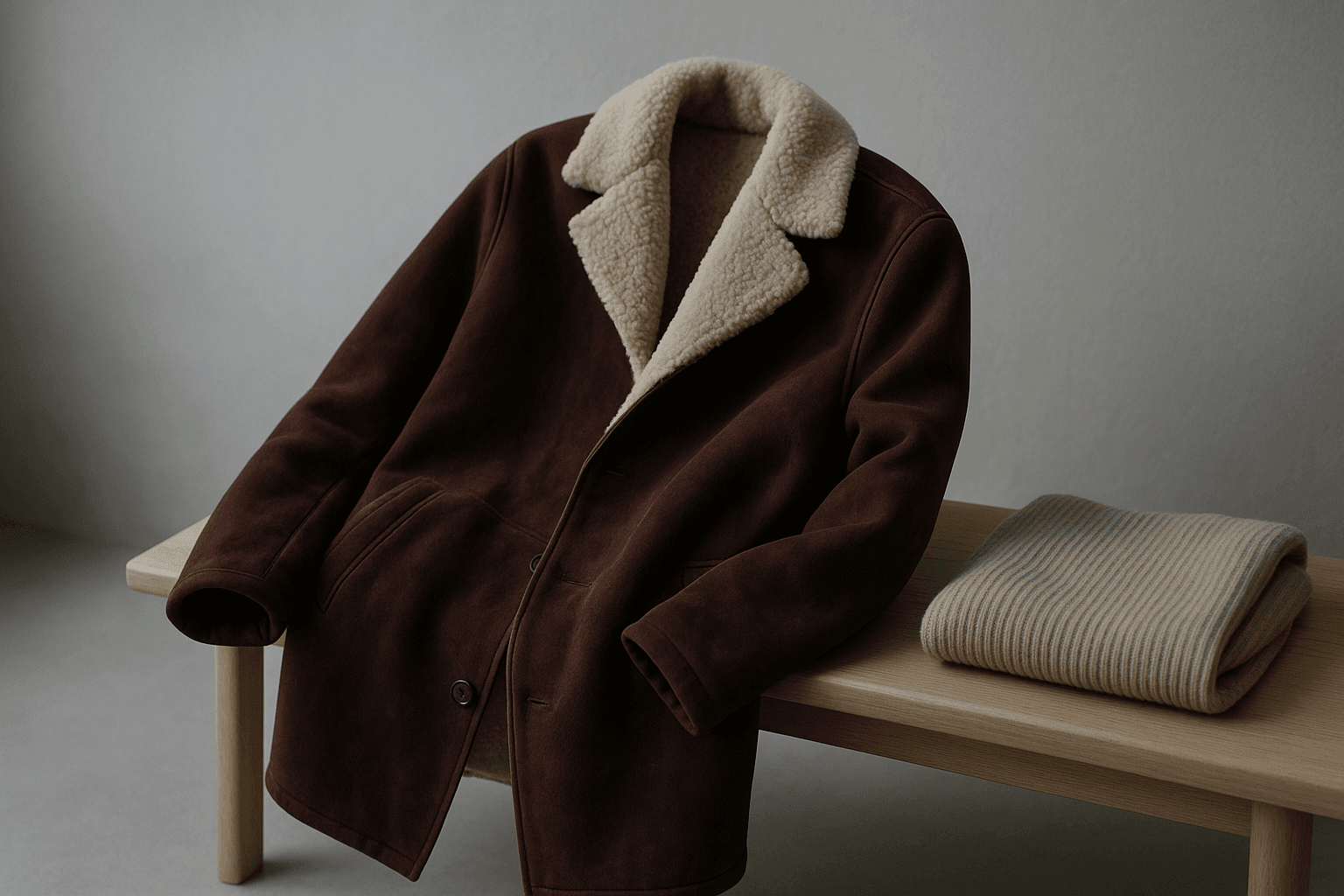
Cowhide is the workhorse. The fibres are coarser and heavier, which gives cowhide suede more structure and abrasion resistance. It is the right choice for heavy outerwear, bags, and pieces that need to maintain their shape rather than drape.
- Weight: 1.0 to 1.4 mm typical for outerwear.
- Drape: holds shape, structured.
- Hand: firmer than goatskin, with a more pronounced grain.
- Common use: trench coats, biker jackets, bags, weekend boots.
- Ageing: develops deeper character over 5 to 10 years, more visible patina.
- Price: more accessible than goatskin, especially for thicker pieces.
Side-by-Side: Which Is Right for You
| Use case | Goatskin | Cowhide |
|---|---|---|
| Tailored coat with drape | Better fit | Too stiff |
| Trench coat with structure | Underweight | Better hold |
| Short jacket, fluid silhouette | Better drape | Boxier feel |
| Biker jacket, structured | Too soft | Better |
| Skirt | Better drape | Heavy for daily wear |
| Bag | Soft slouch | Holds shape |
| Cold climate (heavy outer layer) | Lightweight | Better insulation |
| Mild climate (transitional layer) | Better | Too warm |
Lambskin: A Third Option
Lambskin suede is even softer and lighter than goatskin, with a slightly more delicate hand. It is luxurious for short jackets and dresses but less durable for daily wear. Most luxury suede coats use either goatskin (for soft tailored fit) or cowhide (for structured outerwear). Lambskin is reserved for premium short jackets and accessories.
What Lustré Uses
Lustré coats and jackets are made from 100% genuine goatskin suede. The choice is deliberate: goatskin offers the softest hand and most flattering drape for tailored coats, with sufficient weight to keep the silhouette intentional. The Clémence (840 g per square metre) and Violette (730 g per square metre) jackets both use premium European goatskin.
Frequently Asked Questions
- Is goatskin suede better than cowhide?
Better is the wrong word. Goatskin is more refined for tailored garments, cowhide is more durable for structured pieces. They are different tools for different jobs.
- Which lasts longer, goatskin or cowhide suede?
Cowhide is more abrasion-resistant per square centimetre, but well-made goatskin coats last 10 to 15 years with care. The longevity depends more on construction and care than on hide source.
- How can I tell which hide my coat is made from?
The label should state the hide source. If it says only 'genuine leather' without specifying, ask the brand. Legitimate luxury makers disclose hide source openly.
Shop the Collection
Every piece is cut from 100% genuine suede and made to be worn for years, not seasons.
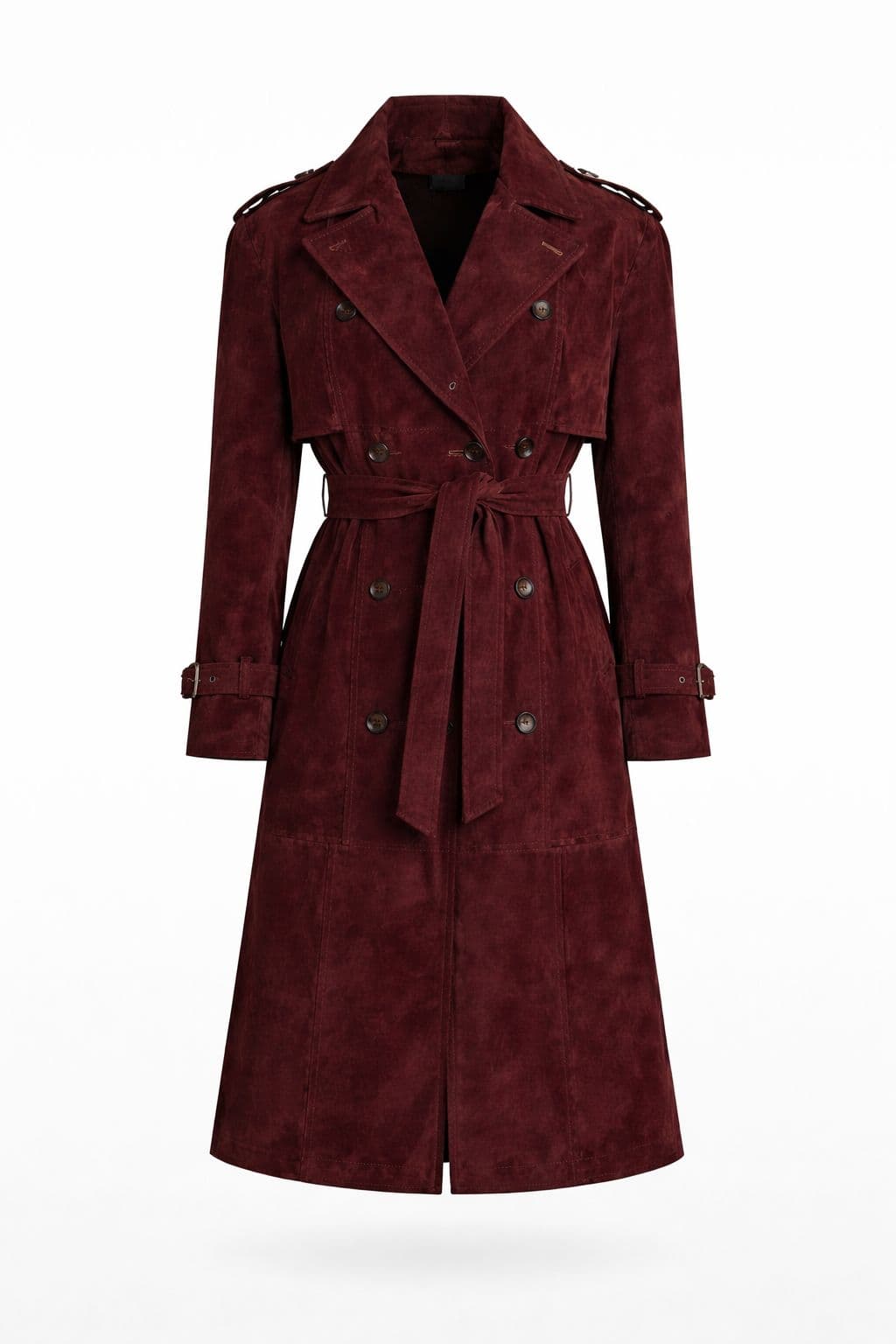
Clémence Bordeaux Suede Coat - 100% Genuine Premium Suede
$920
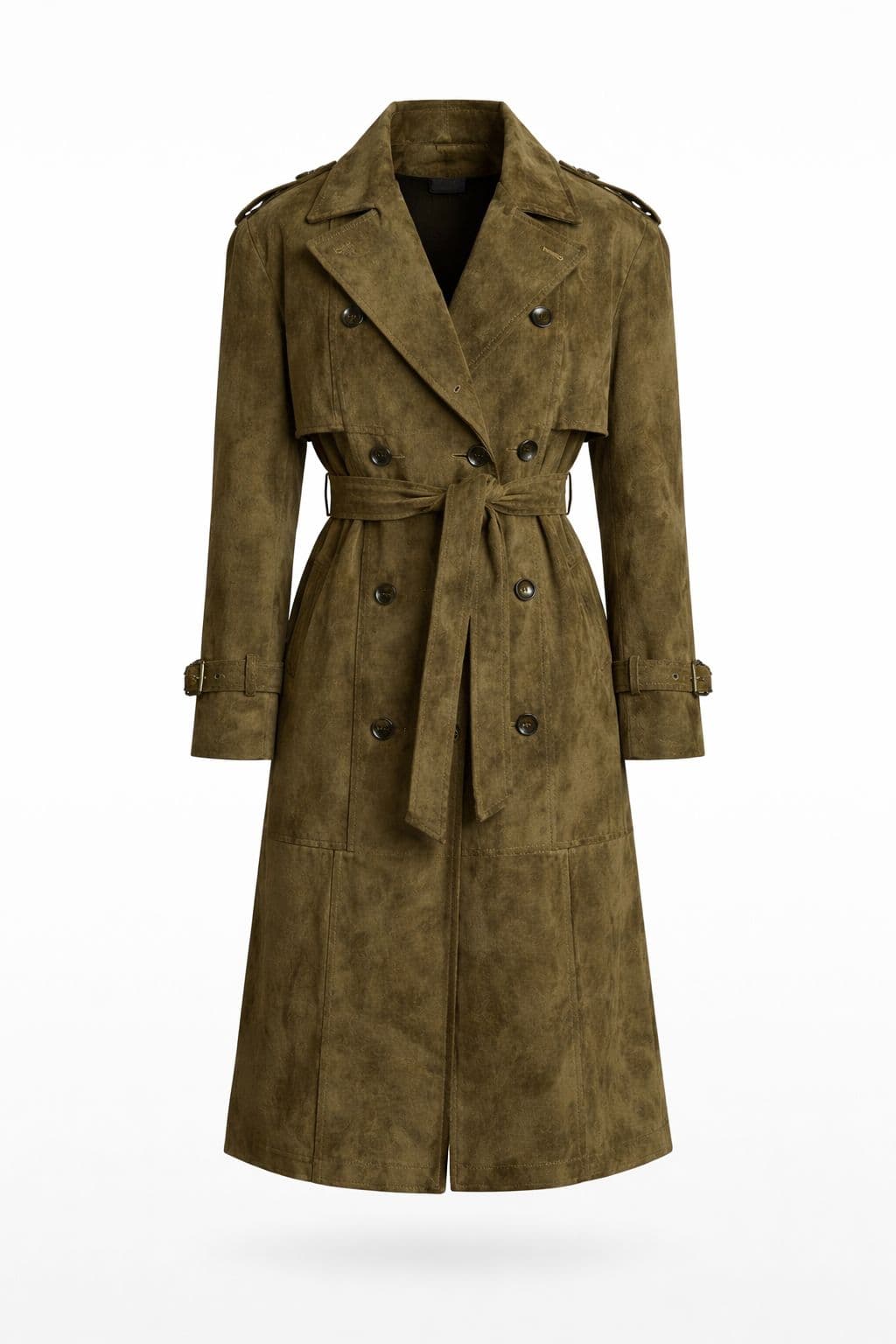
Clémence Olive Suede Coat - 100% Genuine Premium Suede
$920
Free shipping on orders above $330.